
23-05-2026 11:44
 Charles Grapinet
Hello, I am having trouble identifying this copro
25-05-2026 16:44
François BartholomeeusenHi forum members,During an excursion organised by
25-05-2026 16:35
 Bernard CLESSE
Bonjour à toutes et tous,J'ai trouvé récemment,
22-05-2026 13:29
Gernot FriebesHi,I am curious to hear your opinion on this mater
23-05-2026 18:57
Sylvie Le GoffBonjour à tousRécolté sur une branchette de Sal
22-05-2026 14:44
 Lothar Krieglsteiner
in unripe condition citrine yellow, then soon fadi
22-05-2026 21:35
Steve ClementsBonjour, I expected this find on old wood on our
22-05-2026 18:12
Lothar Krieglsteiner
... in moist chamber from Portugal.As the fungus s
22-05-2026 20:08
Ethan CrensonHello all, Yesterday in NYC I was visiting an e
On hornbeam in the Caucasus (Georgia)
Alex Akulov,
30-05-2010 20:40
 Dear friends
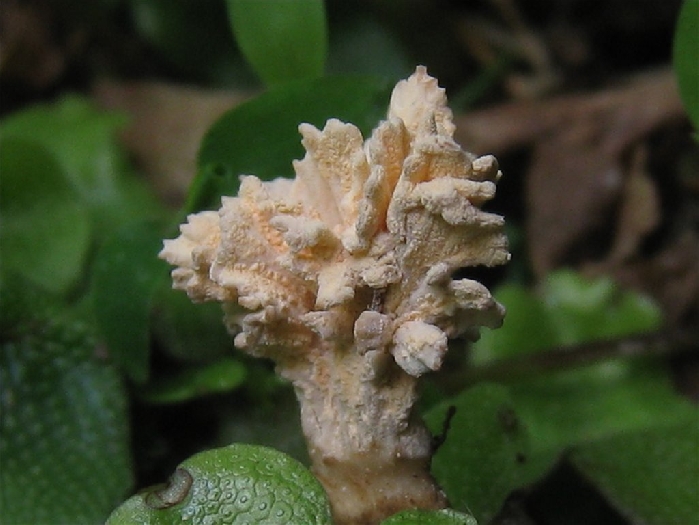
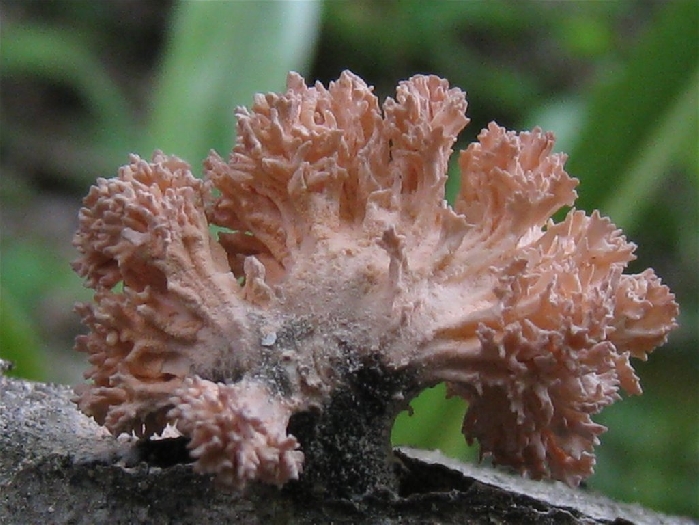
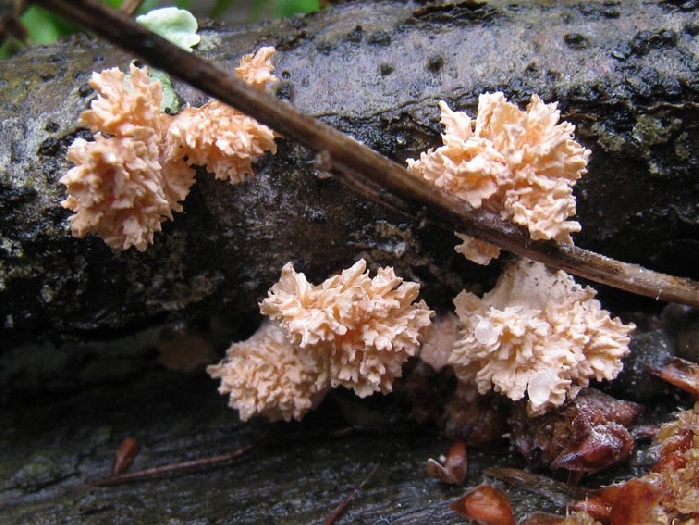
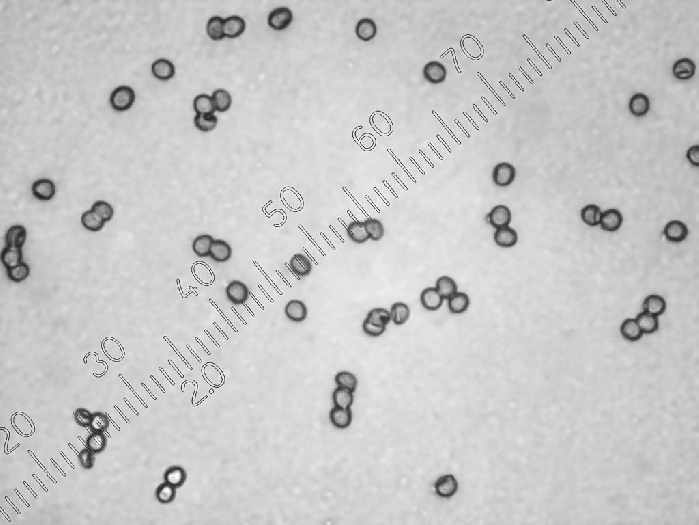
Today my colleagues from Russia have sent photos of a mysterious fungus found on the branches of hornbeam in the Caucasus. Photos put me in a deadlock state. My first thought was that it was representative of the Basidiomycota (Ramaria, Clavulina…), but spores are pushing the idea that it is representative of the Anamorphic Ascomycota (Clavicepitales, Xylariales, ???).
Please tell your assumptions, whatever it might be.
Thank you before,
Alex.
Alex Akulov,
30-05-2010 20:46
Re:On hornbeam in the Caucasus (Georgia)
more photo
Alex Akulov,
30-05-2010 20:47
Re:On hornbeam in the Caucasus (Georgia)
more photo
Alex Akulov,
30-05-2010 20:47
Re:On hornbeam in the Caucasus (Georgia)
more photo
Jacky Launoy,
30-05-2010 21:03
Re:On hornbeam in the Caucasus (Georgia)
It seems to be Paecilomyces farinosus (Holm ex Gray) Brown & Smith
Christian Lechat,
30-05-2010 21:08

Re:On hornbeam in the Caucasus (Georgia)
Hi, Alex,
I think that is an asexual state of Xylaria
Christian
I think that is an asexual state of Xylaria
Christian
Renée Lebeuf,
30-05-2010 22:06
Re:On hornbeam in the Caucasus (Georgia)
This looks to me like Xylocoremium flabelliforme (Schw.: Fr.) J.D. Rogers. The description I have says it is the asexual reproductive stage of Xylaria cubensis. It was found last year in Quebec.
Renée Lebeuf
Renée Lebeuf
Jacques Fournier,
30-05-2010 22:11

Re:On hornbeam in the Caucasus (Georgia)
Hi Alex,
indeed it looks like a Xylocoremium state of a Xylaria of the X. cubensis group. Typically, the conidiophores are arranged in tight palisades anf yield ellipsoid conidia 4-6 x 2-3 µm, unlike the globose conidia on the photo. You should make a squash mount of a piece of a branch in a drop of KOH to see the conidiophores.
Tell your colleagues to keep an eye on branches in the collection site, the teleomorph occurs separately from the anamorph, some weeks later.
Otherwise I have no idea.
Cheers,
Jacques
indeed it looks like a Xylocoremium state of a Xylaria of the X. cubensis group. Typically, the conidiophores are arranged in tight palisades anf yield ellipsoid conidia 4-6 x 2-3 µm, unlike the globose conidia on the photo. You should make a squash mount of a piece of a branch in a drop of KOH to see the conidiophores.
Tell your colleagues to keep an eye on branches in the collection site, the teleomorph occurs separately from the anamorph, some weeks later.
Otherwise I have no idea.
Cheers,
Jacques
Alex Akulov,
30-05-2010 22:37
Re:On hornbeam in the Caucasus (Georgia)
Thank you all for your help!
Alex
Alex