12-06-2026 14:50
 François Freléchoux
Bonjour, Voici la brève description d'une Mollis
10-06-2026 21:16
François Freléchoux
Bonsoir,Le dernier du jour, en attendant votre avi
11-06-2026 19:01
 William Slosse
Hello all,In an attempt to make a culture of a sus
11-06-2026 19:03
 Nicolas VAN VOOREN
Chers membres d'Ascofrance,Le site sera placé en

09-06-2026 18:32
Camille MertensSur morceau de roseau immergé 0,5 - 0,7 mm de dia
10-06-2026 12:54
Steve ClementsBonjour encore, Pouvez-vous m'aider, s'il vous pl
10-06-2026 21:07
François Freléchoux
Toutes les tiges de gentianes jaunes de l'an passÃ
10-06-2026 13:41
François Freléchoux
Bonjour à nouveau, Voici une trouvaille d'hier.
Can anyone help me with this:
On the inside of the bark of Salix .
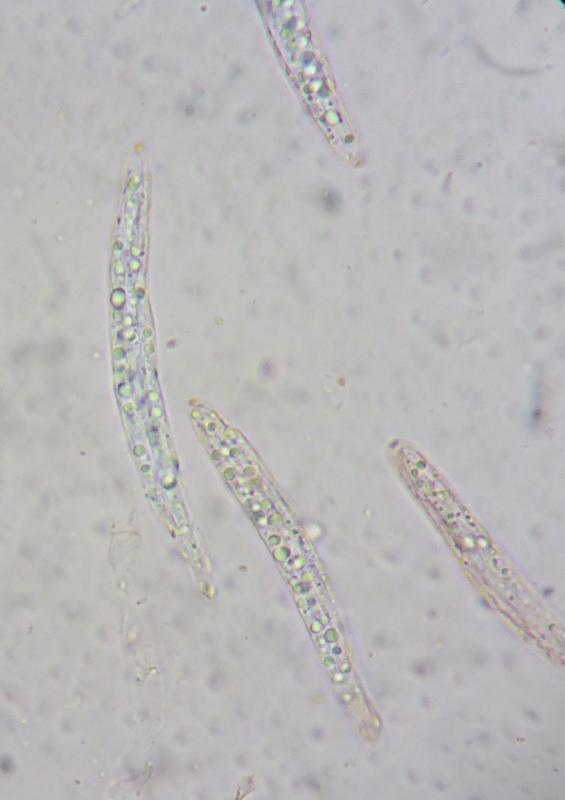
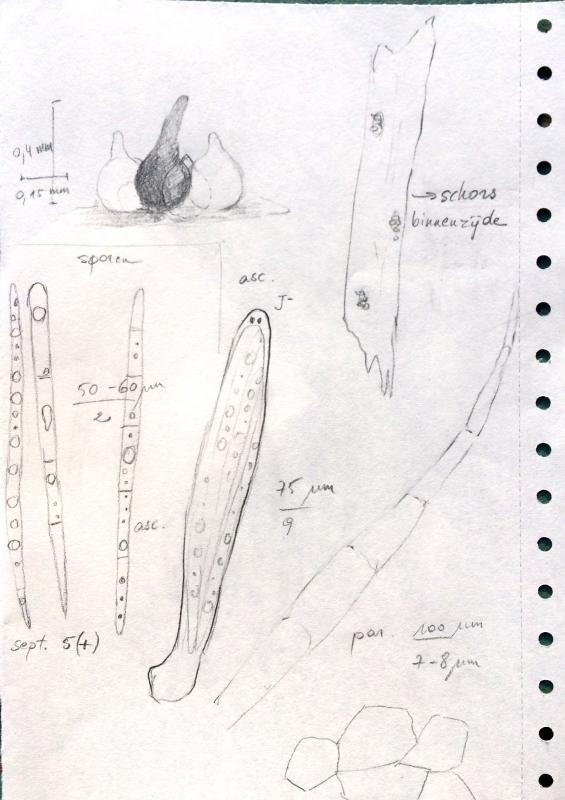
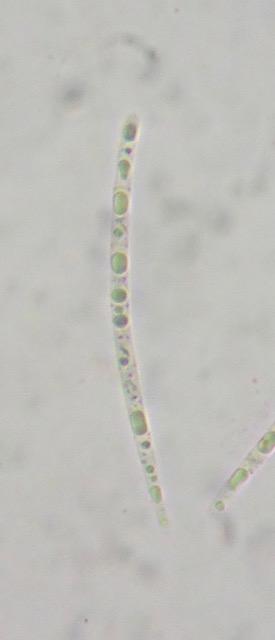
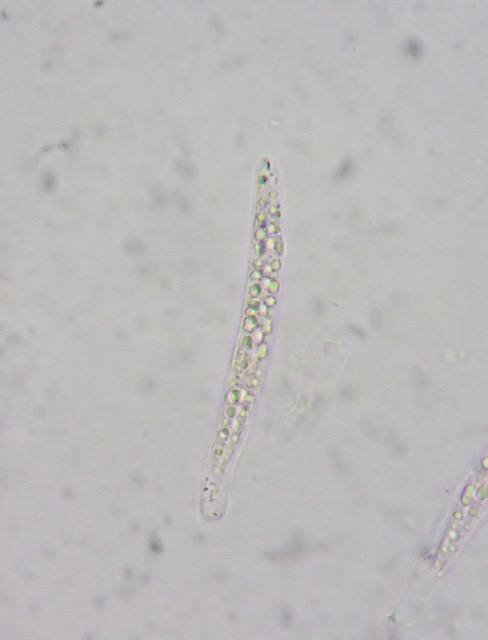
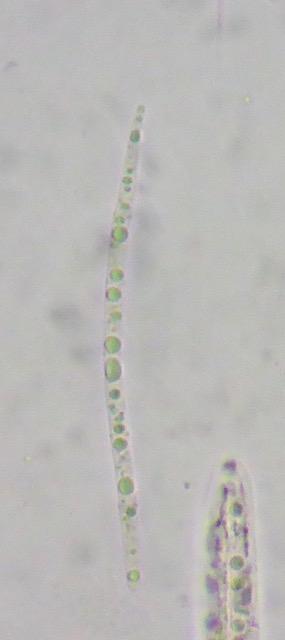
Perithecia soft black sphaerical with short necks. 0,15 mm wide, superficial, closely packed in groups of 5-6, several of these groups 3-4 cm apart. Ascospores hyaline, 50-60*2 µm, with high oil content, becoming at least 5-septate , maybe more. Asci 75*9 µm, IKL negative. Paraphyses: 100*7-8 µm, septate. No anamorf to be found.
Thank you,
Greet
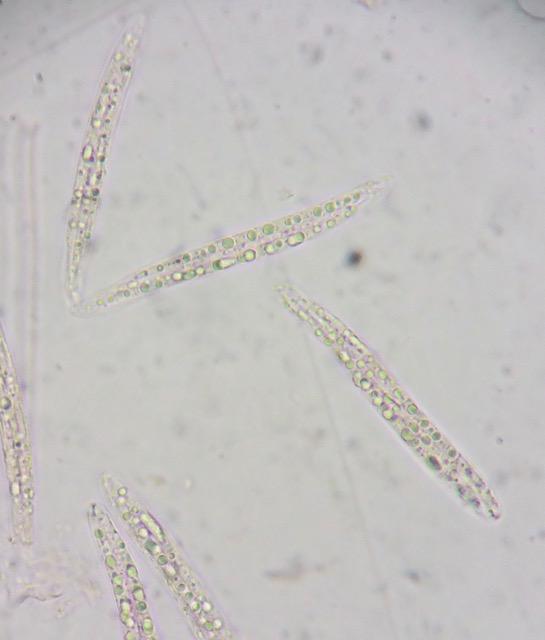
Interesting collection. Are the perithecia stromatic? If so, you could consider the genus Sillia, e.g. S. ferruginea, which is described in Munk 1957 (another reference, see tab "Artikelen" at https://www.verspreidingsatlas.nl/1147010#). A generic description is given in sleutel (key) A9: see
http://www.mycologen.nl/Ascosleutel/downloads/SleutelA13_v3-1.pdf
Eduard

I suggest you consider the genus Ophioceras, primarily known from aquatic habitats but including some terrestrial species. The apical apparatus of asci is indeed J- but stains with blue ink or Congo red.
A good, if not comprehensive account was given by Shearer et al., Mycologia 91: 145-156. Should be available on Cyberliber.
good luck,
Jacques
Thanks for your advice and help,
@Eduard: I started out in the first place with the key you suggested (great key) and couldn't find a match.There is no stroma, only a dark patch surrounding the peritecia, this being wood stained black.
@Jacques: I made a new picture where I stained the asci with Congo-red. The coloring isn't much but I think it could be considered as a positive reaction. I read the article you suggested but couldn't find a species that matches my measurements. So it'll stay a Ophioceras sp.
Thanks,
Greet