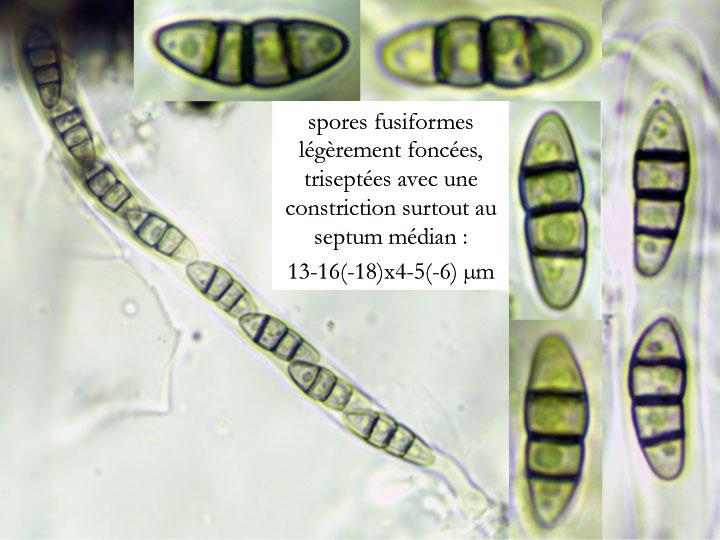
26-02-2021 15:20
tambien esta me parece que ya la he visto, pero
26-02-2021 14:21
Recolectada en pasado mertes en caña de gramineaC
24-02-2021 21:56
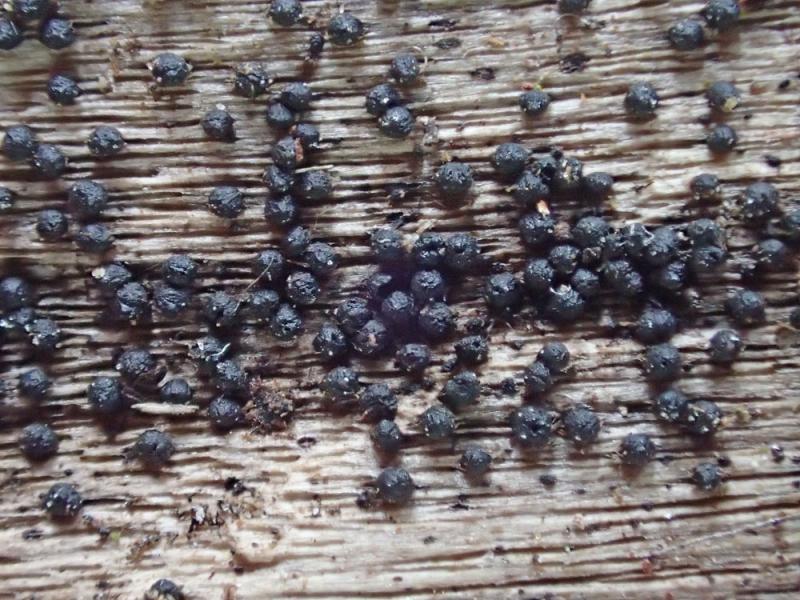
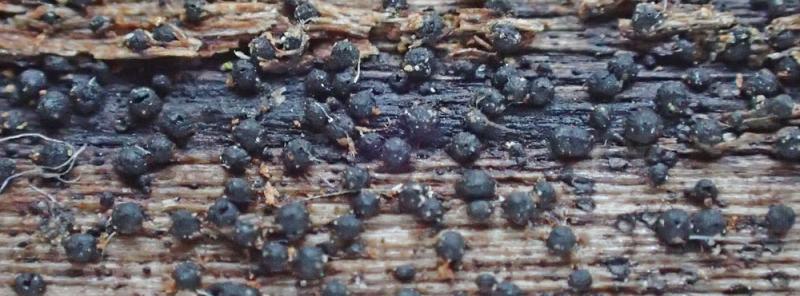
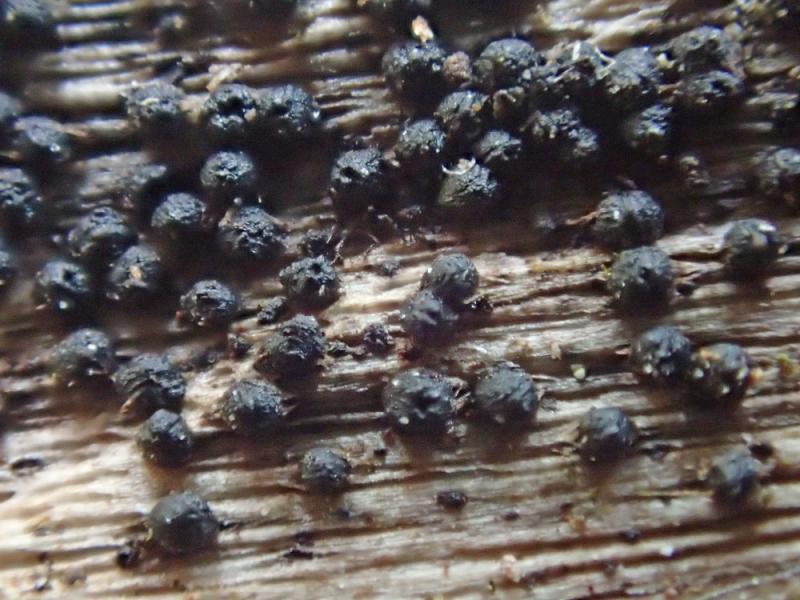
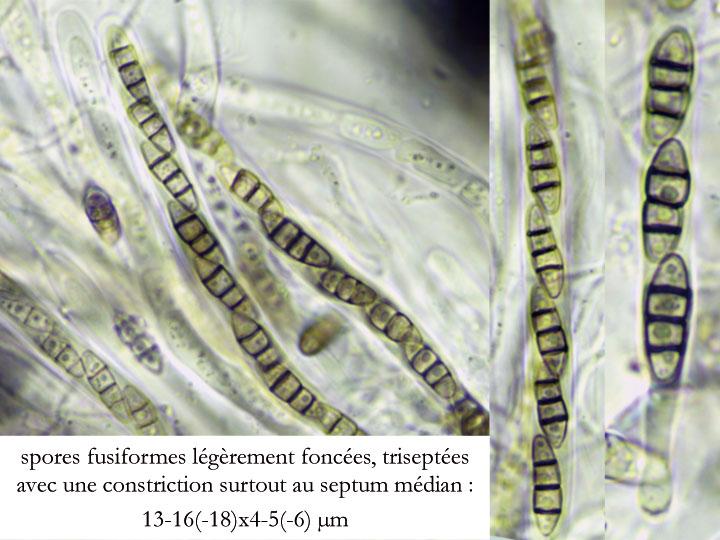
jean claude chasleBonjour,Récoltées sur résidus de taille, pourri
24-02-2021 15:57
Riet van Oosten
Hello, Found 20-02-2021 on dead stem of Verbascum
24-02-2021 12:21
Pauline. PennaHello everyone I have found these sclerotia on Cy
10-02-2021 20:52
On Pseudotsuga bark colonised by abundant lichens
22-02-2021 19:37
William de JongHi,I found small perithecia on a dead attached bra
19-02-2021 20:07
These small, white, gregarious, broadly sessile ap
Peziza
Castillo Joseba,
25-02-2021 11:37
No tienen latex
Pienso en Peziza vadia ?
A ver que os parece
Saludos
Joseba
Castillo Joseba,
28-02-2021 08:46
Re : Peziza
No hay ninguna sugerencia?
Mirek Gryc,
28-02-2021 09:07
Lothar Krieglsteiner,
28-02-2021 09:07
Re : Peziza
You made your suggestion yourself. P. varia should be correct, at least today, as names like repanda and micropus habe become synonyms.
Best regards, Lothar
Mirek Gryc,
28-02-2021 09:53
Re : Peziza
Hi Lothar
I also think P. varia is very likely, but more data is needed to be sure.
I have P. arvernensis quite often this time of year which is very similar to P. varia. Based on Joseb's data, this species cannot be ruled out as well.
In addition to the textures, careful observation of the spores in the water could help. P. arvernensis spores contain polarized tiny multigutates. They are sometimes very hard to notice, but this feature allows me to distinguish young P. arvernensis (spores without ornamentation yet) from P. varia.
greetings
Mirek
I also think P. varia is very likely, but more data is needed to be sure.
I have P. arvernensis quite often this time of year which is very similar to P. varia. Based on Joseb's data, this species cannot be ruled out as well.
In addition to the textures, careful observation of the spores in the water could help. P. arvernensis spores contain polarized tiny multigutates. They are sometimes very hard to notice, but this feature allows me to distinguish young P. arvernensis (spores without ornamentation yet) from P. varia.
greetings
Mirek
Castillo Joseba,
28-02-2021 09:56
Re : Peziza
Muchas gracias Lothar y Mirek, me habeis ayudado mucho, hare un pocomas de micro
Saludos
Joseba
Saludos
Joseba
Lothar Krieglsteiner,
28-02-2021 09:57
Re : Peziza
Hi Mirek,
thanks fo the hint concerning the spores of varia and arvernensis. I will try to look at this feature in future.
Josebas fungus looks quite ripe in my opinion. So if it is arvernensis, the ornamented spores should already be observable (?). But you are right with your doubt.
Best regards, Lothar
thanks fo the hint concerning the spores of varia and arvernensis. I will try to look at this feature in future.
Josebas fungus looks quite ripe in my opinion. So if it is arvernensis, the ornamented spores should already be observable (?). But you are right with your doubt.
Best regards, Lothar
Mirek Gryc,
28-02-2021 11:02
Re : Peziza
I do not know about Spain, but in my case five-centimeter Peziza varia and arvernensis are very often immature. We have a completely different atmosphere. This year, in my forests, there is still almost half a meter of snow. Such a thick layer of snow also has its advantages. Under such a thick layer, spring asco, which grows on the litter, develops very well.
Spring, however, is already beginning to reach me, maybe soon I will go out into the field
Mirek
Spring, however, is already beginning to reach me, maybe soon I will go out into the field
Mirek