
28-05-2026 16:15
James MitchellHello,Does anyone have the original publication of
28-05-2026 11:06
Thomas Læssøehttps://svampe.databasen.org/observations/10596750
23-05-2026 11:44
 Charles Grapinet
Hello, I am having trouble identifying this copro
25-05-2026 16:44
François BartholomeeusenHi forum members,During an excursion organised by
26-05-2026 21:25
Dirk GerstnerHello everyone, I'm completely stumped by this li
26-05-2026 22:44
Ethan CrensonHi all, I think I have Incrucipulum capitatum her
22-05-2026 14:44
 Lothar Krieglsteiner
in unripe condition citrine yellow, then soon fadi
25-05-2026 16:35
 Bernard CLESSE
Bonjour à toutes et tous,J'ai trouvé récemment,
22-05-2026 13:29
Gernot FriebesHi,I am curious to hear your opinion on this mater
23-05-2026 18:57
Sylvie Le GoffBonjour à tousRécolté sur une branchette de Sal
Lachnum pygmaeum?
Ethan Crenson,
27-05-2024 22:10
Hi everyone,
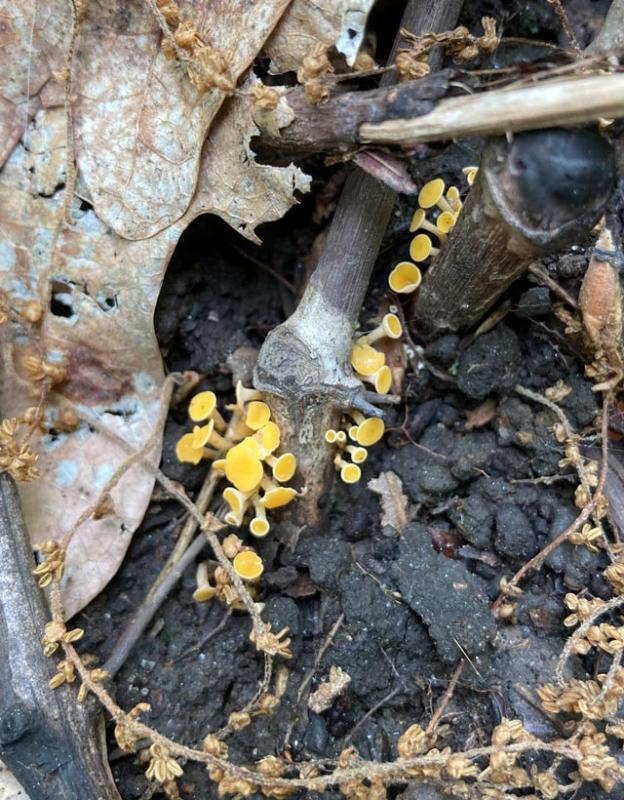
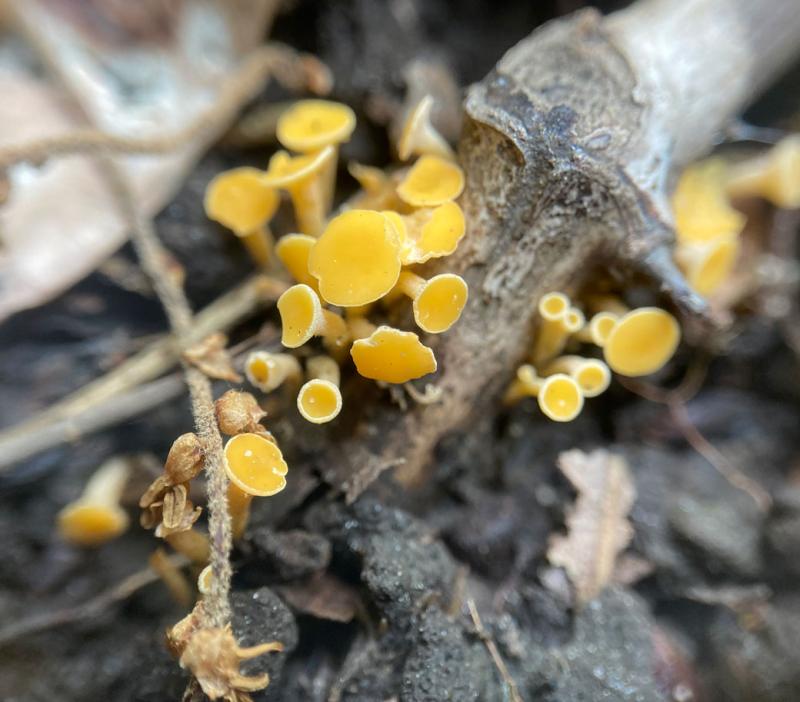
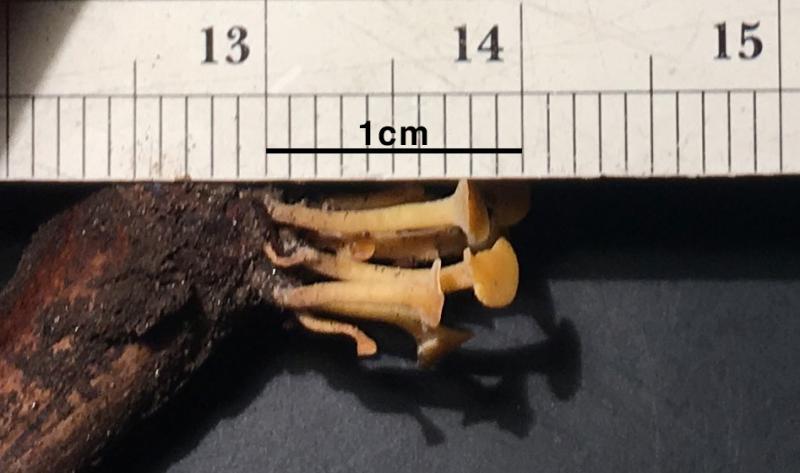
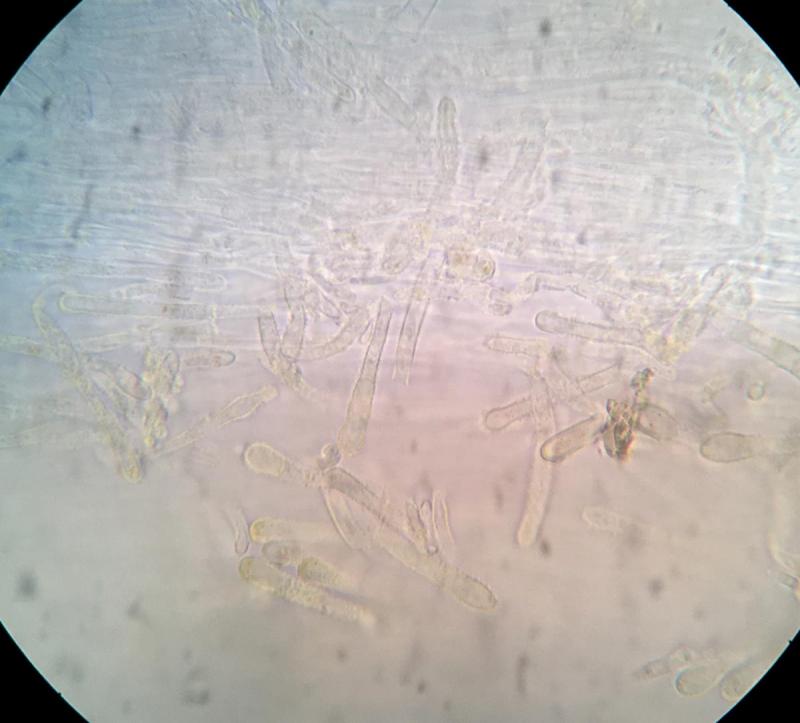
I found these lovely stipitate ascos on an herbaceous stem that was embedded in mud in a New York City park yesterday. My initial thought was Hymenoscyphus, but the microscopy did not fit. This has lanceolate paraphyses. So after a bit of looking I landed on Lachnum pygmaeum.
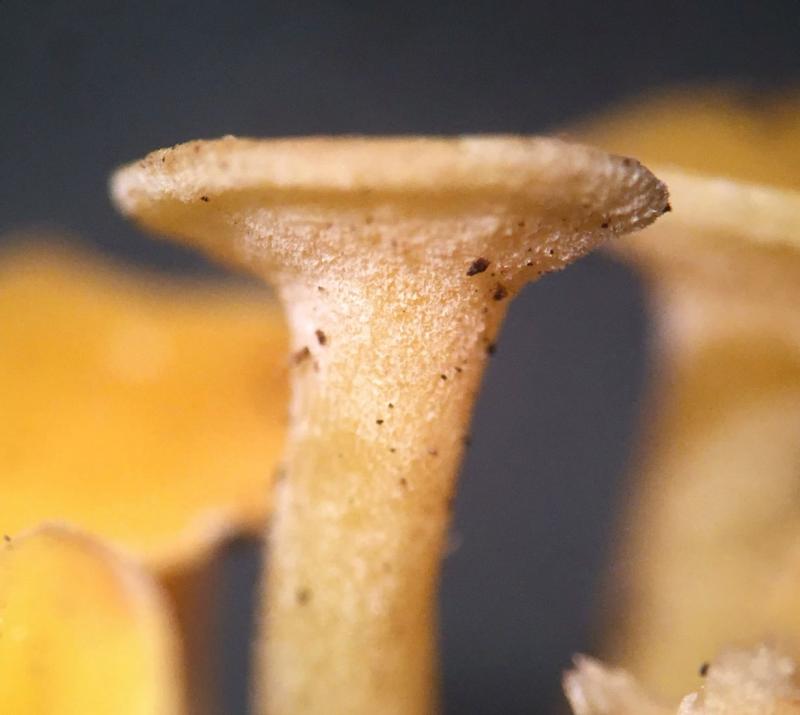
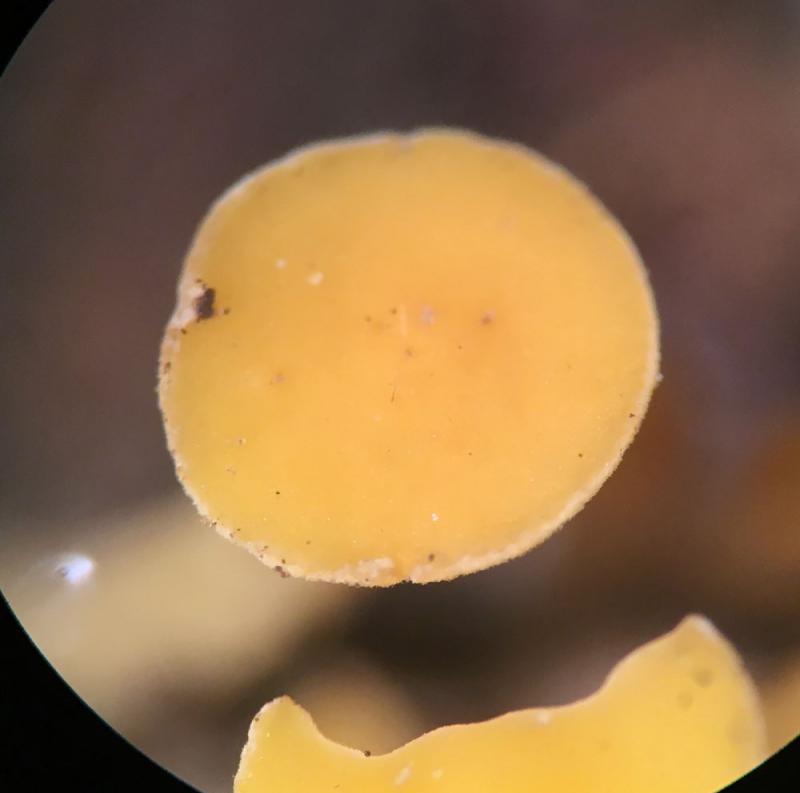
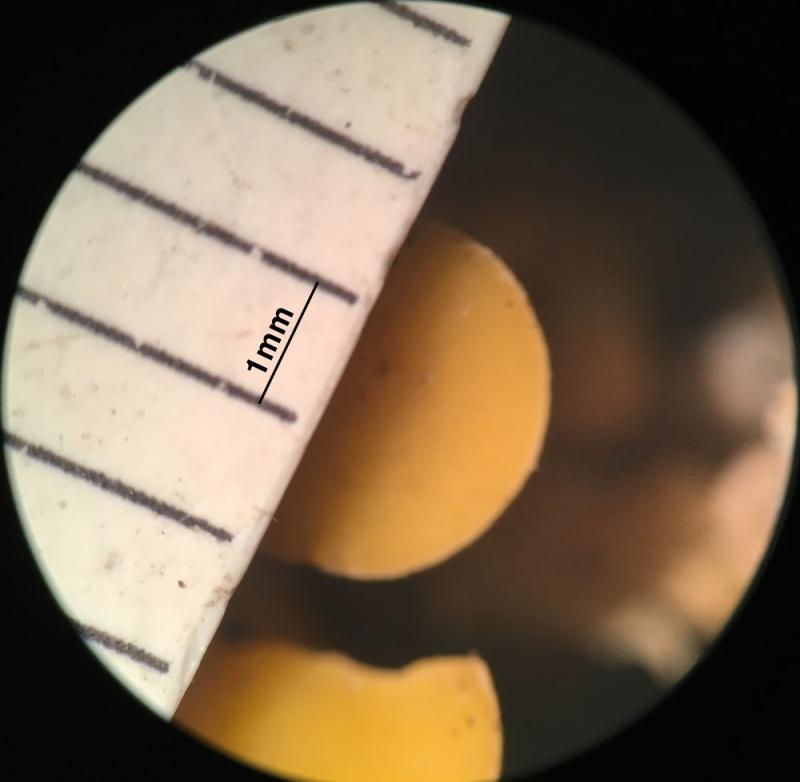
Apothecia long stipitate, stipes nearly 1cm long, disc about 3mm wide. Yellow hymenium with white floccose stipe.
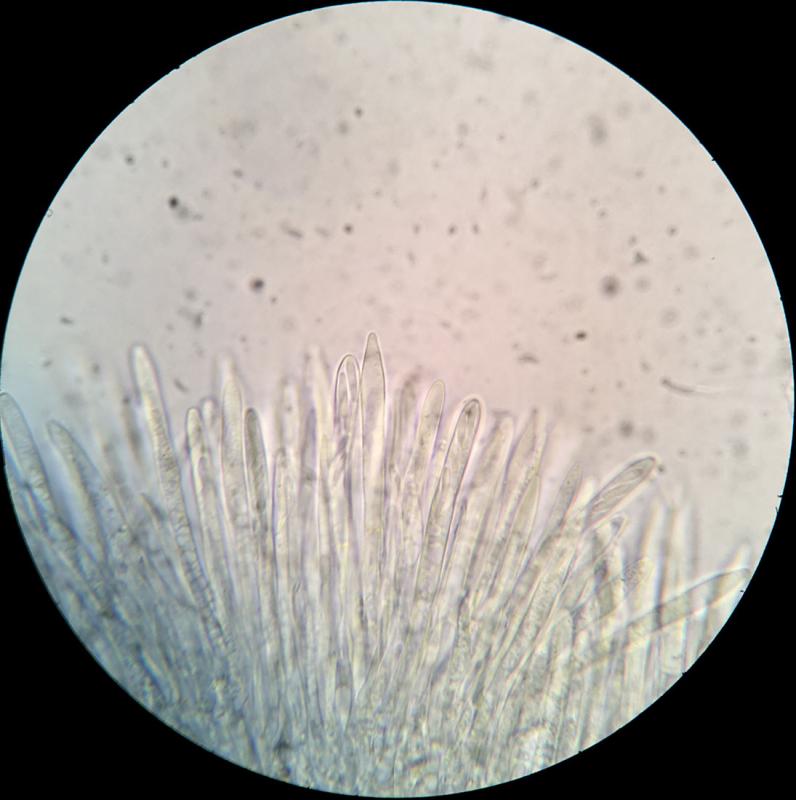
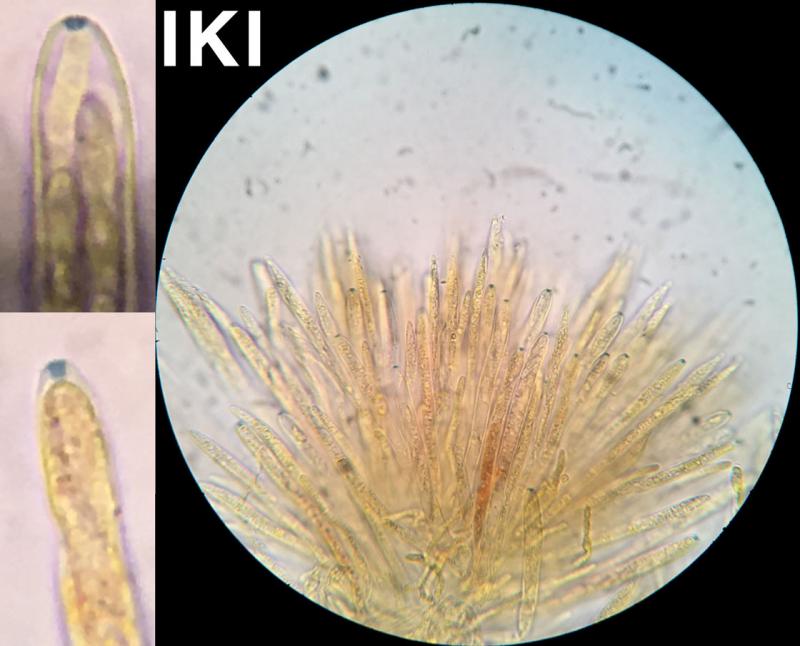
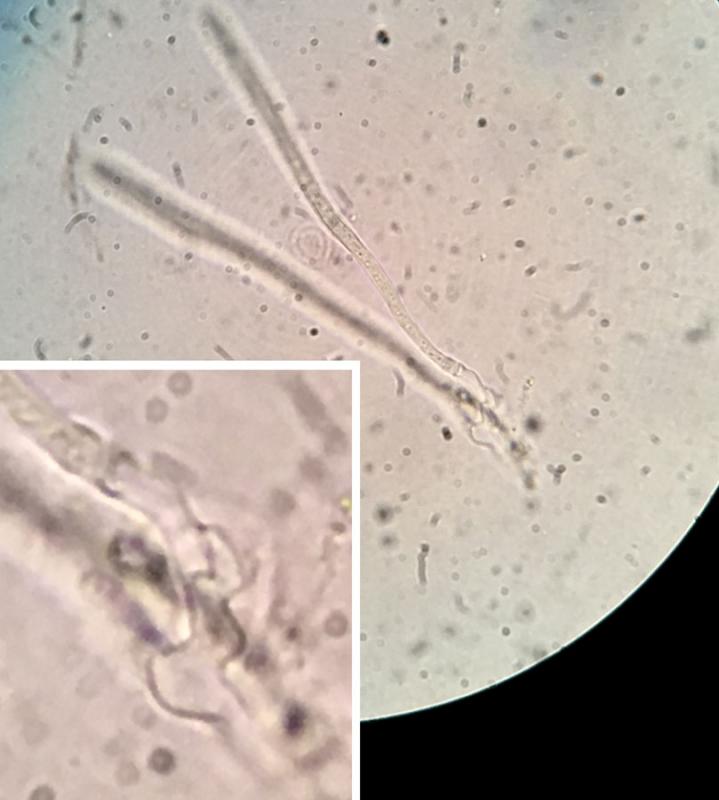
Asci IKI+ with croziers (I think)
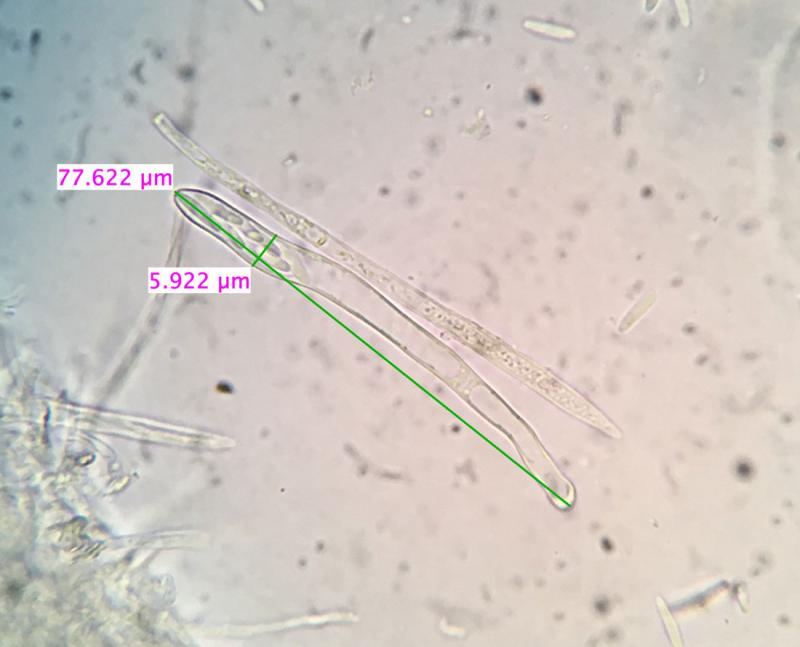
56.0-77.5 x 4.0-6.0µm
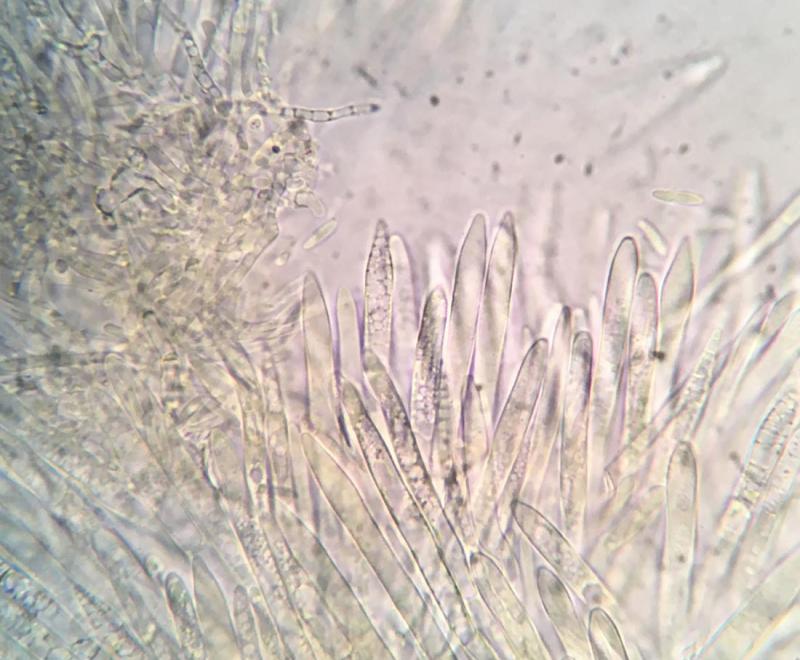
Paraphyses lanceolate 68-118 x 3.3-5.5µm
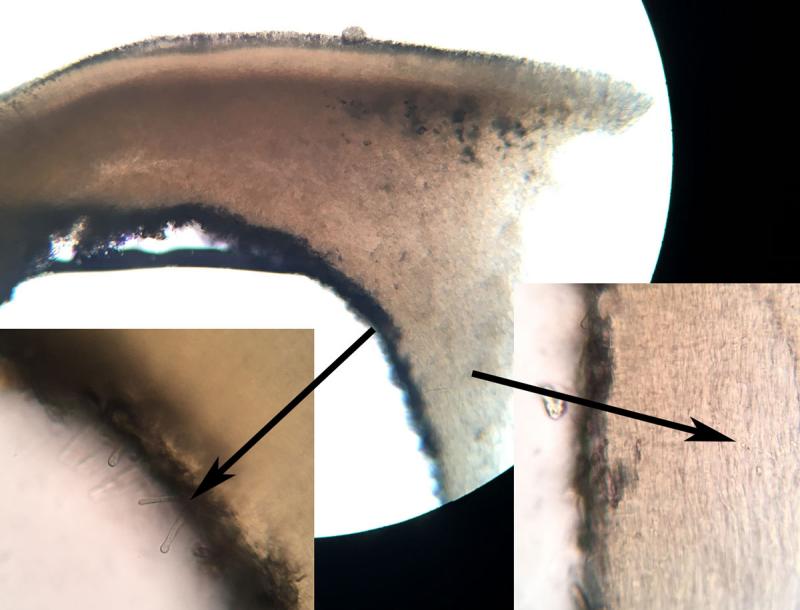
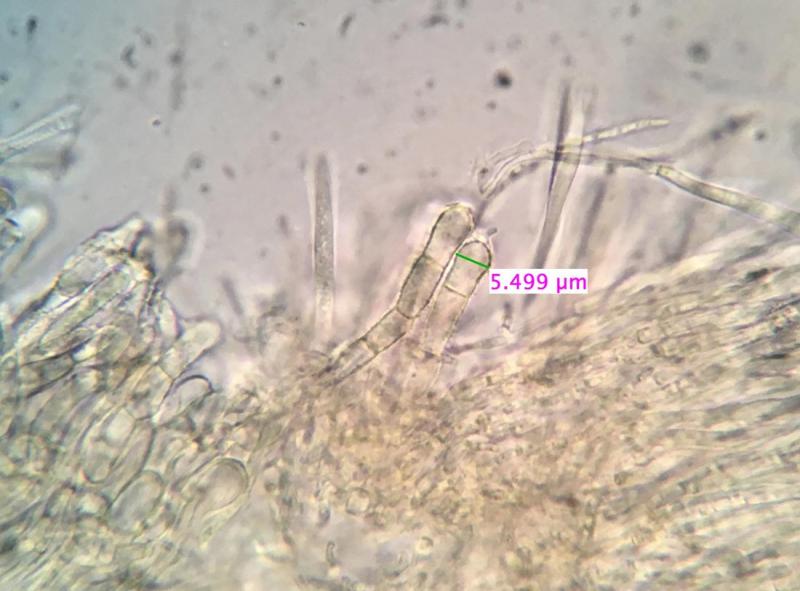
Hairs roughened, septate, some with capitate ends. The width of the capitate ends 4.4-5.6µm
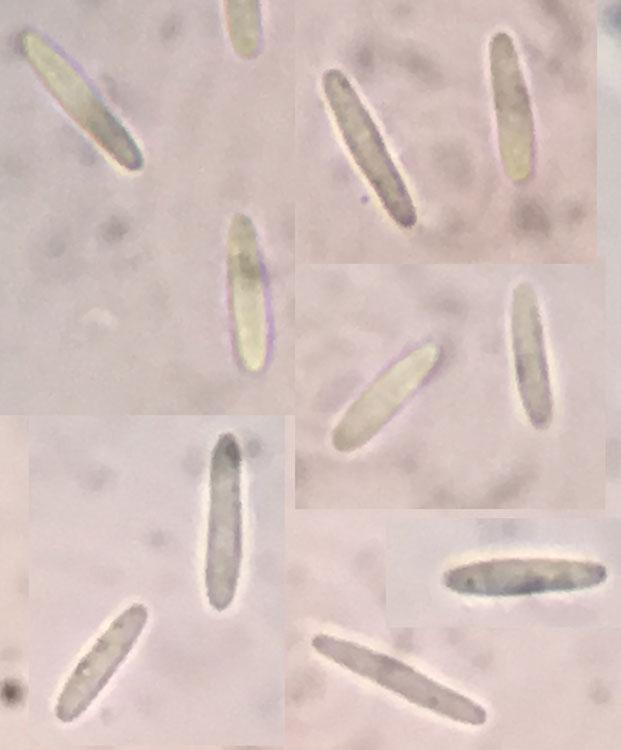
Spores hyaline, fusiform, eguttulate
7-11 x 1.5-2.3µm
Me 8.5-2.0µm
Q 3.6-6.5
Qe 4.4
N=45
Excipulum textura prismatica/intricata
Does this seem correct?
Thank you in advance.
Ethan
Hans-Otto Baral,
27-05-2024 22:25

Re : Lachnum pygmaeum?
Hi Ethan
these plant remains look characteristic, could it be a climber?
Yes, this sounds much like L. pygmaeum, at least I would compare the paper by White (1942) about this species. I am not fully sure if in Europe occurs the same species. This complex would be interesting to study in more depth. When reviewing a paper about the secondary metabolites of L. papyraceum by Marc Stadler, I made a small ITS tree with what is available around this species, and it turned out that there exist several like papyraceum and several like pygmaeum, together with L. subvirgineum, and which is the typical species is not known.
If you have any opportunity, I much wonder how this find would come out.
Zotto
Ethan Crenson,
28-05-2024 04:47
Re : Lachnum pygmaeum?
It seems to be an asco that doesn't mind living in New York City. I noticed that Fred Seaver collected it in Van Cortlandt Park, Bronx NYC in 1917. I am planning to sequence this collection, so hopefully it will be of some use in ironing out the complex.
Many thanks for your help!
Michel Hairaud,
28-05-2024 07:44

Re : Lachnum pygmaeum?
Hi Ethan and Zotto,
The very short hairs and other characters of your collection remind me of the Lachnum pygmaeum we find in great quantities on post-fire areas , mostly, in Brittany on roots of Ulex .
Zotto, your information about several species of L. pygmaeum incite us to get have our also sequenced .
AmitiésMichel
The very short hairs and other characters of your collection remind me of the Lachnum pygmaeum we find in great quantities on post-fire areas , mostly, in Brittany on roots of Ulex .
Zotto, your information about several species of L. pygmaeum incite us to get have our also sequenced .
AmitiésMichel
Hans-Otto Baral,
28-05-2024 09:10
Re : Lachnum pygmaeum?
Sequences in GB are cultures or DNA isolates from roots of trees or herbaceous plants in N-Amercia, Europe and China. Only my HB 6903 was from apothecia (on Ulex root near La Gacilly, Moulin de Cojoux). I am not sure how the IDs of these DNA isolates have been accoomplished since our isolate was uploaded long after those.