
09-06-2026 18:32
Camille MertensSur morceau de roseau immergé 0,5 - 0,7 mm de dia
10-06-2026 12:54
Steve ClementsBonjour encore, Pouvez-vous m'aider, s'il vous pl

10-06-2026 21:16
 François Freléchoux
Bonsoir,Le dernier du jour, en attendant votre avi
10-06-2026 21:07
François Freléchoux
Toutes les tiges de gentianes jaunes de l'an passÃ
10-06-2026 13:41
François Freléchoux
Bonjour à nouveau, Voici une trouvaille d'hier.
10-06-2026 11:53
Steve ClementsBonjour, This disco is abundant on dead stems of
10-06-2026 10:45
François Freléchoux
Bonjour à nouveau, Encore une détermination qui
08-06-2026 10:16
 Spooren Marco
I don`t have a clou about this fungus,it is not in
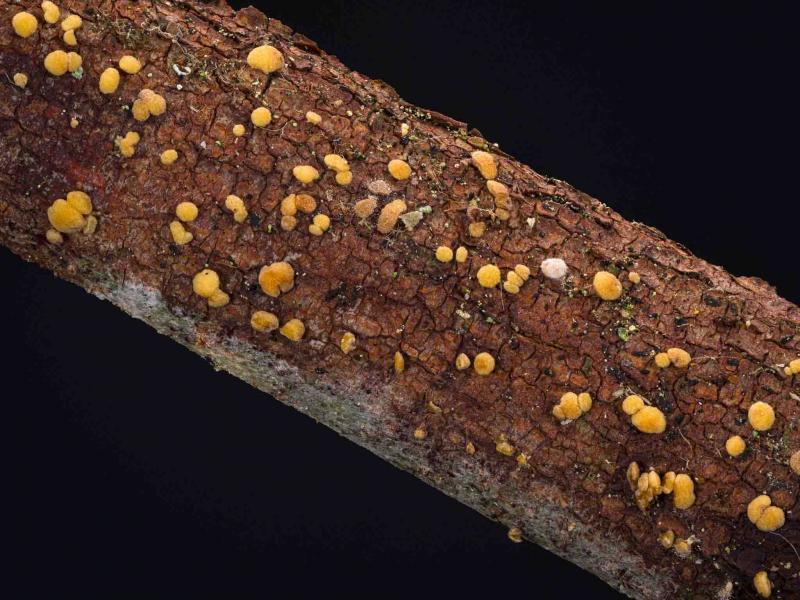
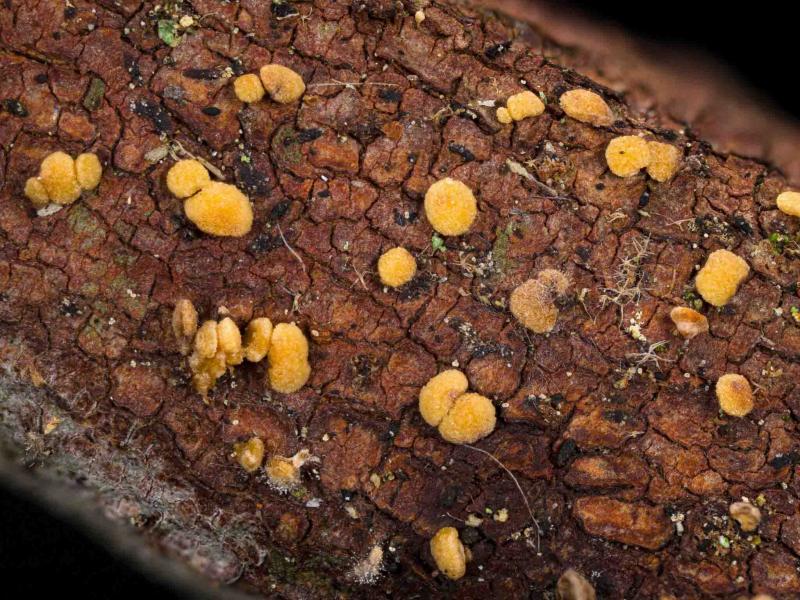
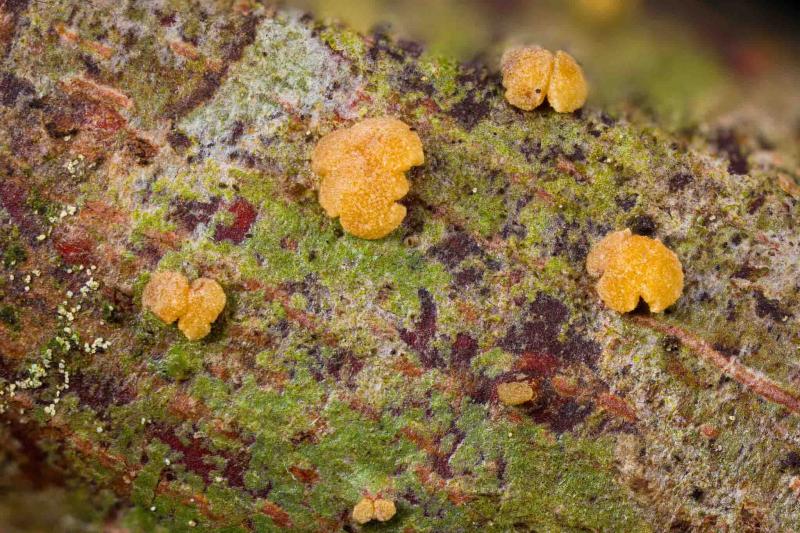
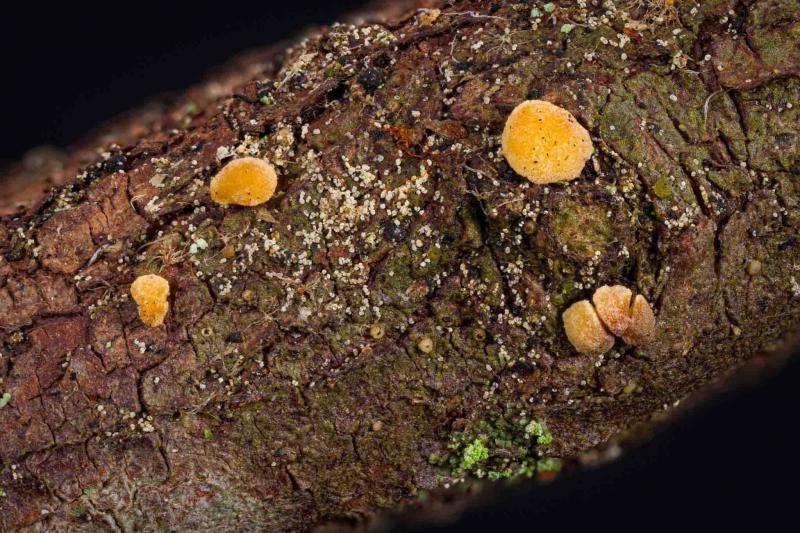
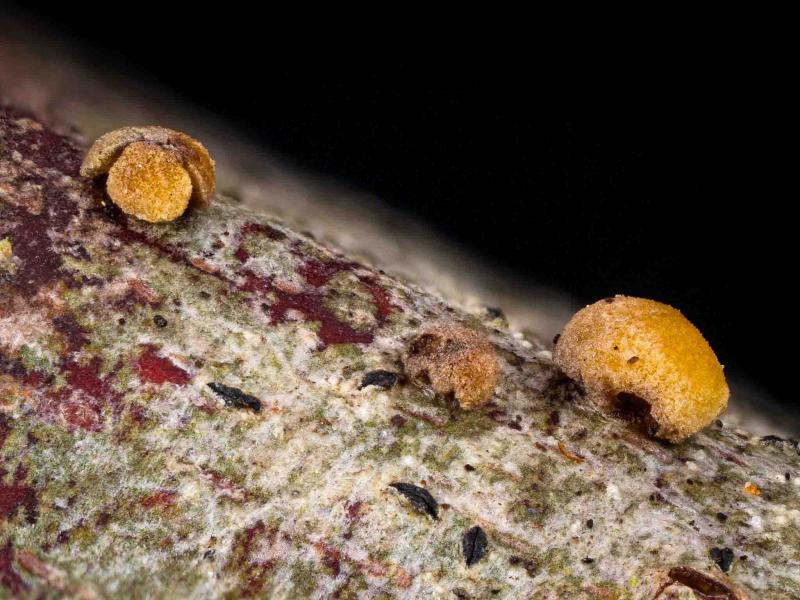
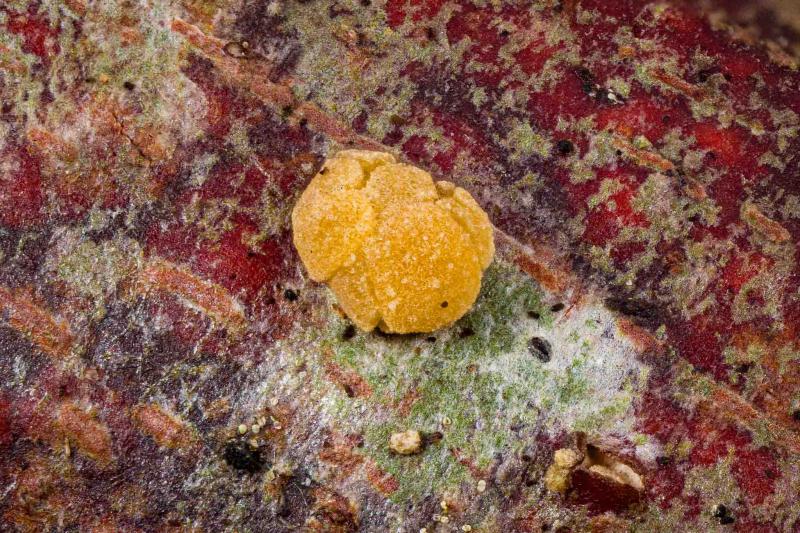
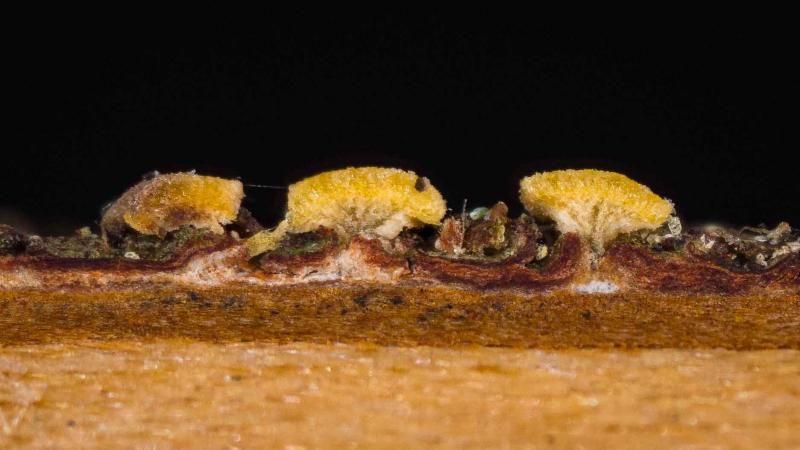
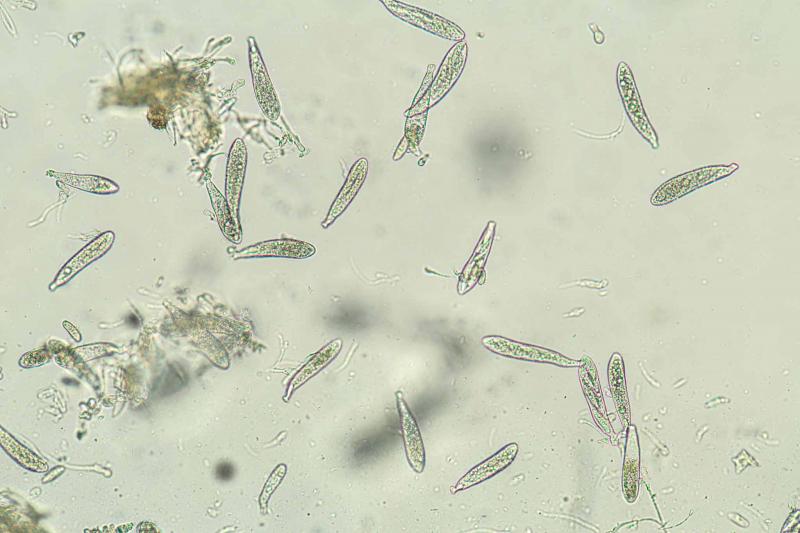
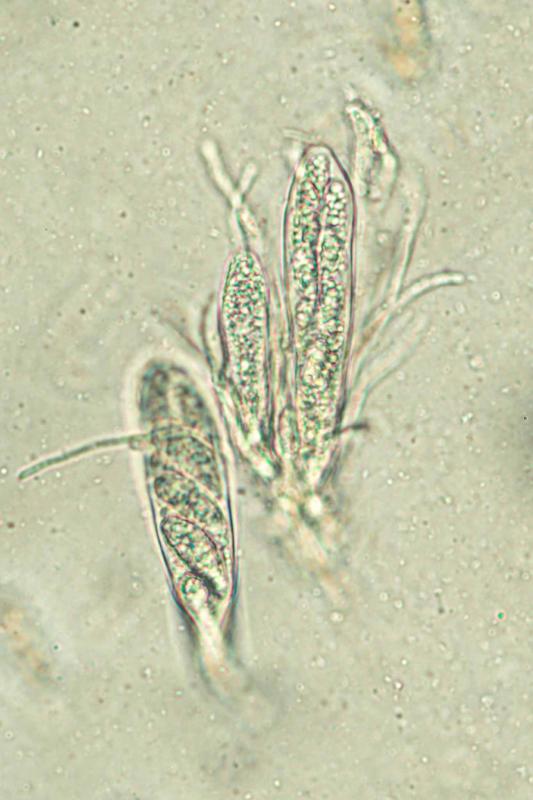
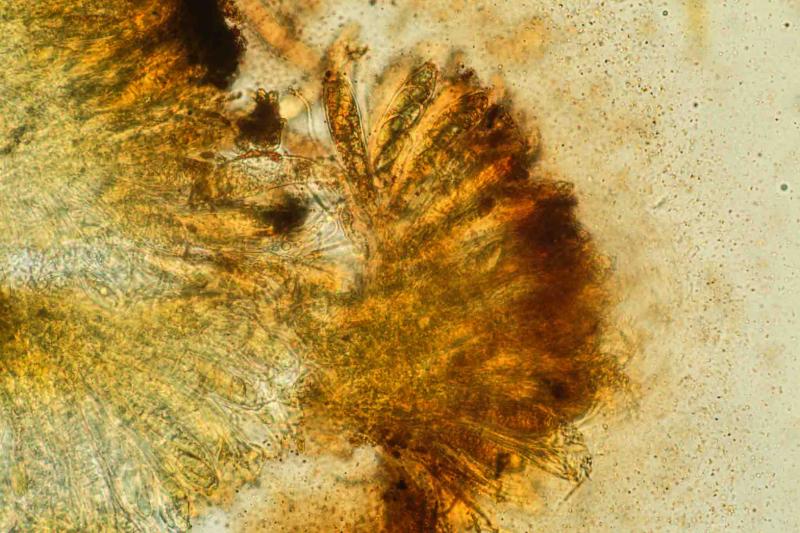
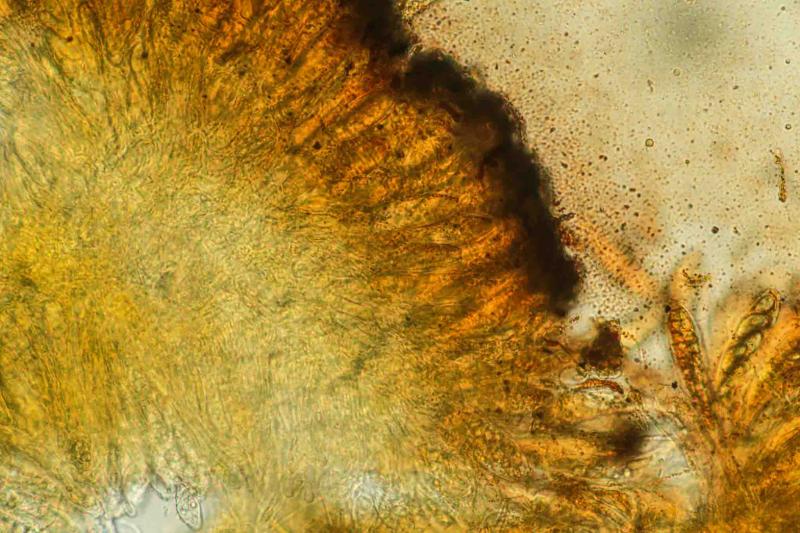
Pezicula sp. on Pyrularia pubera - North Carolina, USA
Danny Newman,
24-11-2023 21:38

higher resolution images available at inaturalist.org/observations/180579535
on standing, dead herbaceous central stems of Pyrularia pubera (see last image)
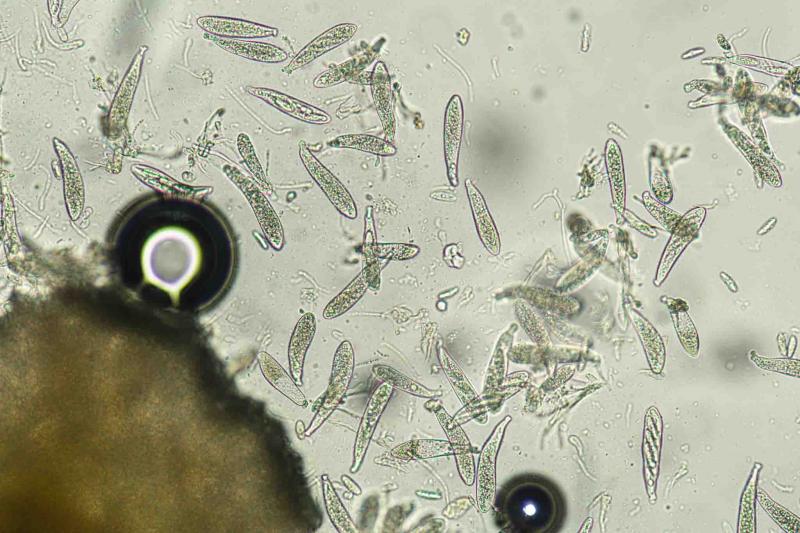
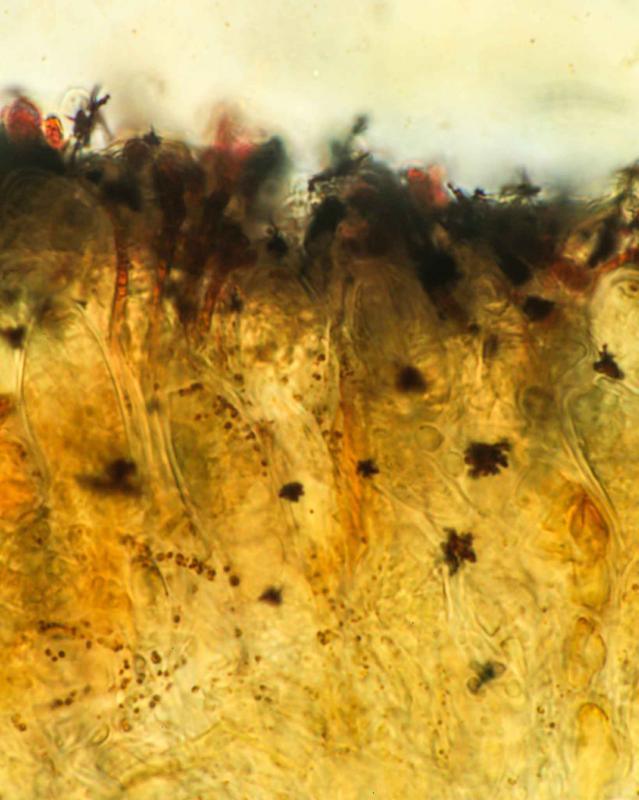
hymenial surface incrusted with abundant, dextrinoid (?), stellate crystals
Stage micrometer was recently lost, and so sadly I have no measurements at this time.



Hans-Otto Baral,
25-11-2023 10:30

Re : Pezicula sp. on Pyrularia pubera - North Carolina, USA
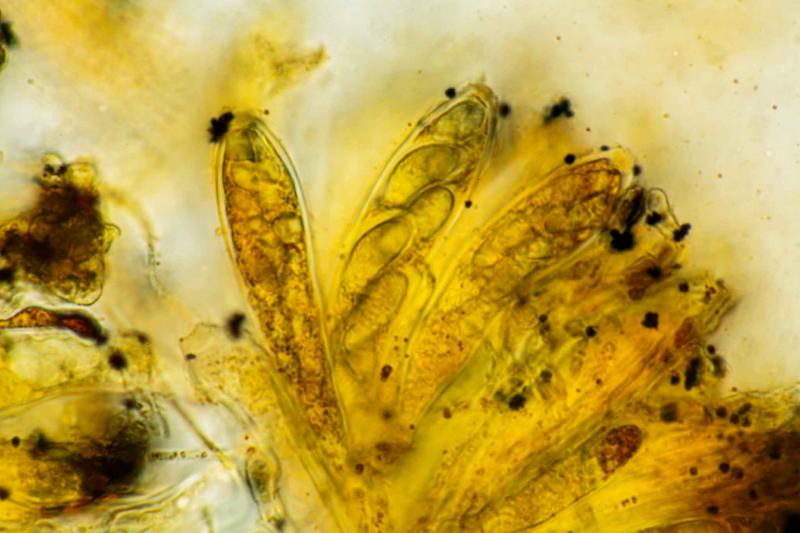
I remember to have seen in Pezicula such redbrown granules extruding from the hymenium (paraphyses) when adding Lugol. I assume you used Melzer. Important would be to check a KOH-pretreated probe with MLZ to see the deep blue apical rings (hemiamyloidity!).
For a species name I can say nothing.
Danny Newman,
25-11-2023 17:30
Re : Pezicula sp. on Pyrularia pubera - North Carolina, USA
Zotto,
Thank you for the reply. I use Lugol's when working with discomycetes whenever possible, at your long ago instruction, this being no exception. I made sure that a plentiful supply of it would be available for our participants to use at the Korf Foray and subsequence Purchase Knob AscoBlitz. One of the same dropper bottles provided for those events was used in the preparation of this sample.
Hans-Otto Baral,
25-11-2023 20:34
Re : Pezicula sp. on Pyrularia pubera - North Carolina, USA
Great! I concluded from the seemingly negative ascus apex that it must be Melzer. I only remember one species with inamyloid asci - not sure which it was. All others react pretty pure red but after KOH deep blue.