10-06-2026 21:16
 François Freléchoux
Bonsoir,Le dernier du jour, en attendant votre avi
11-06-2026 19:01
 William Slosse
Hello all,In an attempt to make a culture of a sus
11-06-2026 19:03
 Nicolas VAN VOOREN
Chers membres d'Ascofrance,Le site sera placé en

09-06-2026 18:32
Camille MertensSur morceau de roseau immergé 0,5 - 0,7 mm de dia
10-06-2026 12:54
Steve ClementsBonjour encore, Pouvez-vous m'aider, s'il vous pl
10-06-2026 21:07
François Freléchoux
Toutes les tiges de gentianes jaunes de l'an passÃ
10-06-2026 13:41
François Freléchoux
Bonjour à nouveau, Voici une trouvaille d'hier.
10-06-2026 11:53
Steve ClementsBonjour, This disco is abundant on dead stems of
Bryophilous Fungi on Conocephalum
Nedim Jukic,
30-10-2021 15:09
 Hi all,
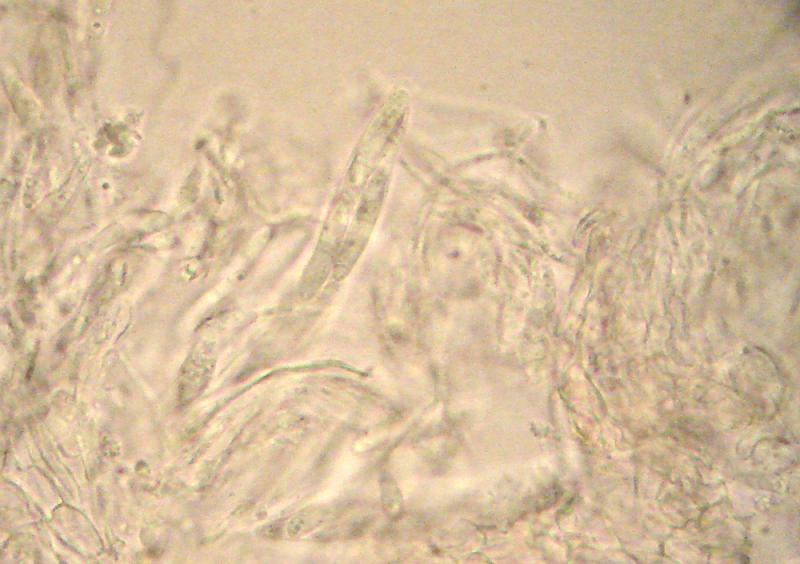
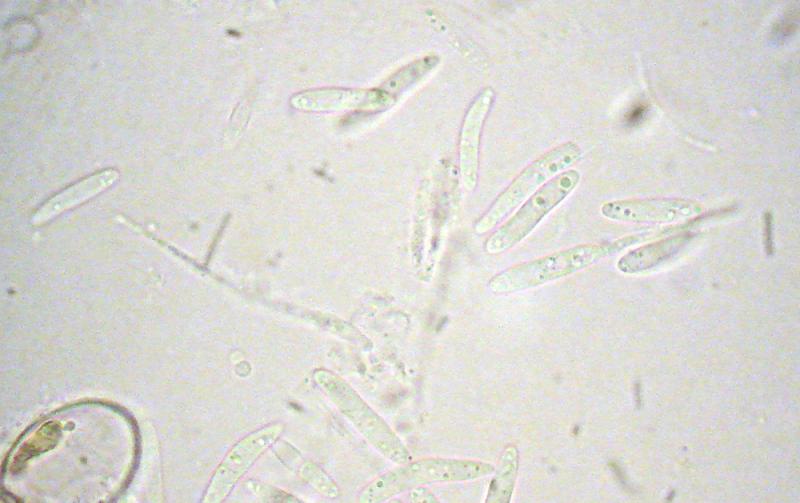
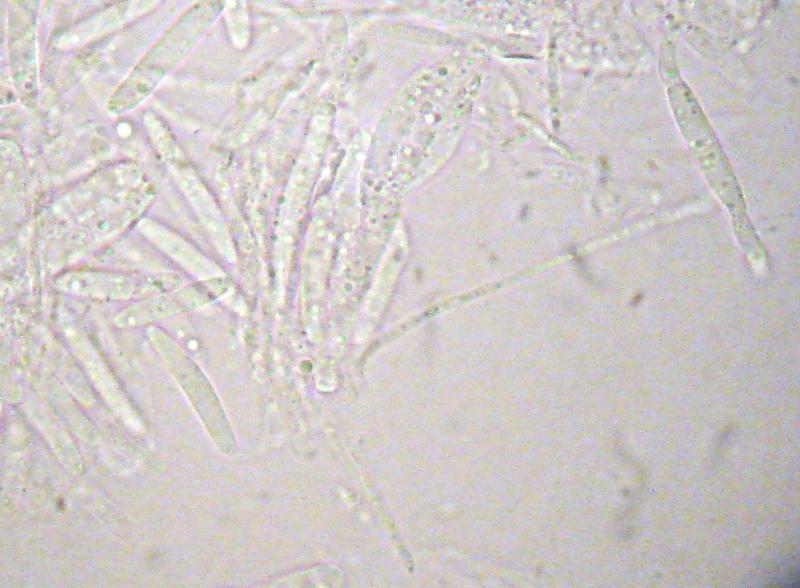
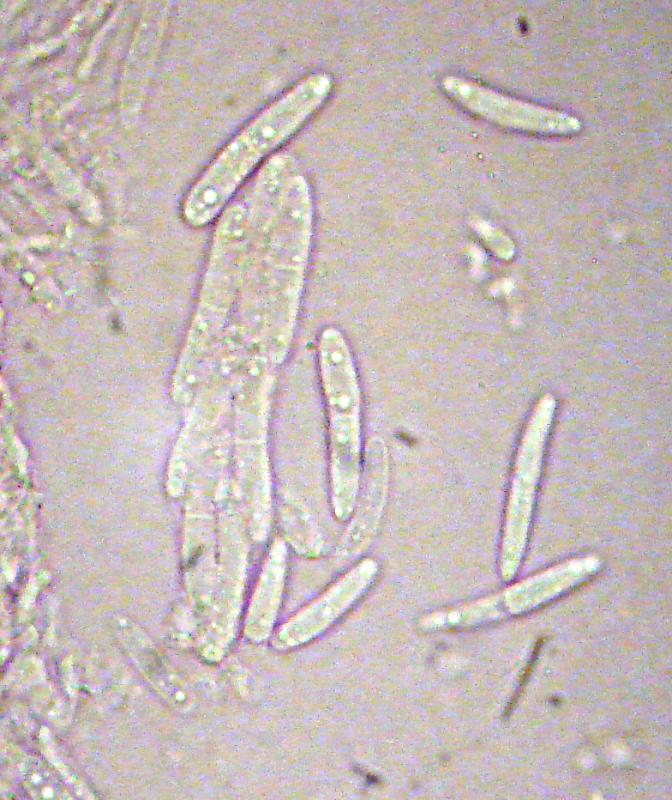
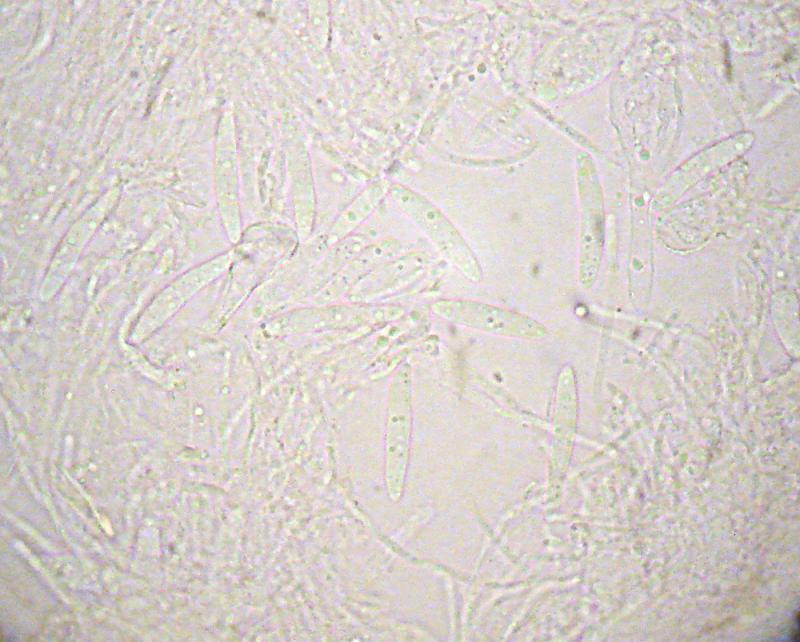
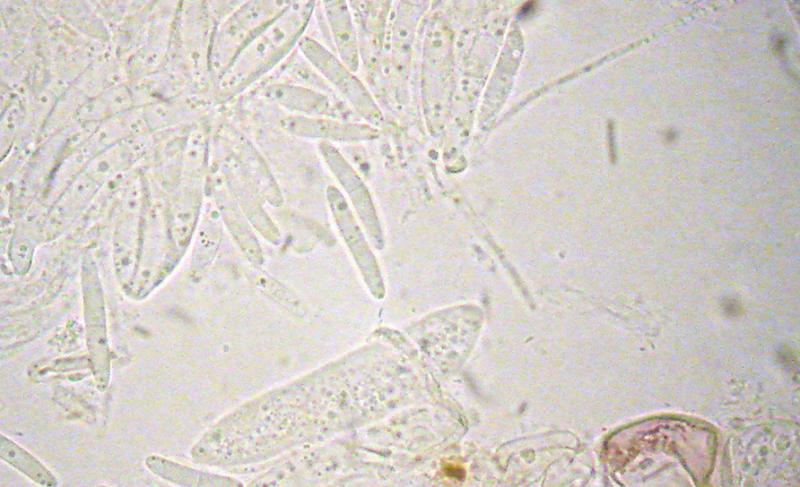
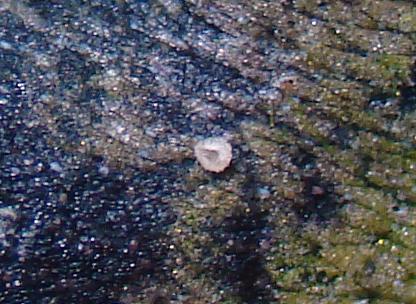
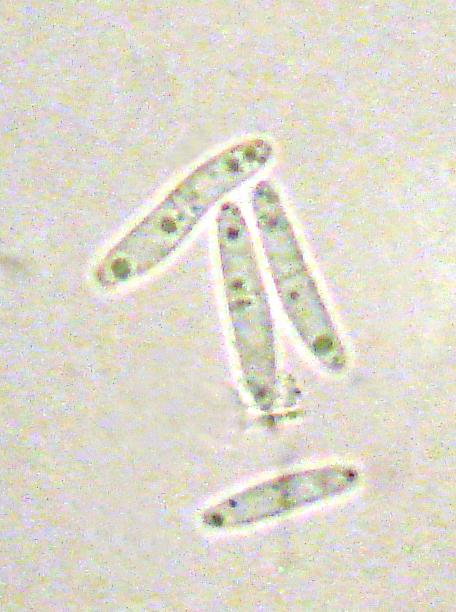
Does anyone have any idea about genus ID of this small fungus (0.1 mm in diam) found on Conocephalum sp.?
It has been found on 25th of July this year at 1700 m asl on the glacial lake shore in central Bosnia and Herzegovina.
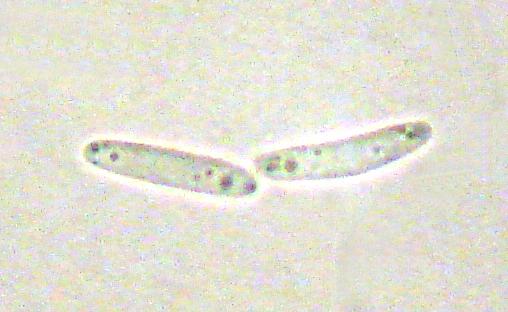
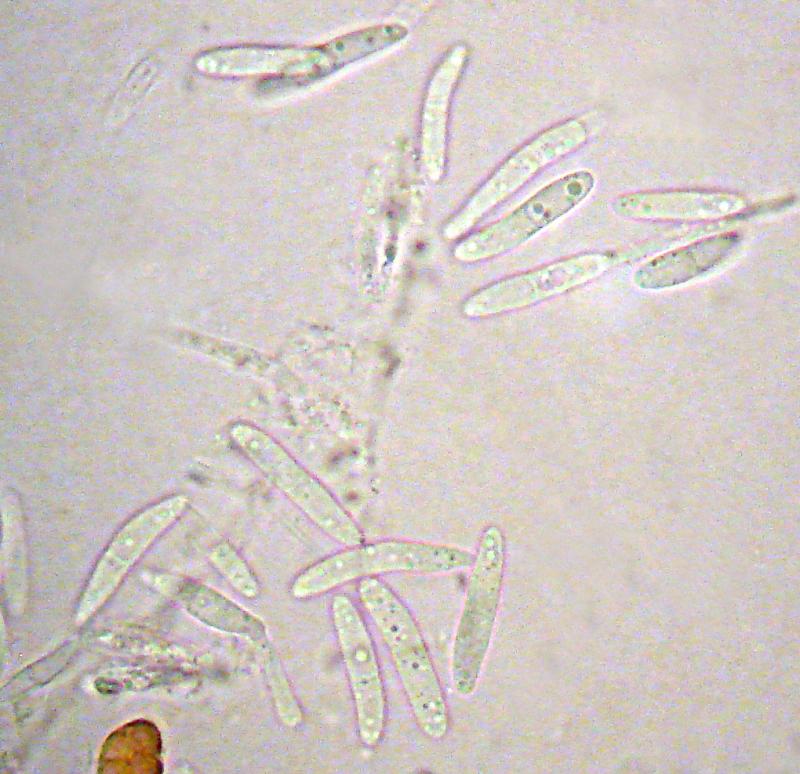
Here is data about spores size:
(12.5) 13.3 - 19.8 (21) × (2.4) 2.6 - 3.5 (4.4) µm
Q = (3.8) 4.8 - 6.7 (7.7) ; N = 20
Me = 16.5 × 3 µm ; Qe = 5.5
Cheers,
Hans-Otto Baral,
30-10-2021 16:55

Re : Bryophilous Fungi on Conocephalum
I only know Bryoscyphus marchantiae on that substrate, but the narrow spores and shape of apical rin are totally different.
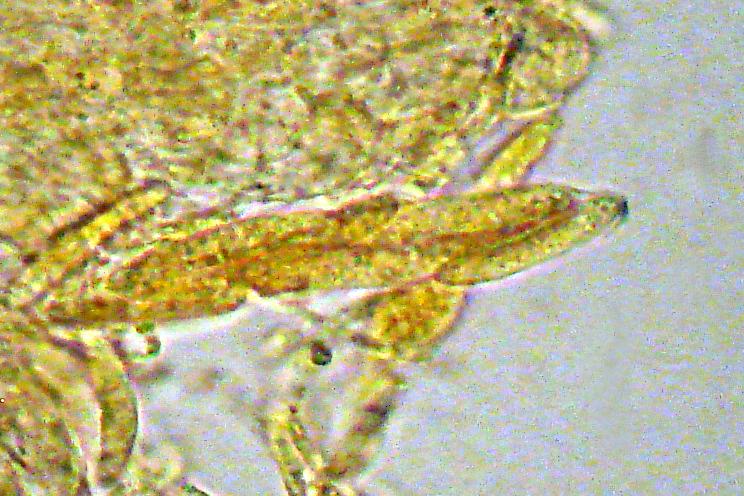
Any idea of the paraphyses and their contents? No hairs?
Zotto
Nedim Jukic,
30-10-2021 17:20
Re : Bryophilous Fungi on Conocephalum
Hi Zotto,
Thanks for you comment.
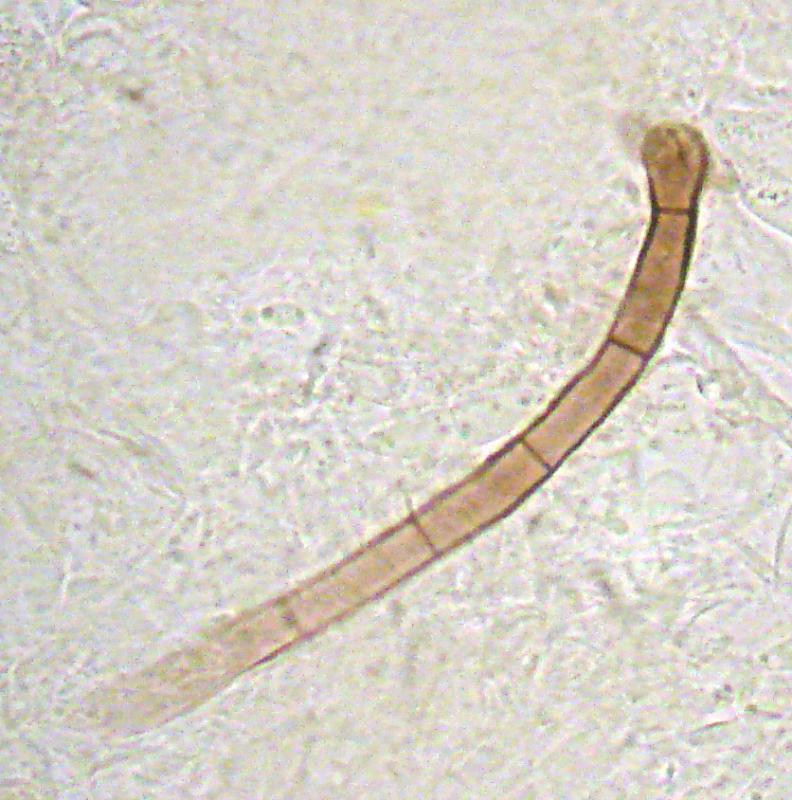
As a matter of fact I have noticed one hair but I was not sure whether or not it come from fungi or something else.
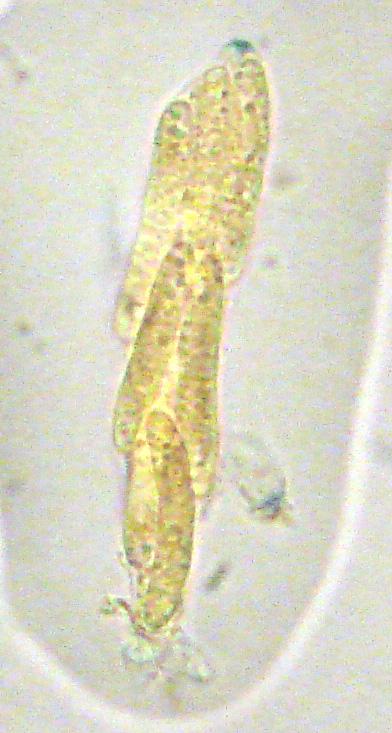
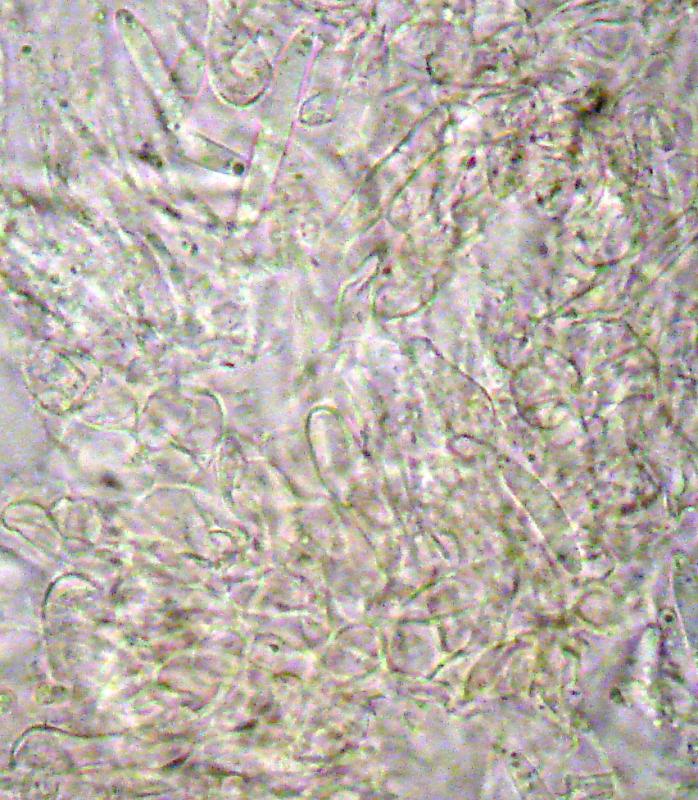
Here is some more photos, some with paraphyses but not clearly visible.
Looks like there is some disperse content and not concentrate refreactive VBs.
I am familiar with B. marchantiae, and besides differences you have mentioned this one is way to smaller.
Cheers,
Thanks for you comment.
As a matter of fact I have noticed one hair but I was not sure whether or not it come from fungi or something else.
Here is some more photos, some with paraphyses but not clearly visible.
Looks like there is some disperse content and not concentrate refreactive VBs.
I am familiar with B. marchantiae, and besides differences you have mentioned this one is way to smaller.
Cheers,