
12-06-2026 14:50
 François Freléchoux
Bonjour, Voici la brève description d'une Mollis
10-06-2026 21:16
François Freléchoux
Bonsoir,Le dernier du jour, en attendant votre avi
11-06-2026 19:01
 William Slosse
Hello all,In an attempt to make a culture of a sus
11-06-2026 19:03
 Nicolas VAN VOOREN
Chers membres d'Ascofrance,Le site sera placé en

09-06-2026 18:32
Camille MertensSur morceau de roseau immergé 0,5 - 0,7 mm de dia
10-06-2026 12:54
Steve ClementsBonjour encore, Pouvez-vous m'aider, s'il vous pl
10-06-2026 21:07
François Freléchoux
Toutes les tiges de gentianes jaunes de l'an passÃ
10-06-2026 13:41
François Freléchoux
Bonjour à nouveau, Voici une trouvaille d'hier.
 Hello,
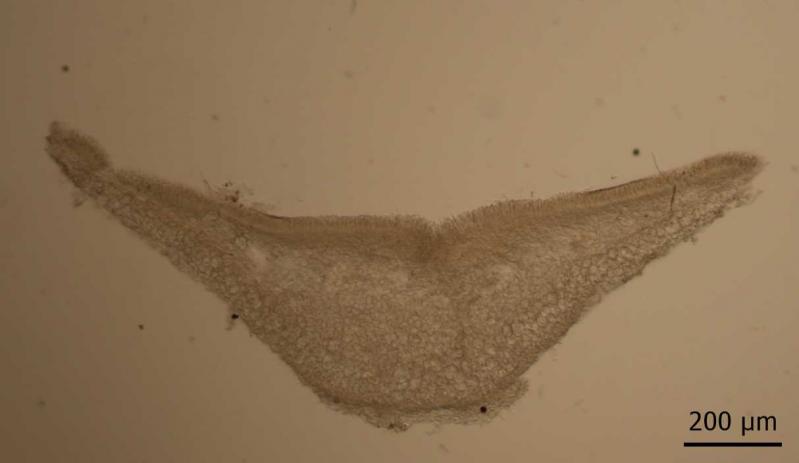
This Orbilia measures up to 2 mm in diameter and is translucently white.
North Bohemia, wet rotten wood of Salix, about 300 m a.s.l.
Ascospores 4.1-5.1 (5.4) × 1.2-1.5(1.6) µm, Q = (2.7) 2.8 - 3.9 (4.1)
Asci 8-spored, 37-41 x 3.3-3.9 µm.
Conidia 3-septate, not branched, 16-21.5 × 4.8-5.5 µm
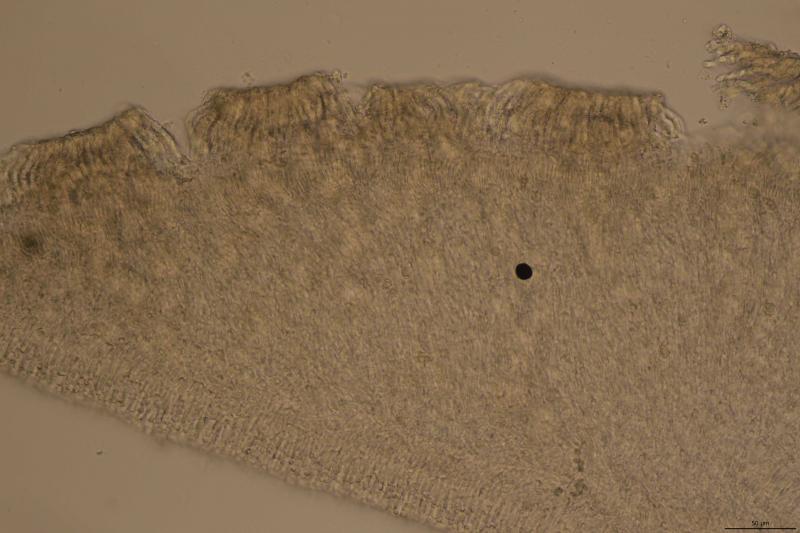
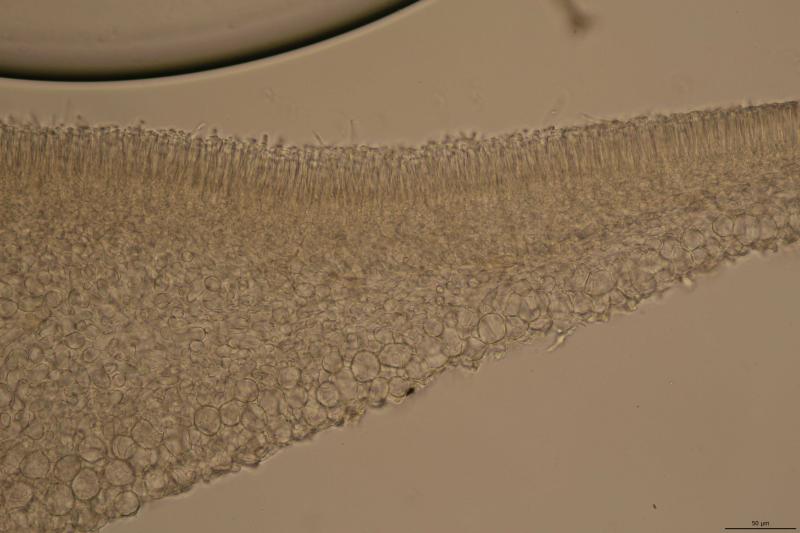
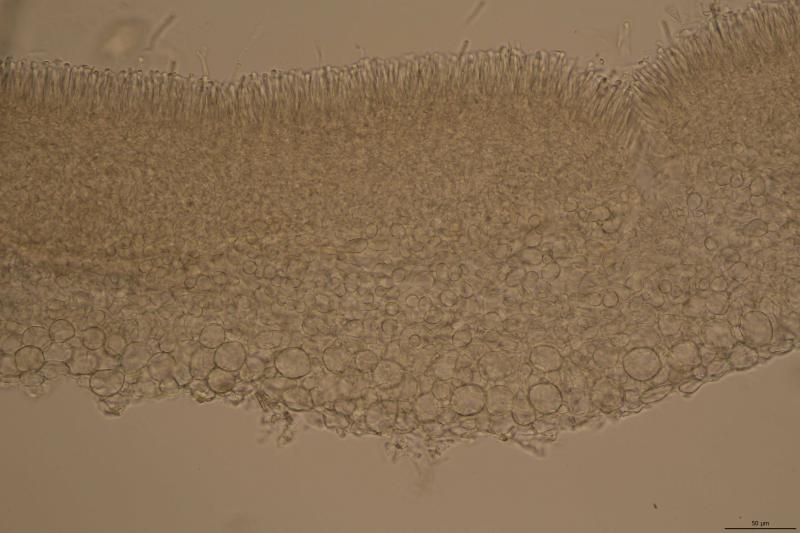
Paraphyses capitate, apex covered with an exudate, the last cell 13.7-23.7 × 2.3-4.3 µm
Margin is beset by septate elements (hairs?), the last cell is 16.9-22.4 × 3.4-4 µm, these continue with bent glassy processes which have a rough surface.
SCBs - I haven´t seen any.
North Bohemia, wet rotten wood of Salix, about 300 m a.s.l.
The most similar species seem to belong to the series Drechslerella, but I haven´t found anything fully fitting.
Thanks for your help, Zuzana

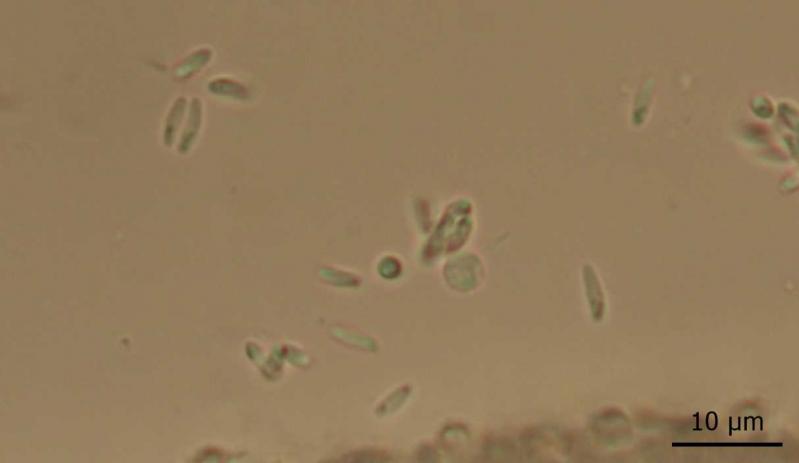
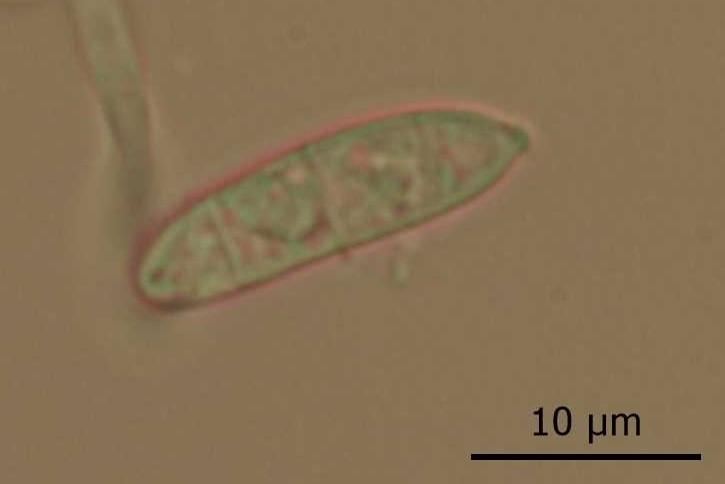
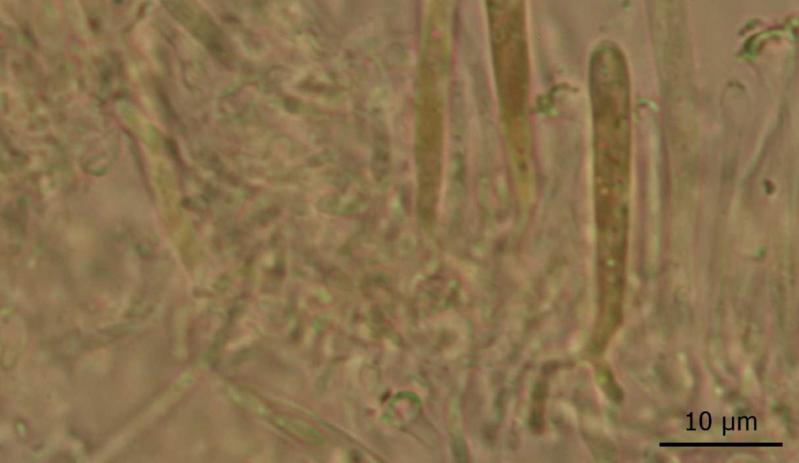
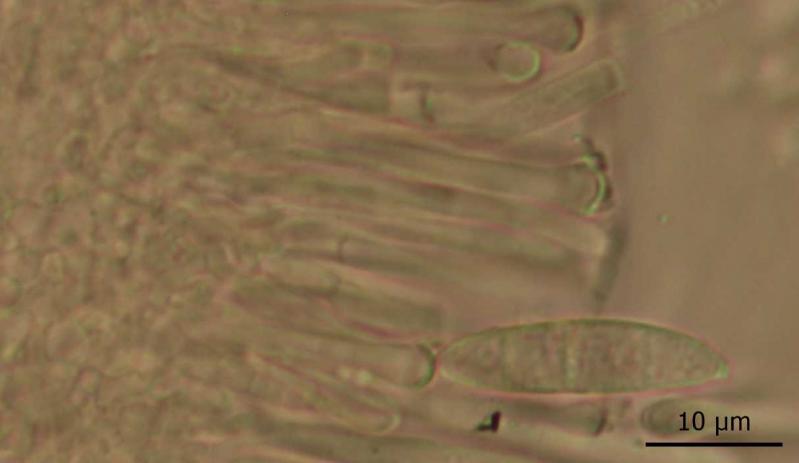
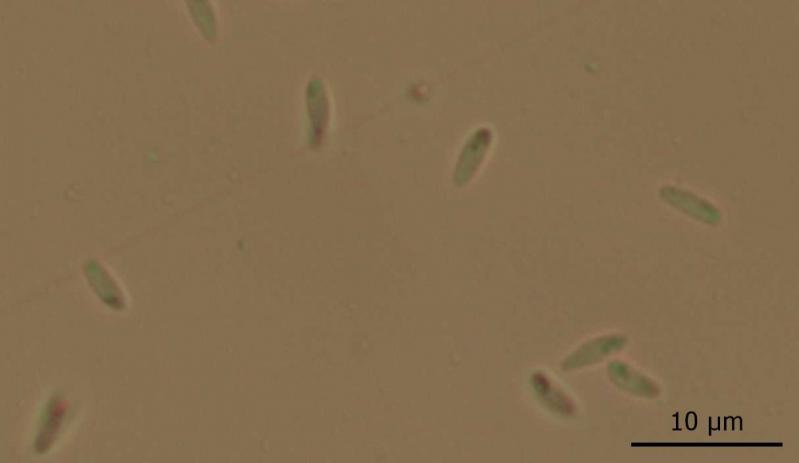

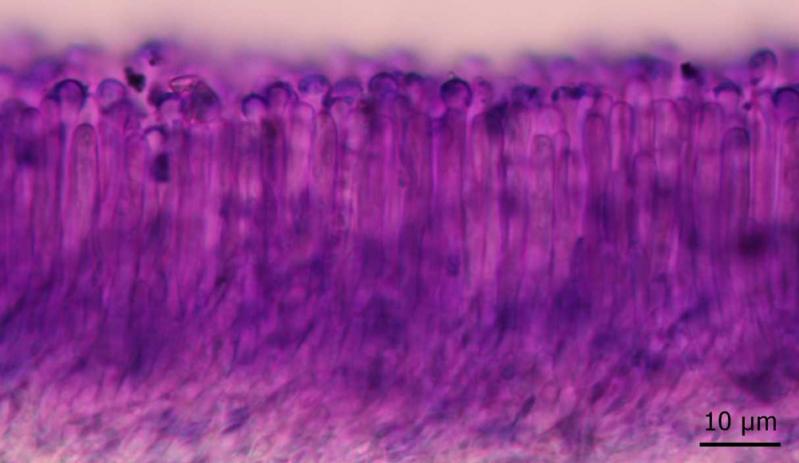
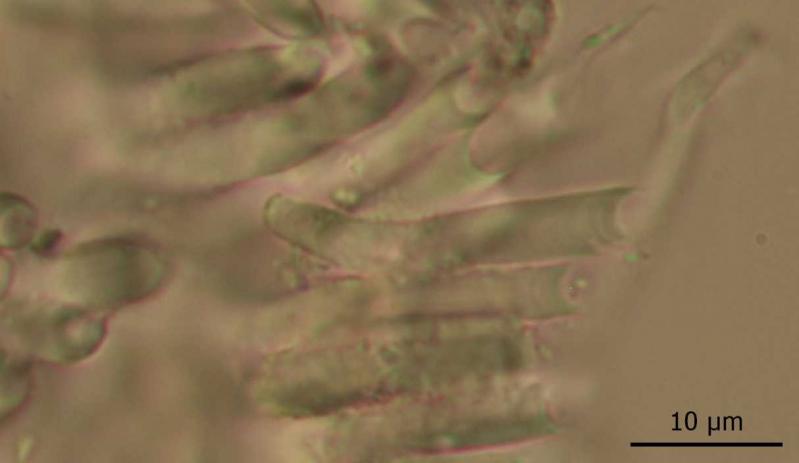

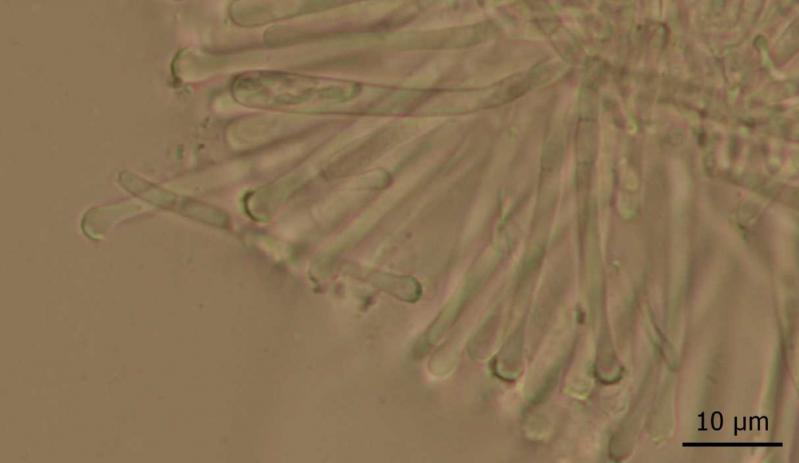
Pilosa – smaller spores, glassy processes absent
Flavovacuolata – smaller apothecia, longer spores, glassy processes absent
Polybrocha – a bit longer spores, apothecia often brown
Naumburgensis – spores OK, but bent conidia
Yunnanensis – smaller spores, glassy processes can be almost absent
Orientalis - smaller spores
Brochopaga – smaller spores, exudate absent
Tonghaiensis – smaller spores with very different shape
Am I searching in a wrong series?

thank you very much for your answer.
I don´t have any macro yet (my husband went to a Rubus expedition and needed to take the camera with him), but hopefully I will add photos of apothecia tomorrow, the fungi are in a fridge.
I though the conidia belong to the apothecia, because they are similar to those occurring in the series Drechslerella.
Sorry for the quality of pictures - the microscopic characters in Orbilia are too small for my home equipment.
Zuzana
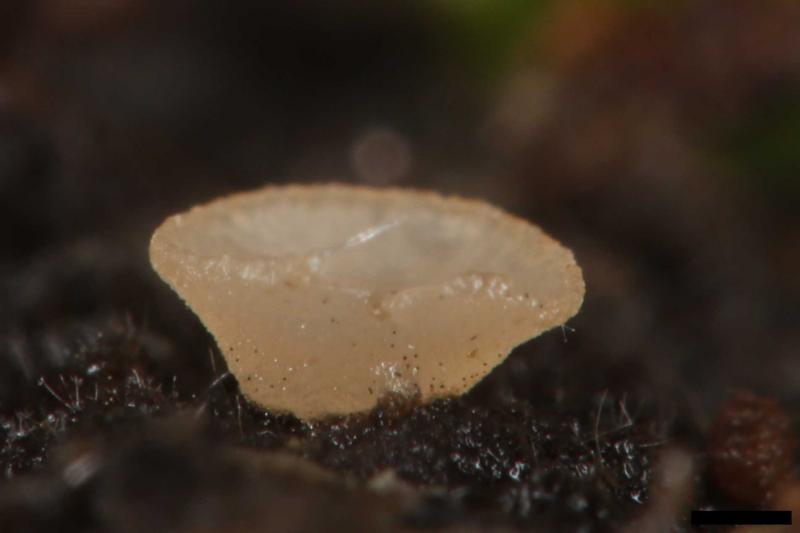
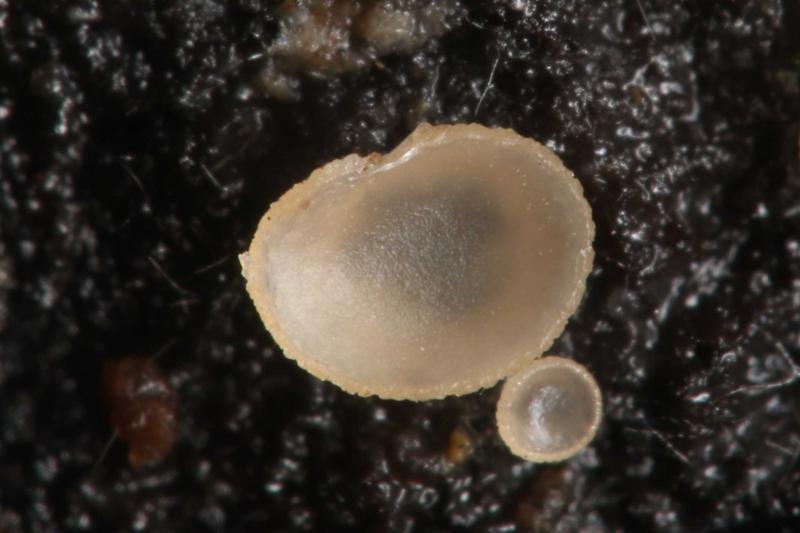
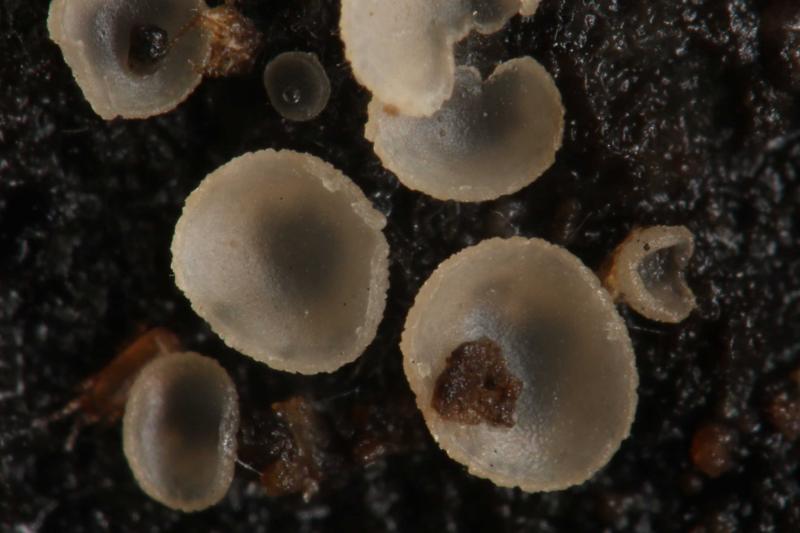
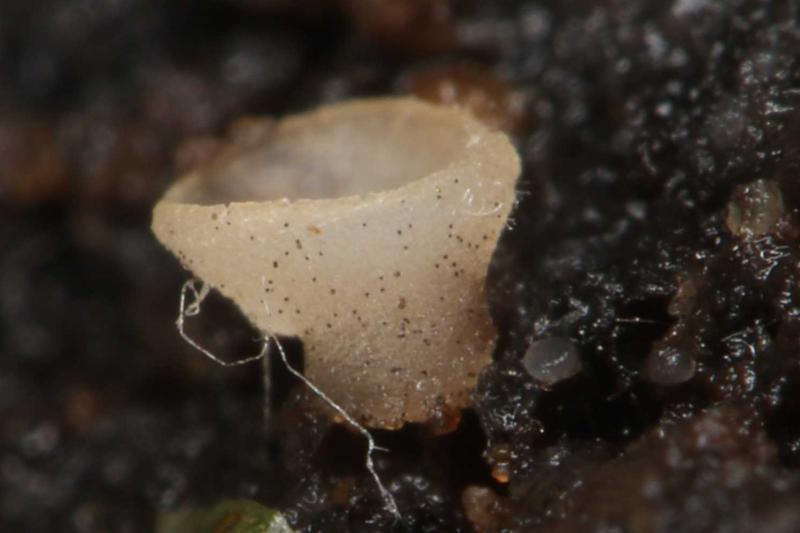
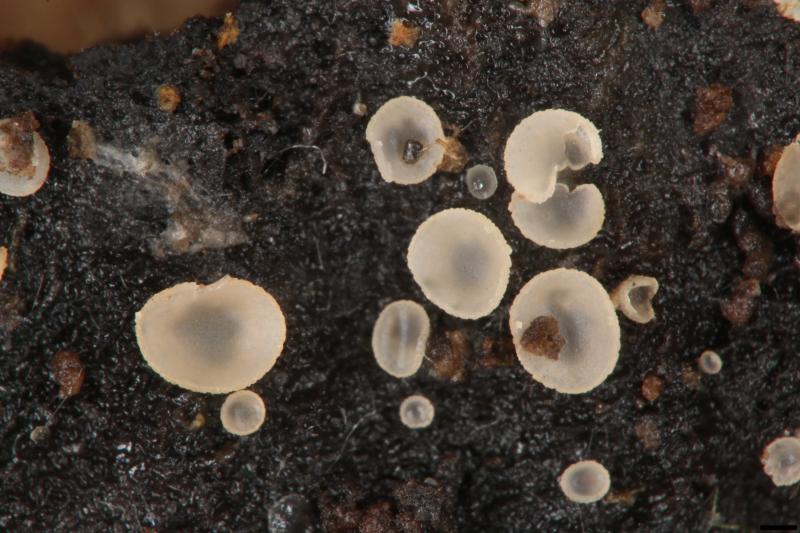
Salix is certain, is was a whole tree :-) If I remember well, there is no other tree species in this part of the locality. Orbilia was growing on the stem (I think a place where a strong twig was cut), it a height of maybe 1.3 m. I will verify it next time I visit the locality (which should be in a month or two).
I will ask Michal to try to obtain ITS.