
12-06-2026 14:50
 François Freléchoux
Bonjour, Voici la brève description d'une Mollis
10-06-2026 21:16
François Freléchoux
Bonsoir,Le dernier du jour, en attendant votre avi
11-06-2026 19:01
 William Slosse
Hello all,In an attempt to make a culture of a sus
11-06-2026 19:03
 Nicolas VAN VOOREN
Chers membres d'Ascofrance,Le site sera placé en

09-06-2026 18:32
Camille MertensSur morceau de roseau immergé 0,5 - 0,7 mm de dia
10-06-2026 12:54
Steve ClementsBonjour encore, Pouvez-vous m'aider, s'il vous pl
10-06-2026 21:07
François Freléchoux
Toutes les tiges de gentianes jaunes de l'an passÃ
10-06-2026 13:41
François Freléchoux
Bonjour à nouveau, Voici une trouvaille d'hier.
 Hello,
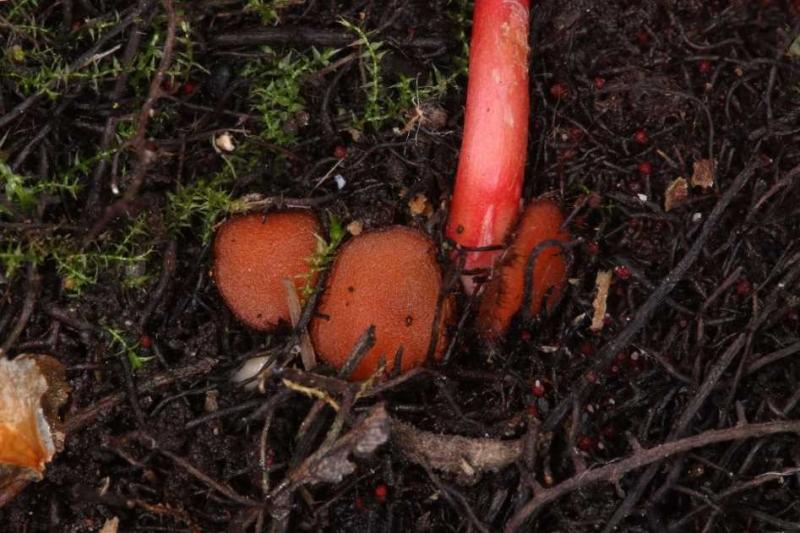
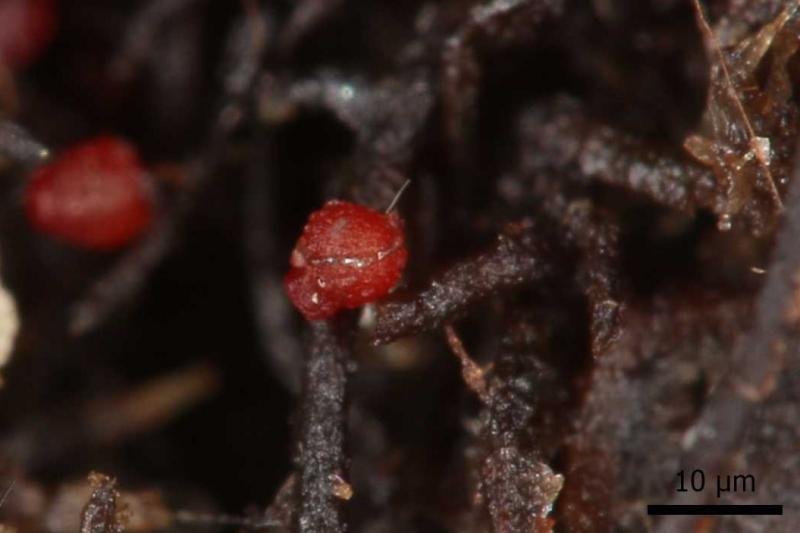
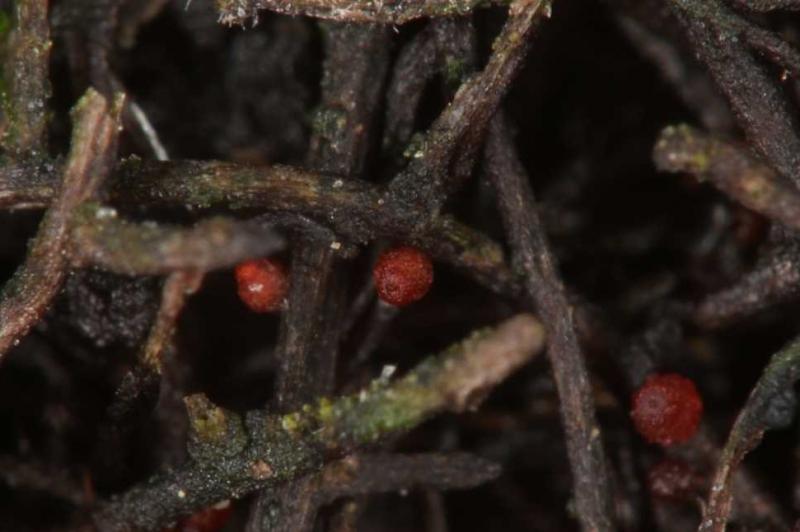
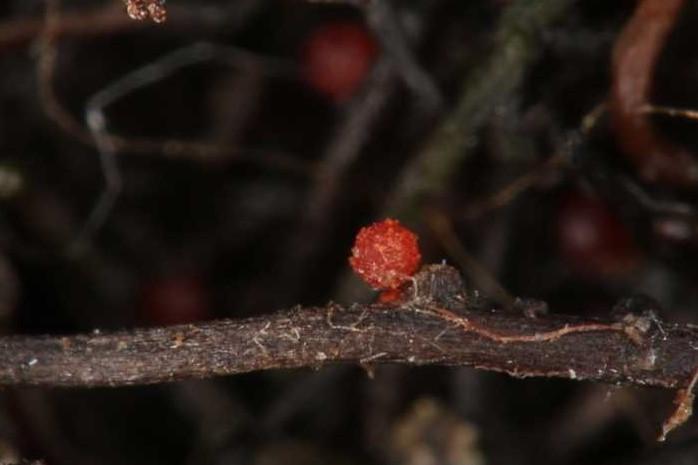
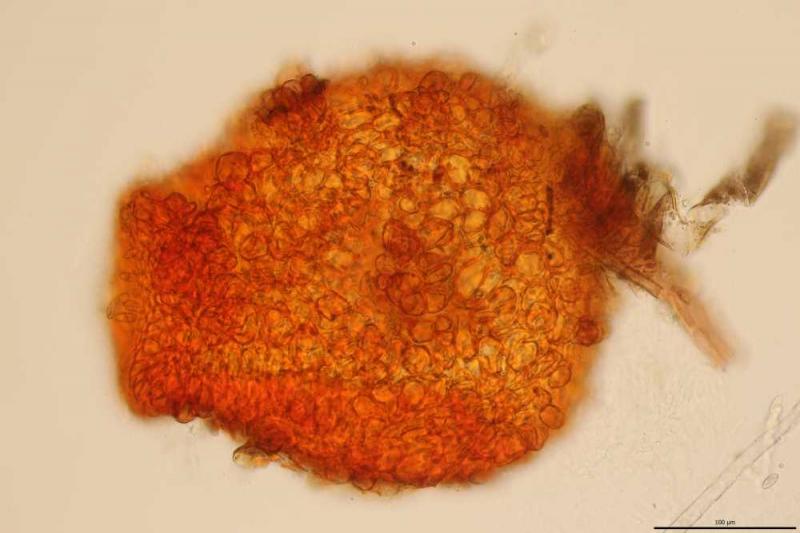
while making a section of Scutellinia olivascens using the stereomicroscope, I noticed little scarlet nectrioid fungi growing nearby.
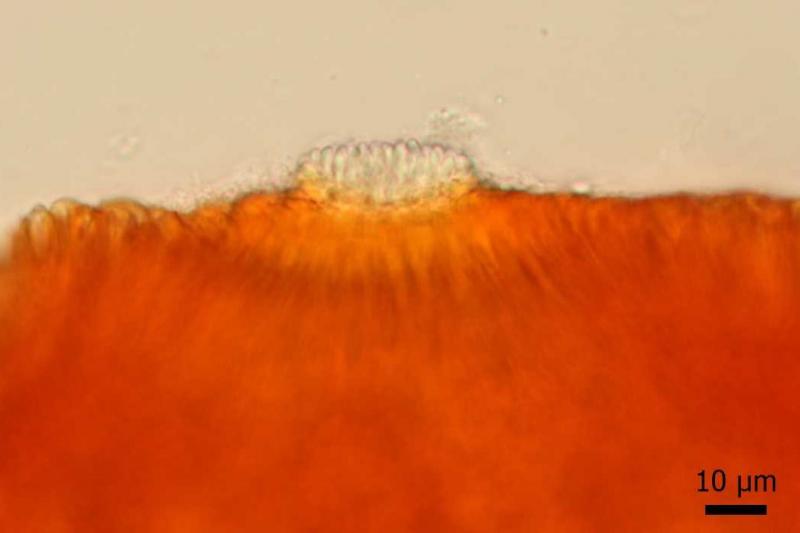
They are from the Czech Republic, from a locality in 180 m a.s.l., and were growing on tiny roots in a very wet place, close to a little pond (the most frequent tree in the locality is Salix). Apothecia grow in a group.
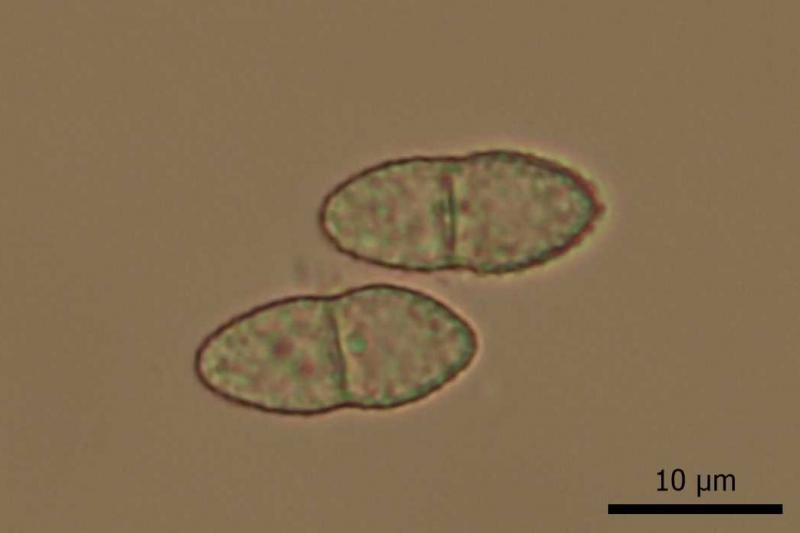
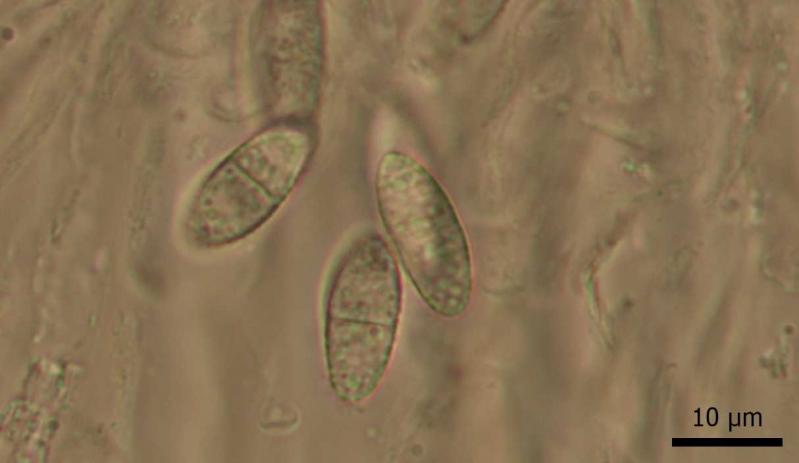
Ascospores distinctly warted, 1-septate, (14.9) 15.6 - 16 (16.2) × (6) 6.1 - 6.8 (6.9) µm, Q = 2.3-2.7
Me = 15.7 × 6.4 µm; Qe = 2.4
I used the key by Hirooka et al. 2012 (https://www.ncbi.nlm.nih.gov/pmc/articles/PMC3310236/)
It leads me to the point 19, when one has to decide between N. australiensis (a bit smaller ascospores + known from Oceania) and N. noackiana (totally wrong spore size + known from Brazil). When I make a compromise and jump on „known from alpine regions" (instead of temperate to subtropical), I would end at N. berberidicola. But the substrate in my collection is not Berberis :-)
Therefore, I think I am probably searching in a wrong genus.
Could you give me an advice, please?
Thank you, Zuzana
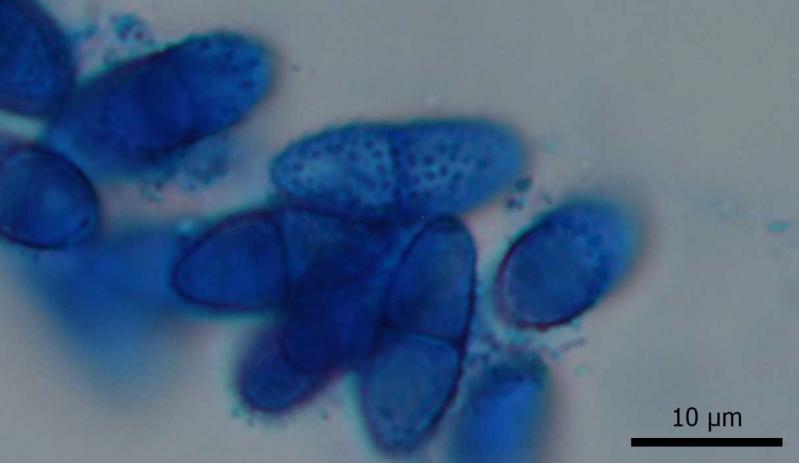
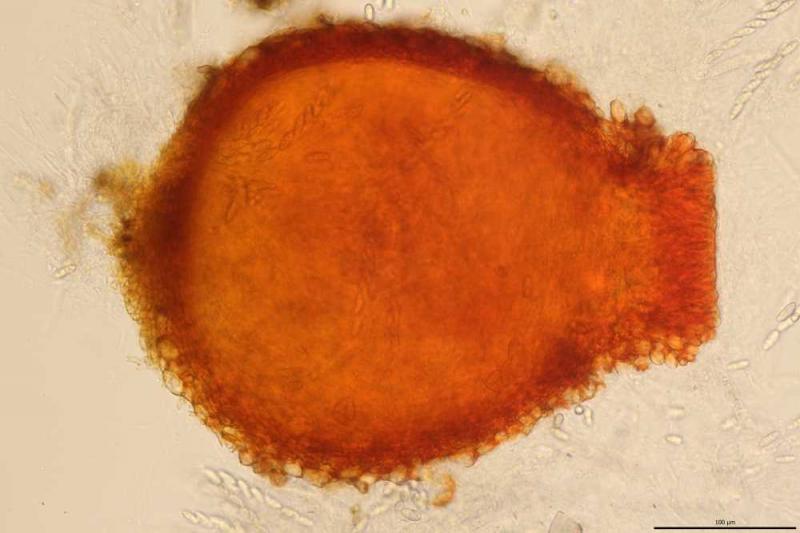
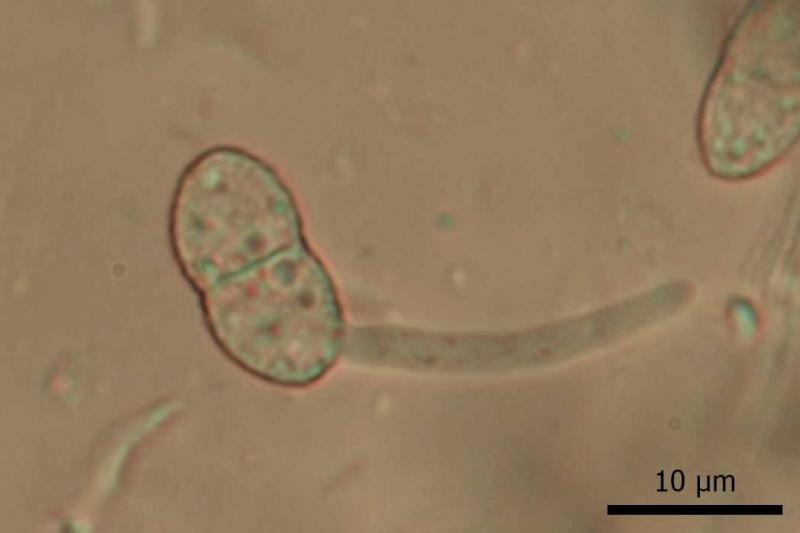

thank you very much!
It seems to be difficult to determine this fungus with certainty without cultivating or sequencing. According to this paper, the spores in my specimens are small for the true T. veullotiana, but species with a better fitting spore size are not known from Europe.
https://www.researchgate.net/publication/229015577_Multigene_phylogenetic_analyses_of_the_Thelonectria_coronata_and_T_veuillotiana_species_complexes#fullTextFileContent
Zuzana