
12-06-2026 14:50
 François Freléchoux
Bonjour, Voici la brève description d'une Mollis
10-06-2026 21:16
François Freléchoux
Bonsoir,Le dernier du jour, en attendant votre avi
11-06-2026 19:01
 William Slosse
Hello all,In an attempt to make a culture of a sus
11-06-2026 19:03
 Nicolas VAN VOOREN
Chers membres d'Ascofrance,Le site sera placé en

09-06-2026 18:32
Camille MertensSur morceau de roseau immergé 0,5 - 0,7 mm de dia
10-06-2026 12:54
Steve ClementsBonjour encore, Pouvez-vous m'aider, s'il vous pl
10-06-2026 21:07
François Freléchoux
Toutes les tiges de gentianes jaunes de l'an passÃ
10-06-2026 13:41
François Freléchoux
Bonjour à nouveau, Voici une trouvaille d'hier.
Phaeohelotium vernum now?
Zuzana Sochorová (Egertová),
12-09-2021 11:51
 Hello,
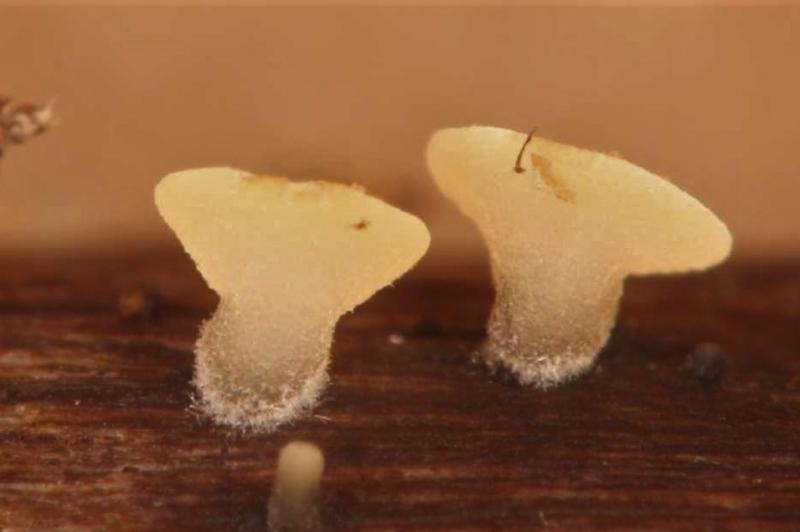
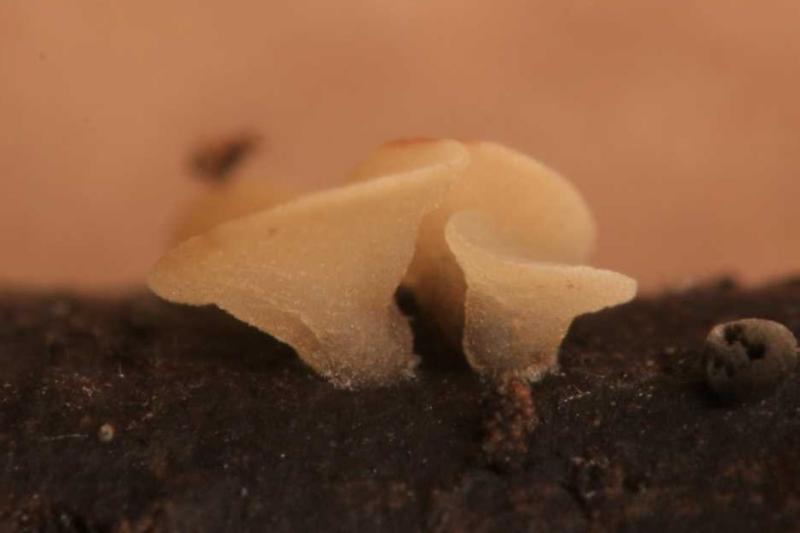
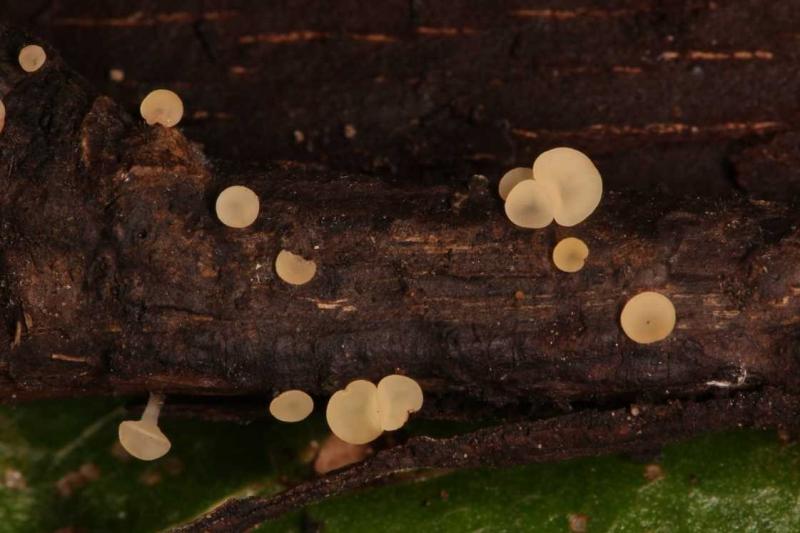
yesterday I have collected this ascomycete - using the key by Bernard Declerq, I am coming to Phaeohelotium vernum.
Czech Republic: Moravia, 180 m a.s.l., on wet twig of Alnus or Salix.
Apothecia up to 2 mm in diam., stipitate, whitish, redenning.
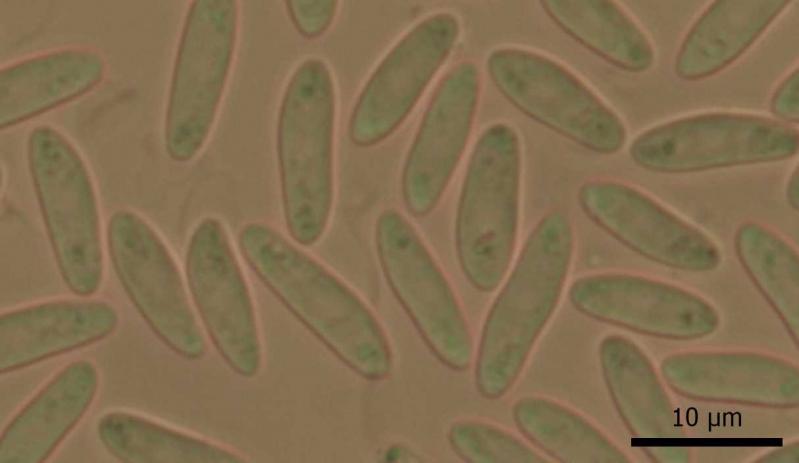
Ascospores (9.2) 10.7 - 12.6 (13.2) × (3.2) 3.3 - 3.6 (3.9) µm
Q = (2.9)3-3.6(3.8) (n = 50), Me = 11.4 × 3.5 µm; Qe = 3.3
OCl = ca 1
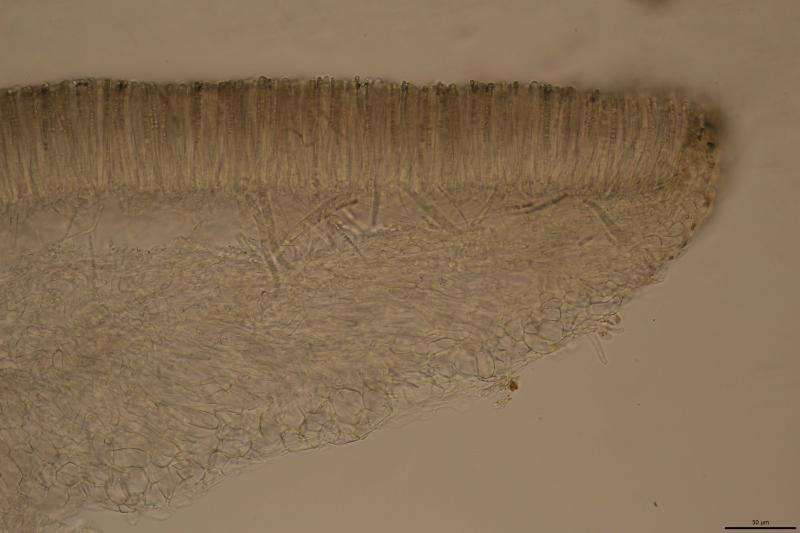
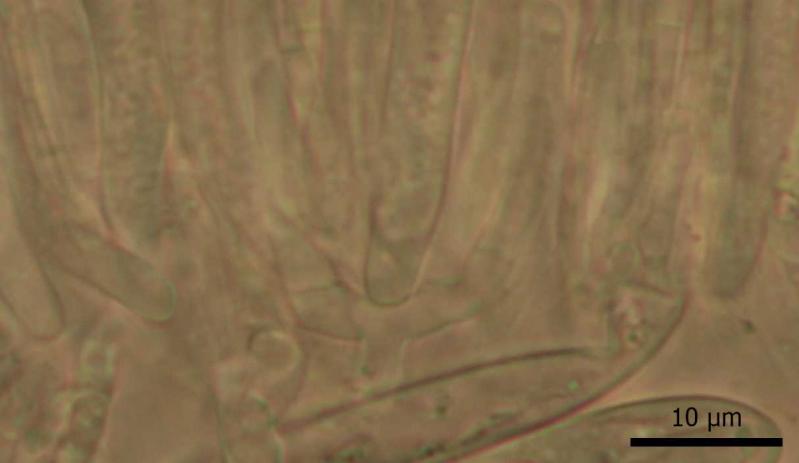
Asci 72-78 × 6.5-7.6 µm, IKI bb, arising from simple septa.
Paraphyses containing strongly refractive VBs (similar ones are also in the outermost cells of ectal excipulum.
In the key, phenology is given as (II)IV-VI(XI) - so, no problem with P. vernum?
Thank you, Zuzana
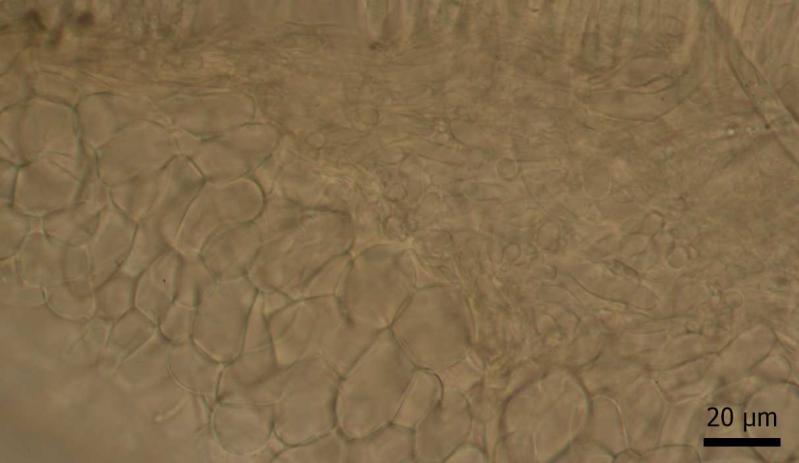
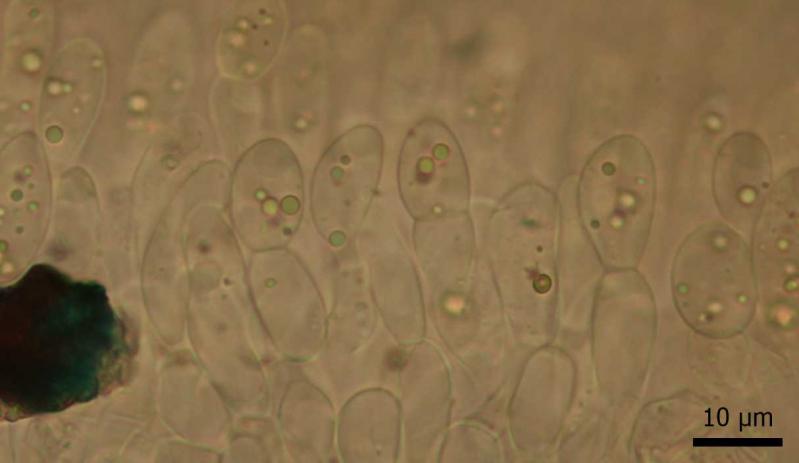
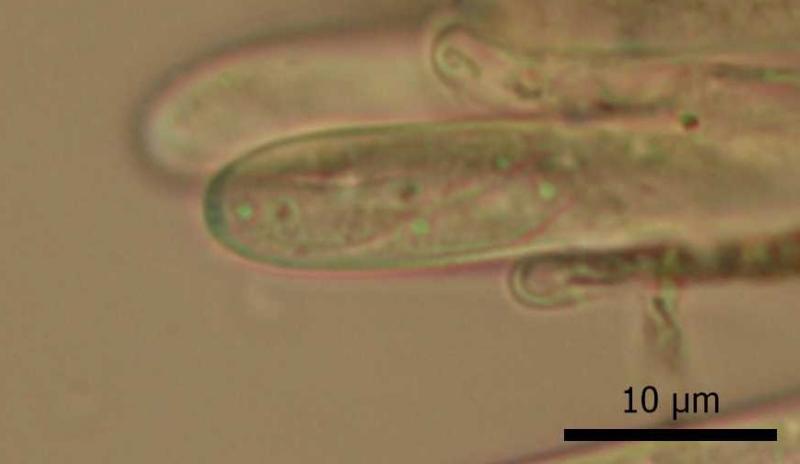
Zuzana Sochorová (Egertová),
12-09-2021 11:53
Re : Phaeohelotium vernum now?
More photos
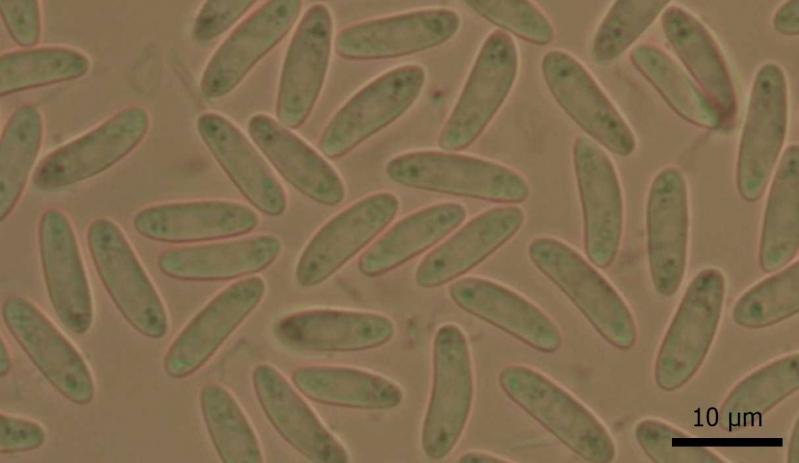
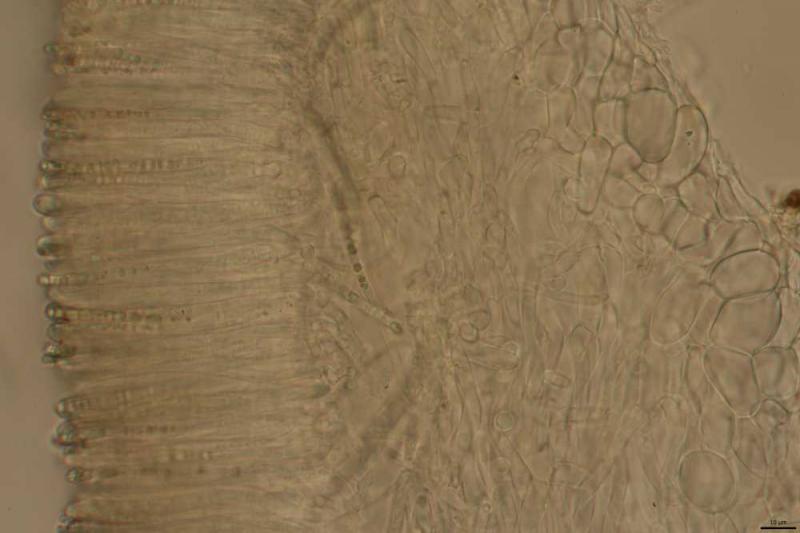
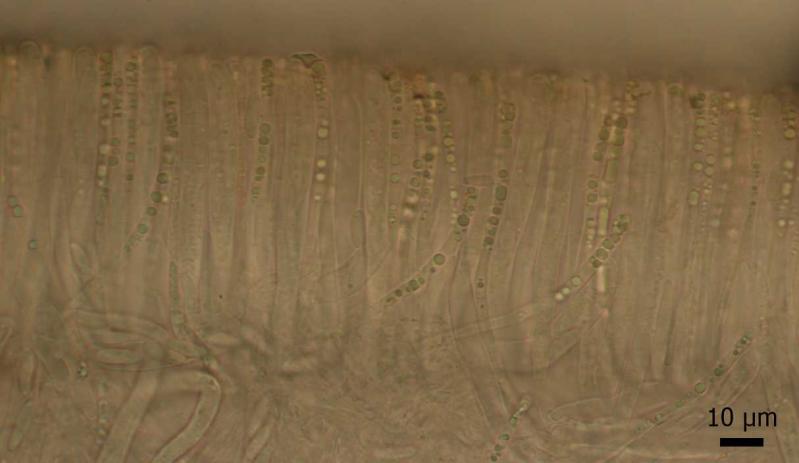
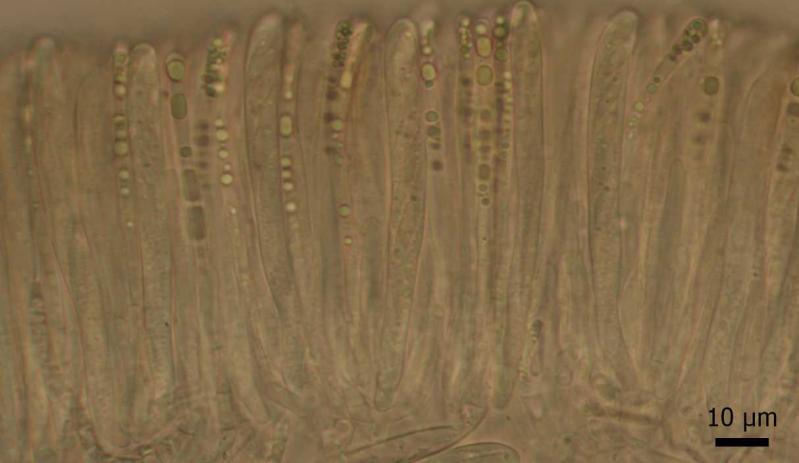
Hans-Otto Baral,
12-09-2021 12:14

Re : Phaeohelotium vernum now?
This is typical H. vernus, yes. Alnus and Salix are easily distinguished from the wood.
Zuzana Sochorová (Egertová),
12-09-2021 12:36
Re : Phaeohelotium vernum now?
Hi Zotto,
thank you very much.
I have here several other fresh species I have to work on, but maybe later I will have time to check the substrate.
Zuzana
thank you very much.
I have here several other fresh species I have to work on, but maybe later I will have time to check the substrate.
Zuzana
Zuzana Sochorová (Egertová),
13-09-2021 21:08
Re : Phaeohelotium vernum now?
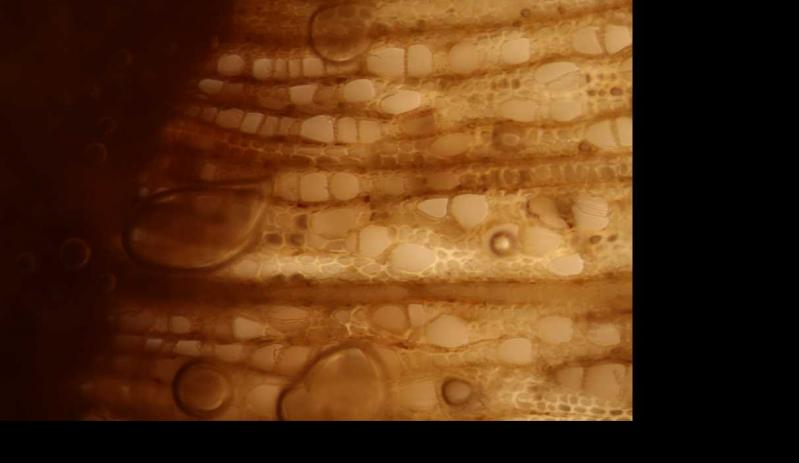
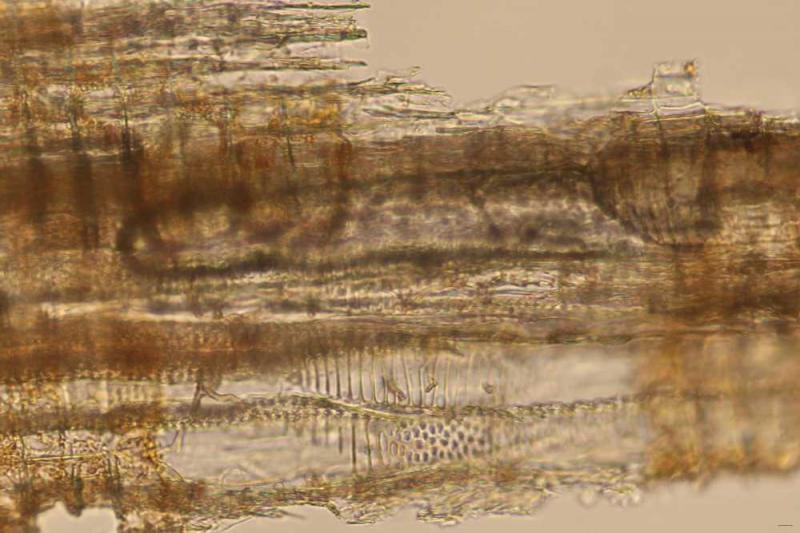
I think the wood is rather Alnus, due to the "ladders".
Hans-Otto Baral,
14-09-2021 08:23
Re : Phaeohelotium vernum now?
exactly! Salix doesn't have that. Only Betula is similar to Alnus.
Zuzana Sochorová (Egertová),
14-09-2021 08:31
Re : Phaeohelotium vernum now?
Super, thanks for confirmation.