
12-06-2026 14:50
 François Freléchoux
Bonjour, Voici la brève description d'une Mollis
10-06-2026 21:16
François Freléchoux
Bonsoir,Le dernier du jour, en attendant votre avi
11-06-2026 19:01
 William Slosse
Hello all,In an attempt to make a culture of a sus
11-06-2026 19:03
 Nicolas VAN VOOREN
Chers membres d'Ascofrance,Le site sera placé en

09-06-2026 18:32
Camille MertensSur morceau de roseau immergé 0,5 - 0,7 mm de dia
10-06-2026 12:54
Steve ClementsBonjour encore, Pouvez-vous m'aider, s'il vous pl
10-06-2026 21:07
François Freléchoux
Toutes les tiges de gentianes jaunes de l'an passÃ
10-06-2026 13:41
François Freléchoux
Bonjour à nouveau, Voici une trouvaille d'hier.
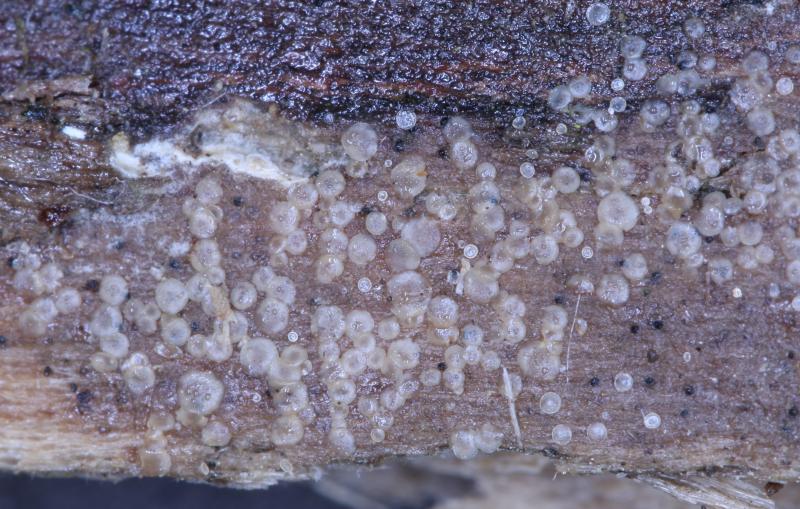
Hyalorbilia on Tilia
Zuzana Sochorová (Egertová),
26-07-2021 22:17
 Hello,
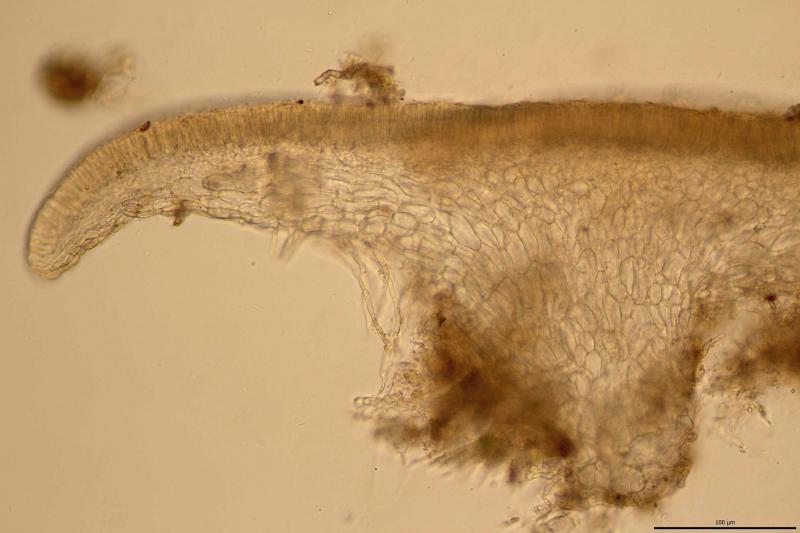
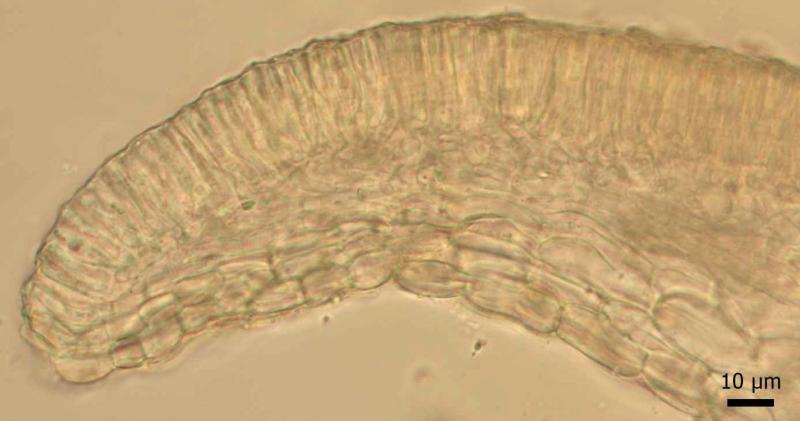
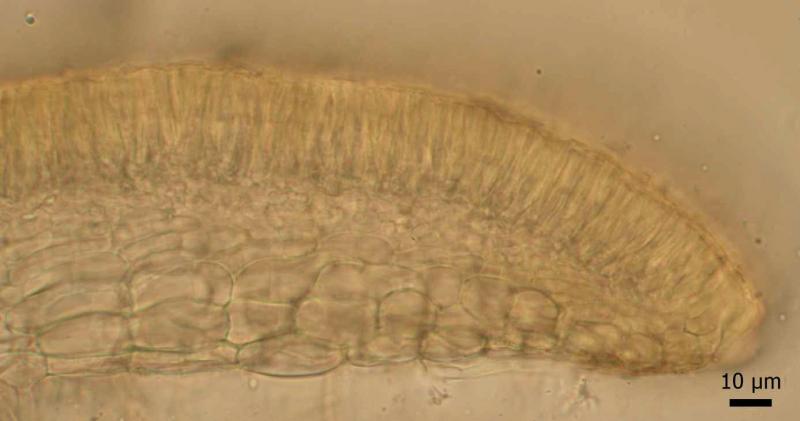
 this Hyalorbilia is from the Czech Republic, collected on a wet decaying twig of Tilis (ca 8 cm thick), in a castle park, 400 m a.s.l.
Asci 18 - 25 × 3.2 - 4.1 µm, 8-spored, base unstalked, unbranched.
Pars sporifera 8.3-10.6 µm.
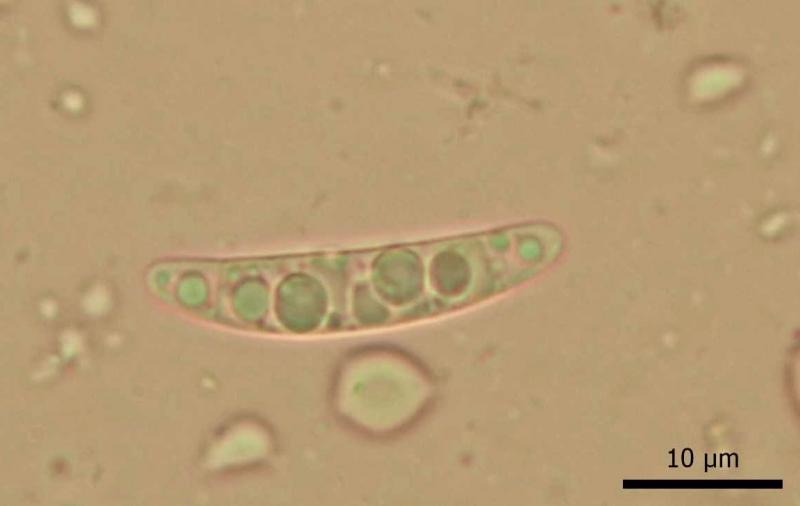
Ascospores (4.2) 4.9 - 5.7 (5.8) × (0.7) 0.8 - 1 (1.1) µm, straight, with 1 SB near each pole.
Q = 4.4-7.6, Me = 5.2 × 0.9 µm; Qe = 6
Conidia 22 - 27 × 4.9-5.1 µm, unbranched, septate.
Using the key to Hyalorbilia in the monograph, I am coming somewhere around H. japonica (distribution not fitting), H. oreadum and H. herbicola (substrate not fitting + a bit deviating width of spores). So, could this be H. oreadum?
Thanks, Zuzana
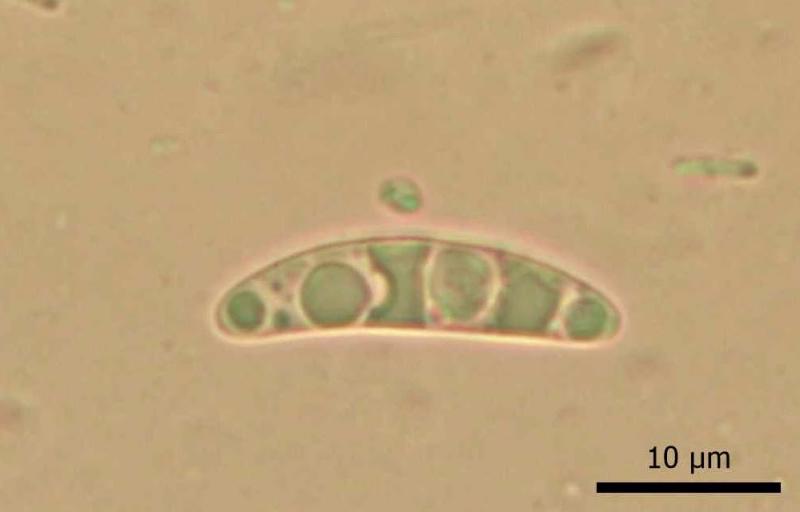
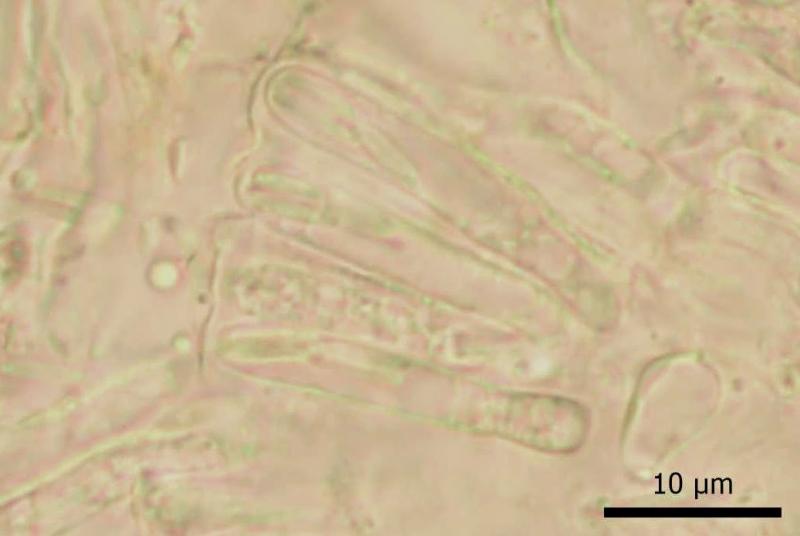
Zuzana Sochorová (Egertová),
26-07-2021 22:18
Re : Hyalorbilia on Tilia
more
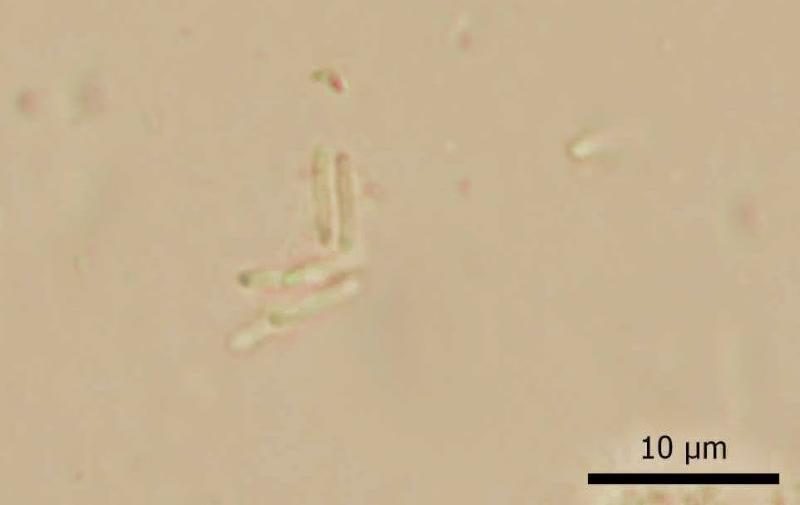
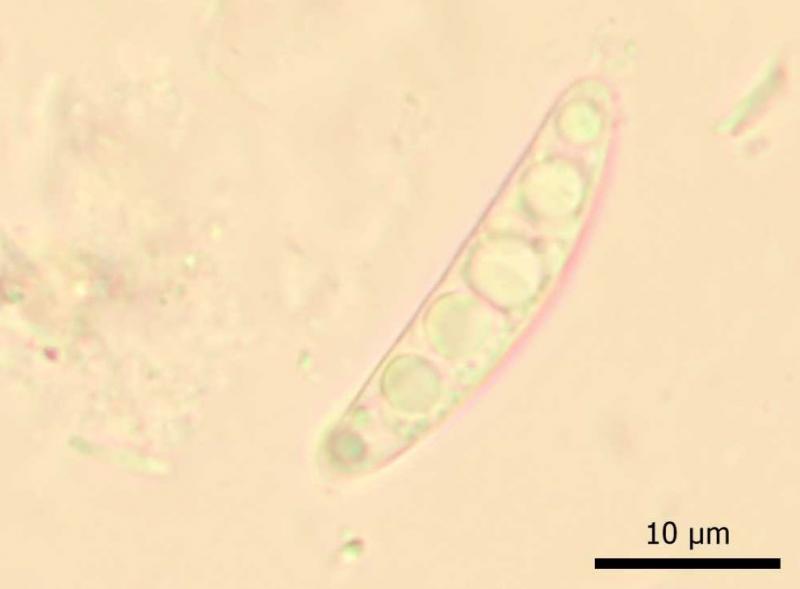
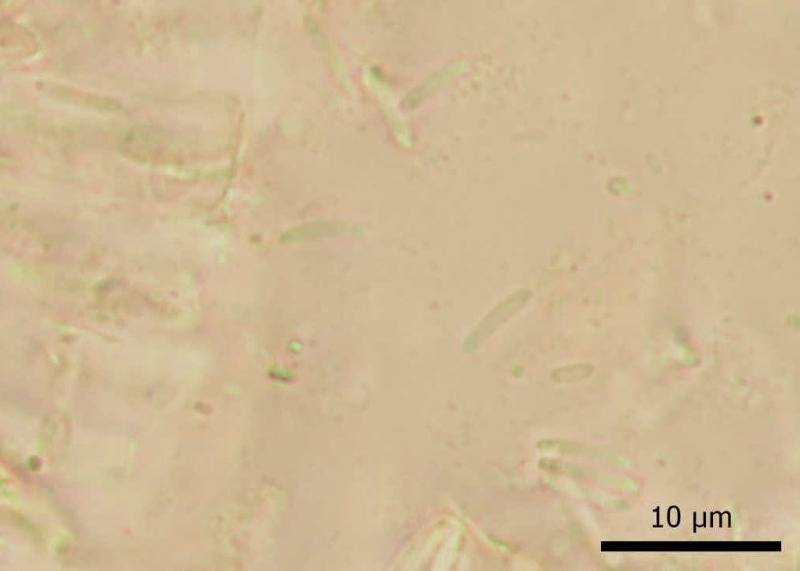
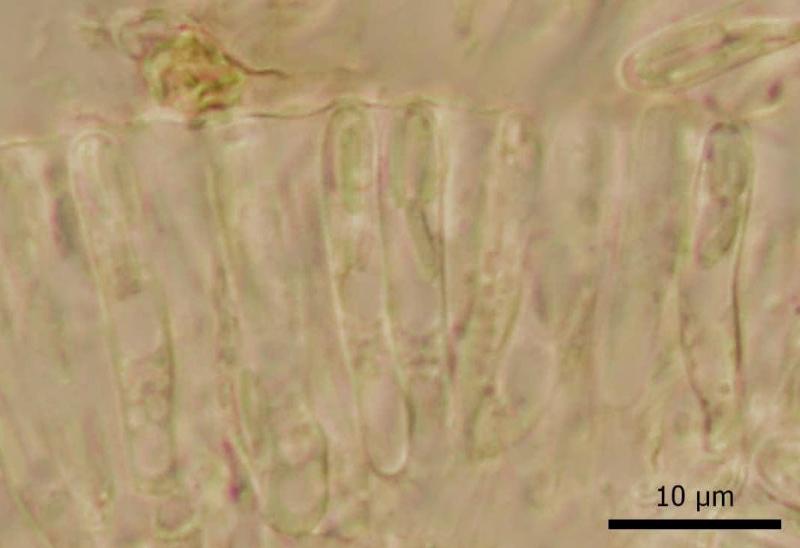
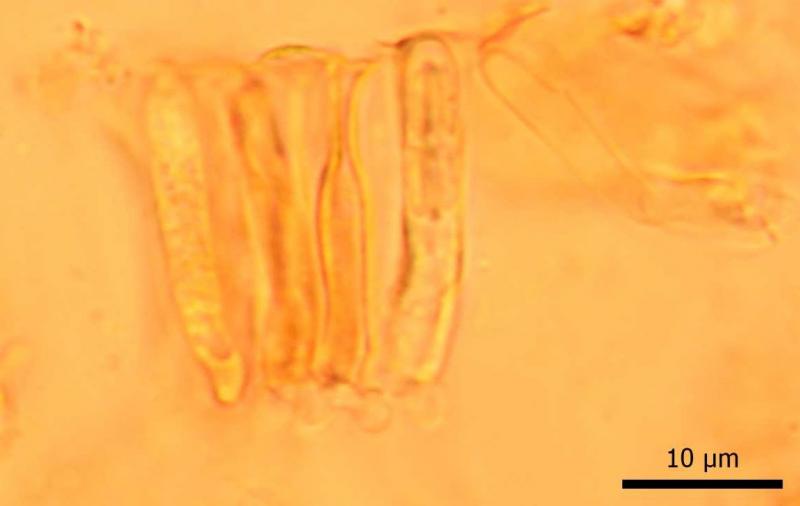
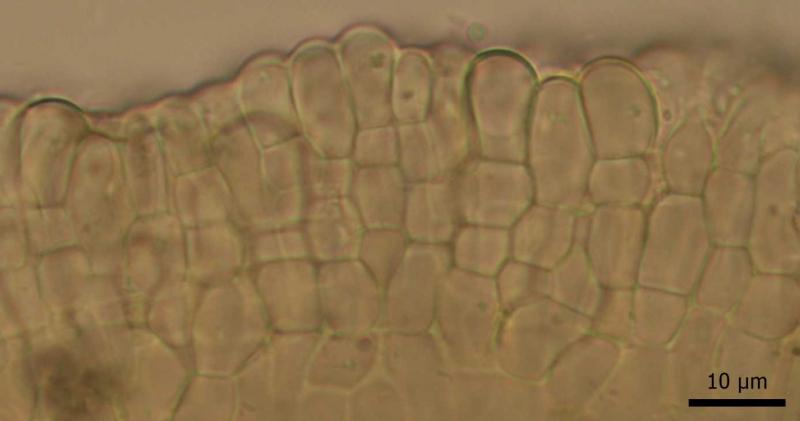
Zuzana Sochorová (Egertová),
26-07-2021 22:19
Re : Hyalorbilia on Tilia
macro
Hans-Otto Baral,
26-07-2021 22:33

Re : Hyalorbilia on Tilia
My first idea would have been H. inflatula with wide marginal cells. But spores are a bit short. H. oreadum is not very clear because of too few collections.
H. inflatula is not clear as to how many species are hidden behind it.
When you go to Plate 77 fig. 9 you can see a spore size just as in yours.
Zuzana Sochorová (Egertová),
26-07-2021 22:54
Re : Hyalorbilia on Tilia
Thanks a lot, Zotto. Yes, the elements are a bit shorter than should be typical for inflatula.