12-06-2026 14:50
 François Freléchoux
Bonjour, Voici la brève description d'une Mollis
10-06-2026 21:16
François Freléchoux
Bonsoir,Le dernier du jour, en attendant votre avi
11-06-2026 19:01
 William Slosse
Hello all,In an attempt to make a culture of a sus
11-06-2026 19:03
 Nicolas VAN VOOREN
Chers membres d'Ascofrance,Le site sera placé en

09-06-2026 18:32
Camille MertensSur morceau de roseau immergé 0,5 - 0,7 mm de dia
10-06-2026 12:54
Steve ClementsBonjour encore, Pouvez-vous m'aider, s'il vous pl
10-06-2026 21:07
François Freléchoux
Toutes les tiges de gentianes jaunes de l'an passÃ
10-06-2026 13:41
François Freléchoux
Bonjour à nouveau, Voici une trouvaille d'hier.
Does anyone know this species of Helicogonium.
Yesterday I found him, examining Pyrenopeziza dilutella, growing on Rubus.
All photos come from one Ascomata which was strong infected.
I found two forms:
1) growing on the exterior surface at the base ascomata
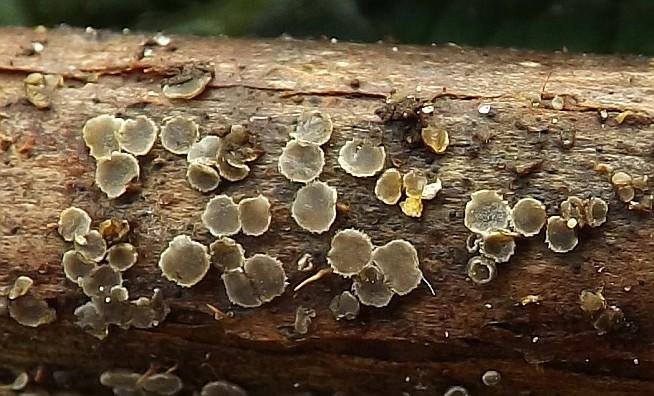
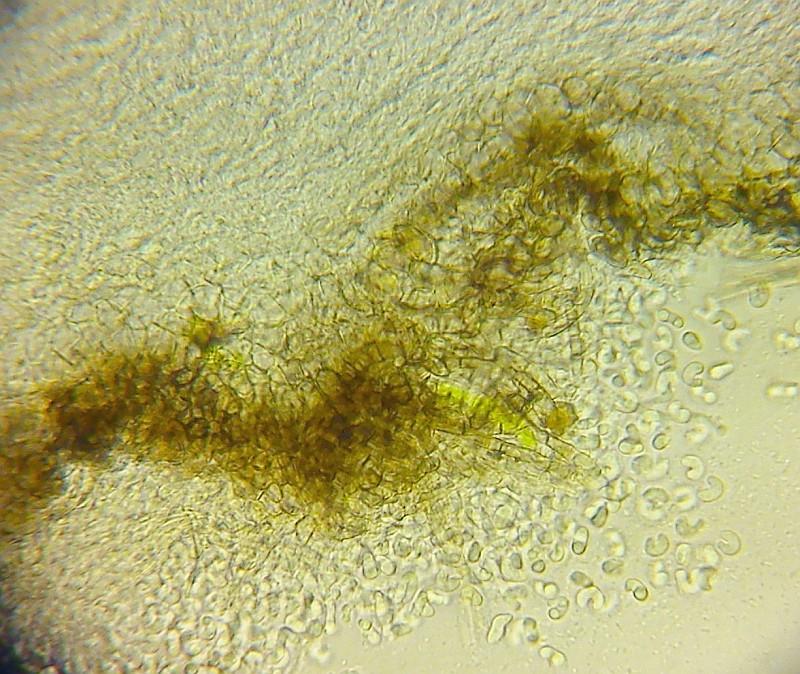
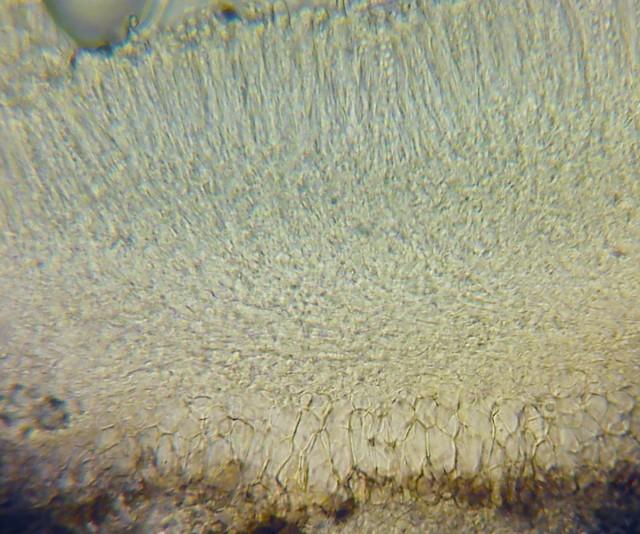
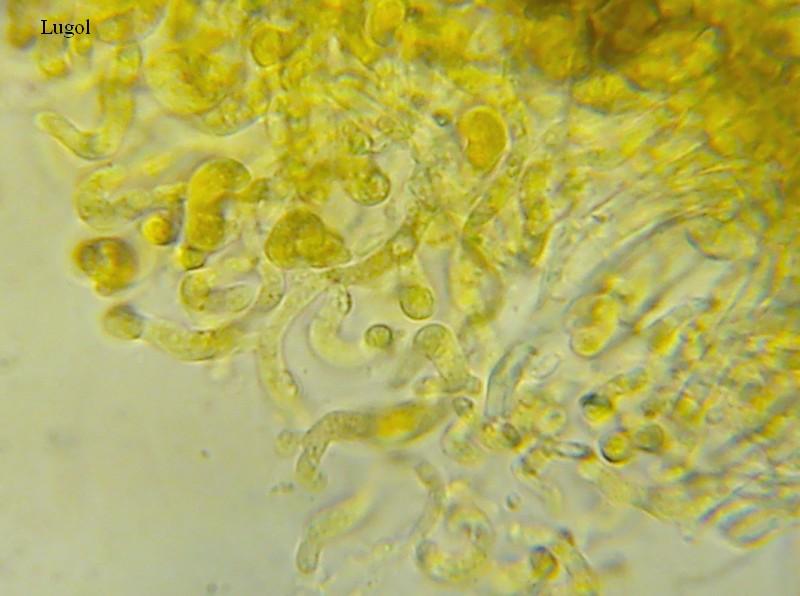
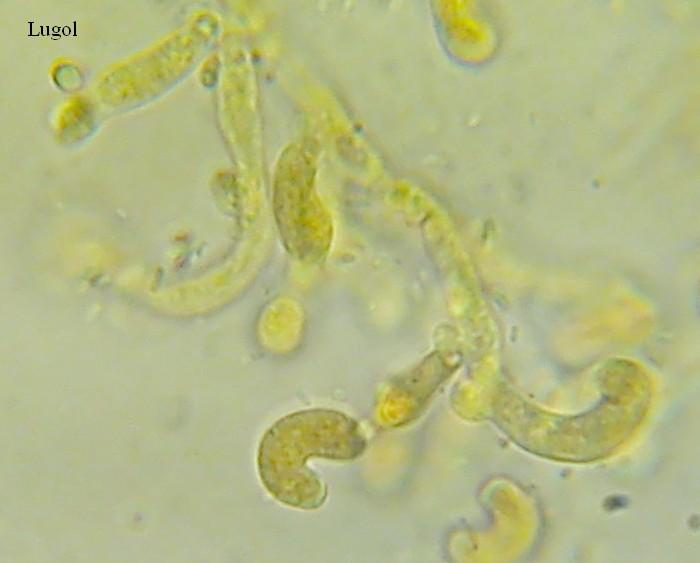
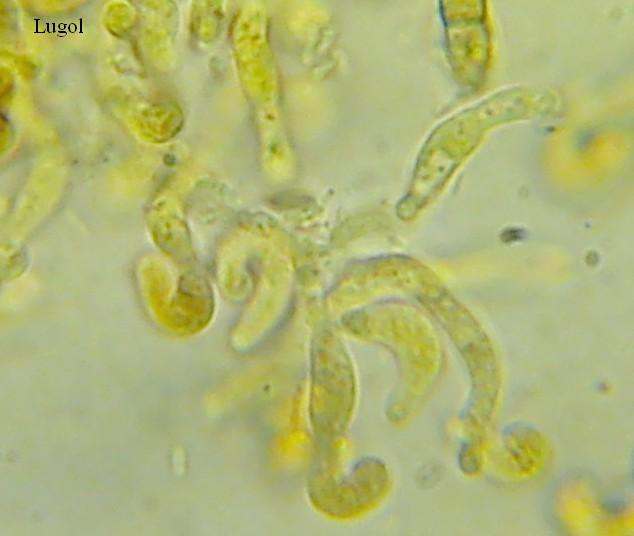
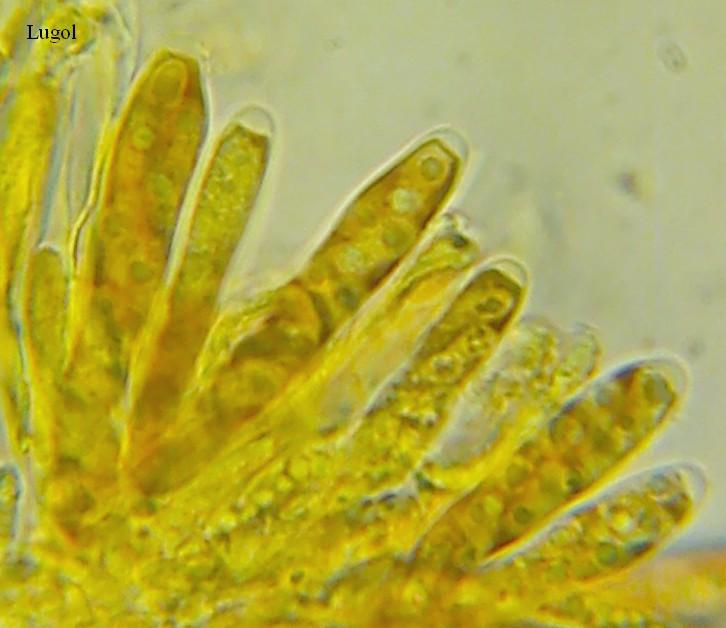
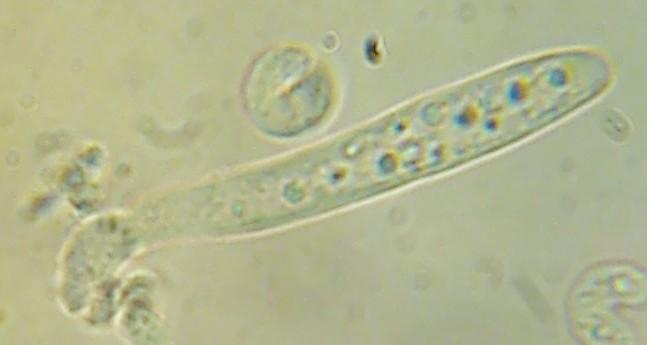
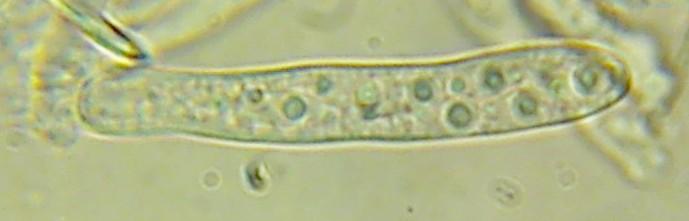
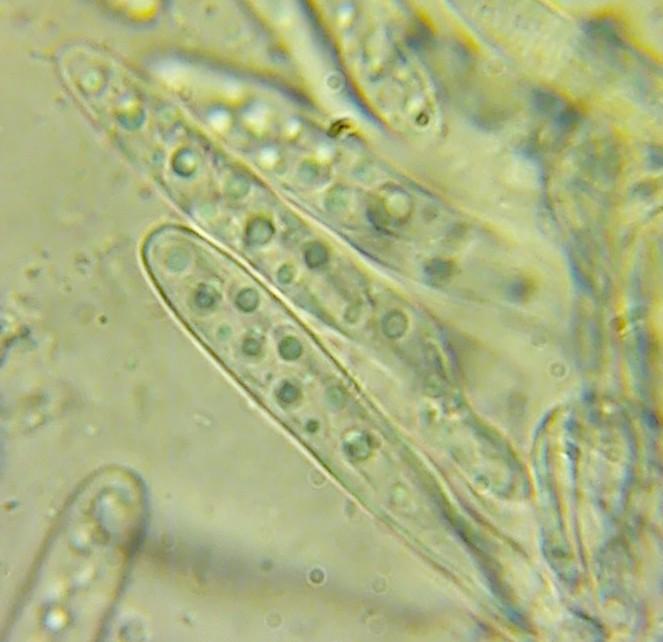
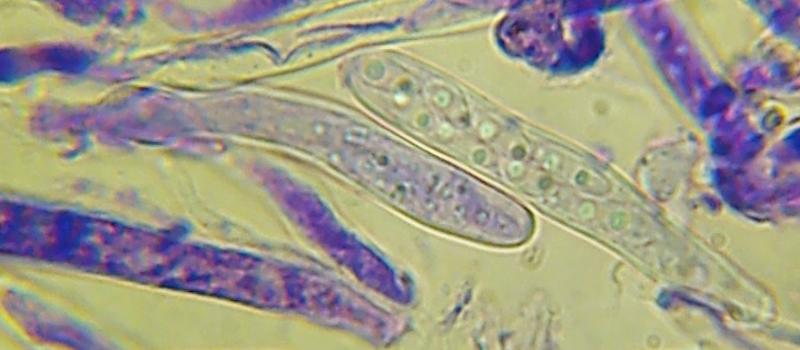

Yesterday I found only one Ascomatra from ASCI Helicogonium. Ascomata fragment I used to microscopy. The remaining part lost.
I keep my vivid collection, I will still study. I have not measured spores yet.
I browsed your disk yesterday. I also came to H. Trabinelloides. A very similar collection of Piotr P.
I also looked through other collections but there are only ASCI everywhere?
If I find any more infected fruit bodies, I will try to give more data.Difficult species for observation.
Thank you
Mirek
Measurement not very precise, spores measured in asci, but they are normal.
Length slightly smaller but I suspect Ascomata too young, which is why I can not get free spores.
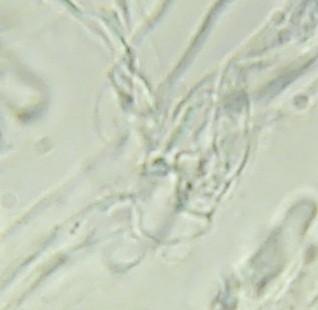
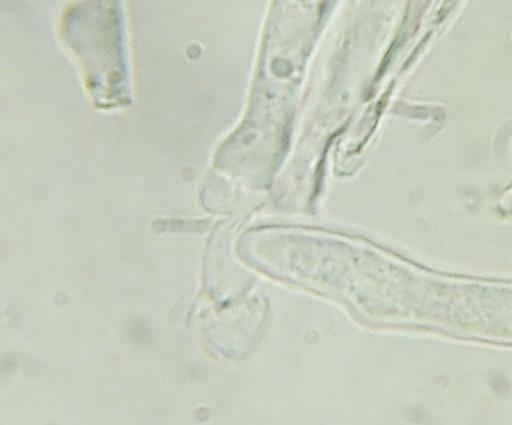
Asci with croziers, although it's quite hard to observe.
The type you specified could be appropriate.
An unexplained issue of the second form remains? Can they have a relationship between each other?
greetings
Mirek