
12-06-2026 14:50
 François Freléchoux
Bonjour, Voici la brève description d'une Mollis
10-06-2026 21:16
François Freléchoux
Bonsoir,Le dernier du jour, en attendant votre avi
11-06-2026 19:01
 William Slosse
Hello all,In an attempt to make a culture of a sus
11-06-2026 19:03
 Nicolas VAN VOOREN
Chers membres d'Ascofrance,Le site sera placé en

09-06-2026 18:32
Camille MertensSur morceau de roseau immergé 0,5 - 0,7 mm de dia
10-06-2026 12:54
Steve ClementsBonjour encore, Pouvez-vous m'aider, s'il vous pl
10-06-2026 21:07
François Freléchoux
Toutes les tiges de gentianes jaunes de l'an passÃ
10-06-2026 13:41
François Freléchoux
Bonjour à nouveau, Voici une trouvaille d'hier.
Stictis sps on wood
Hardware Tony,
24-01-2021 20:21
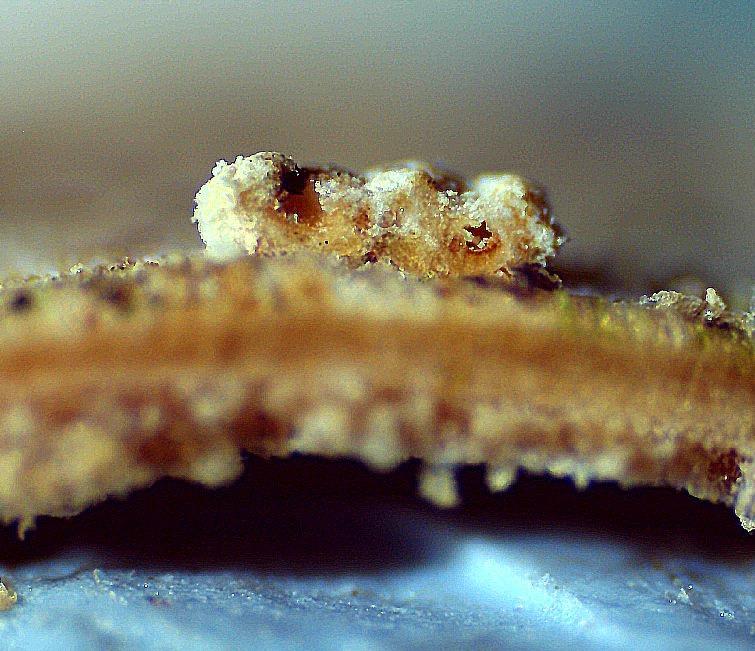
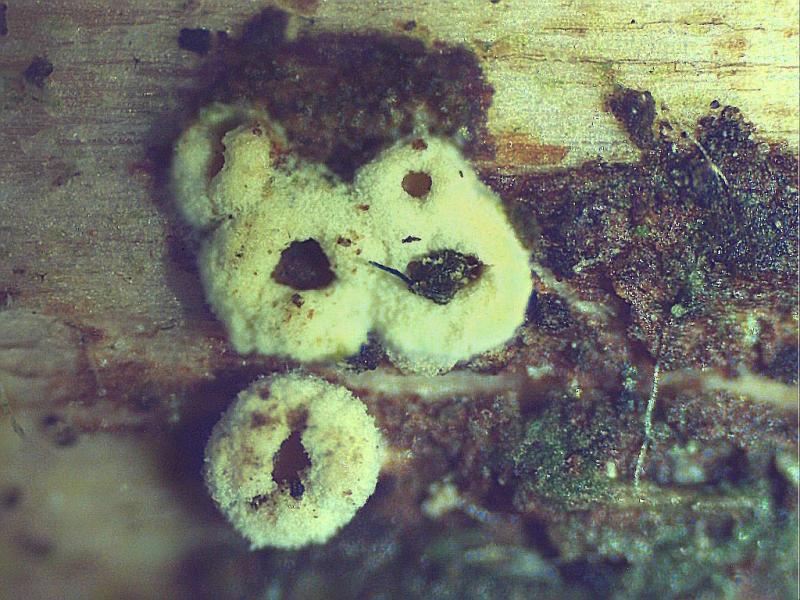
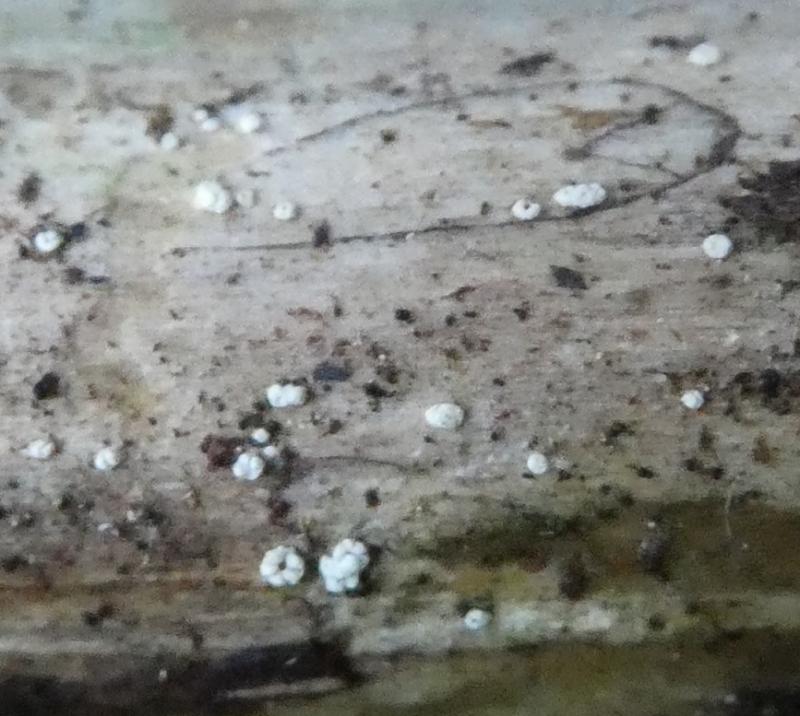
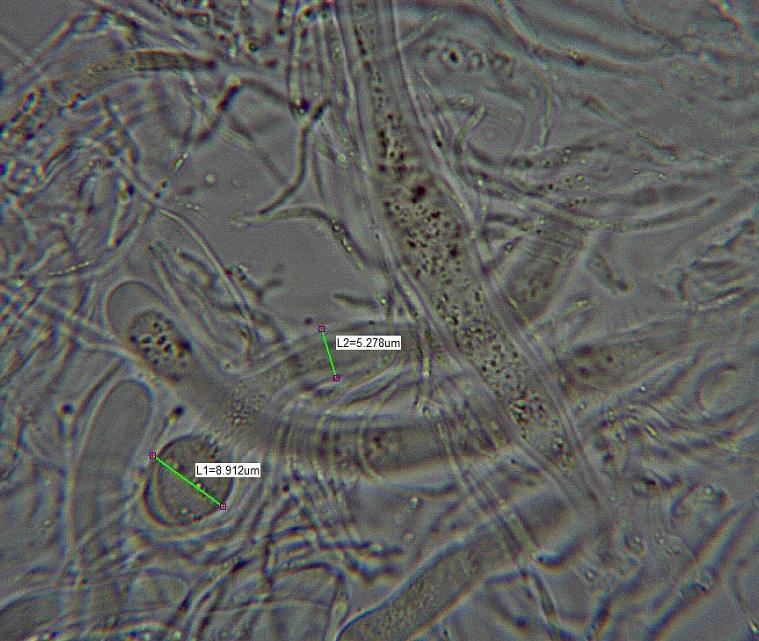
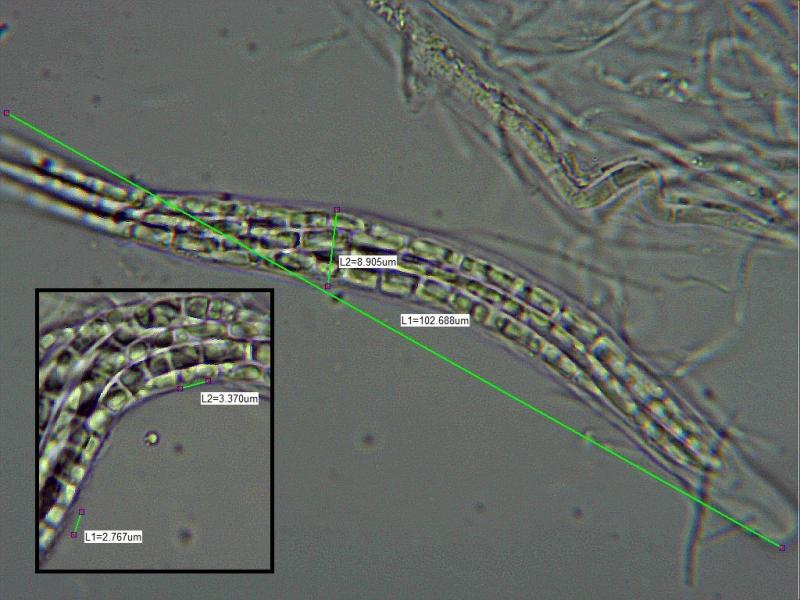
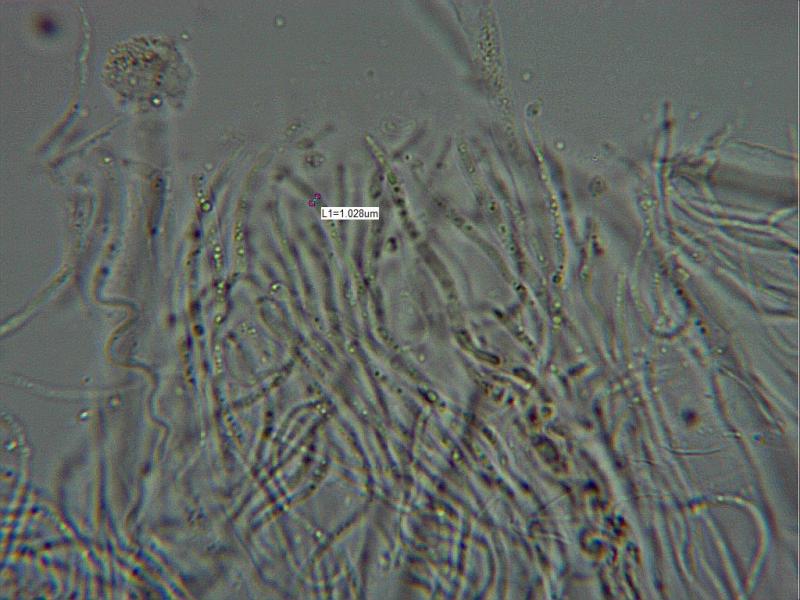
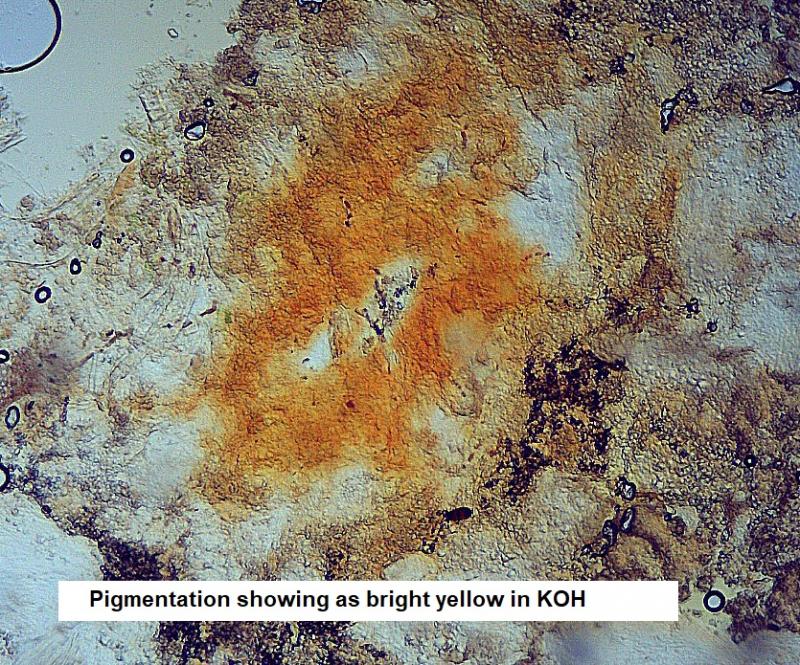
 I found under Picea albies branch on the ground a Stictis sps unlike any I can give a name to from the more common species most of which are generally not found on bare wood, certainly not Picea or have much longer asci/ascospores. The key descriptions show smaller than usual spores and therefore asci with ascospores: 97-101 x 2.5µm and asci at under 130 - 100 x 9.5µm. 8-spored, non bluing. Ascospores thin walled, multiseptate at 3.25 - 4.87 cells widths. No anamorph observed. The ascomata showed itself as hairless and heavy coated white-pruinose covering, producing highly bright yellow pigmentation in KOH. I have only found one ref to anything similar and this was at 'Fungi of GB and Ireland' quoted as Stictis sps P3971 see at: www.fungi.myspecies.info/all-fungi/stictis-sp-p3971 Wonder if anyone has any idea, access to keys, or suggestions. Stictis confusum, S. populorum and S. mollis were all contenders but fell down for one reason or another. All on wood, with S. populorum found on Picea in Russia!
 Many thanks
Paul Cannon,
27-01-2021 16:43
Re : Stictis sps on wood
Hi Tony
I think your species is close to the "P3971" species on the FGBI website; the difference in ascospore cell size may just be variation in the number of times the cells divide after formation. It also appears to have a yellowish exciple rather than the pure white one for P3971.
However, your post prompted me to revisit the identification, and I now think that it is a species of Schizoxylon. The genus was traditionally separated from Stictis by the ascospores fragmenting into part-spores, as well as differences in the periphysoids, but not all species have spores that fragment. S. berkeleyanum also has a K+ yellow reaction and usually a pale yellow exciple, but has fragmenting ascospores - but this could be a factor of maturity. For the moment I will leave "my" species as indetermined [actually collected by Pauline Penna so arguably hers rather than mine!], but yours might well be berkeleyanum. If you have spare material I'd be happy to look at it...
The species on FGBI can now be found here - http://fungi.myspecies.info/all-fungi/schizoxylon-sp-p3971
Hardware Tony,
27-01-2021 19:04
Re : Stictis sps on wood
Hi Paul,
Glad you saw this, and excited to see that this has a possibility of being a Schizoxylon sps. I do have a few specimens left, so will send these to you as I should know your address! The asci and spores look very close to your measurements on your site. I also had occasional partially coiled spores.
Many thanks Tony
Glad you saw this, and excited to see that this has a possibility of being a Schizoxylon sps. I do have a few specimens left, so will send these to you as I should know your address! The asci and spores look very close to your measurements on your site. I also had occasional partially coiled spores.
Many thanks Tony