
12-06-2026 14:50
 François Freléchoux
Bonjour, Voici la brève description d'une Mollis
10-06-2026 21:16
François Freléchoux
Bonsoir,Le dernier du jour, en attendant votre avi
11-06-2026 19:01
 William Slosse
Hello all,In an attempt to make a culture of a sus
11-06-2026 19:03
 Nicolas VAN VOOREN
Chers membres d'Ascofrance,Le site sera placé en

09-06-2026 18:32
Camille MertensSur morceau de roseau immergé 0,5 - 0,7 mm de dia
10-06-2026 12:54
Steve ClementsBonjour encore, Pouvez-vous m'aider, s'il vous pl
10-06-2026 21:07
François Freléchoux
Toutes les tiges de gentianes jaunes de l'an passÃ
10-06-2026 13:41
François Freléchoux
Bonjour à nouveau, Voici une trouvaille d'hier.
Chlorencoelia versiformis
Eric Bionne,
06-11-2020 23:54

Bonjour à tous.
Je suis très heureux aujourd'hui car je pense avoir déniché cette espèce qui, d'après ce que je vois sur le site, n'a pas été recensée très souvent ( Michel H; Yannick M (2011); René Dougoud, Patrice Tanchaud et Nicolas V.W?
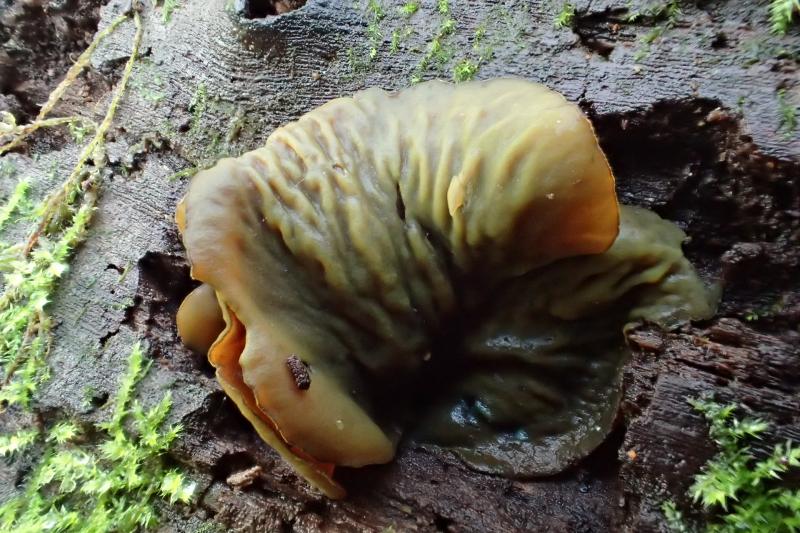
Première récolte Ardennaise si confirmée : En Forêt ancienne alluviale sur face infère d'un billon de Quercus en décomposition.
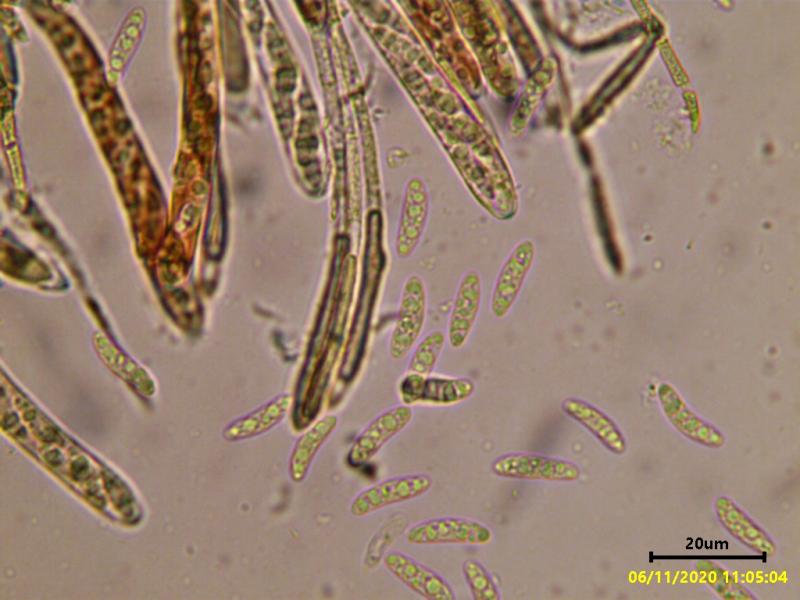
Fructif stipitée avec plis sur hymenium : de 05 à 20 mm jaune verdâtre moutarde.
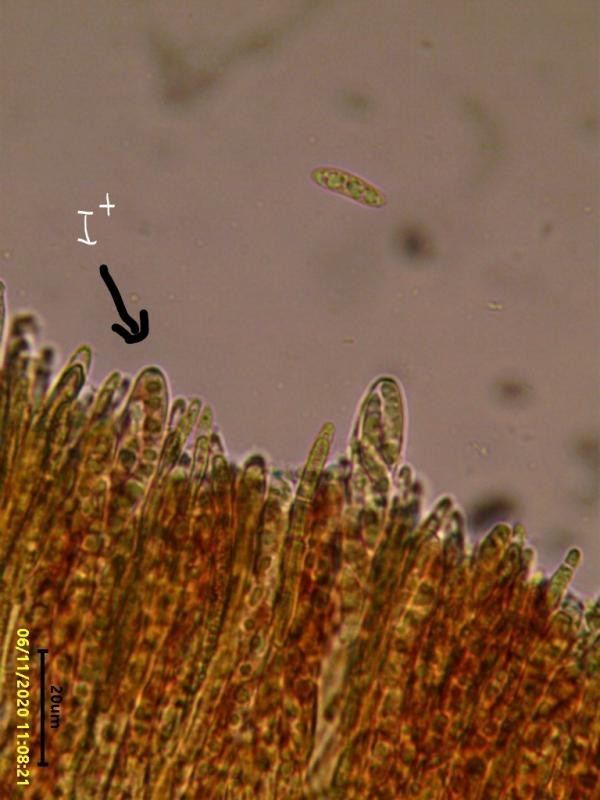
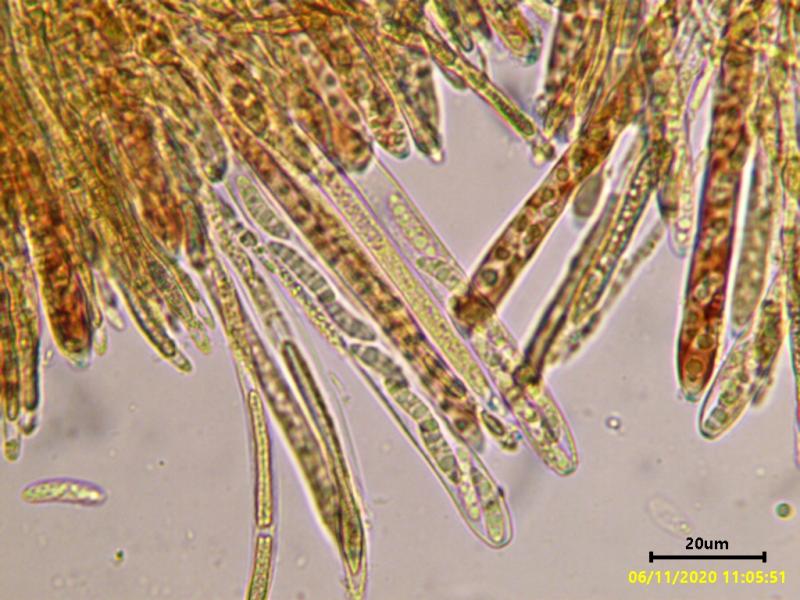
Asques J+ de 100 à 120 µ par 5µ
Paraphyses filiformes avec beaucoup de guttules larges d'environ 3.5µ.
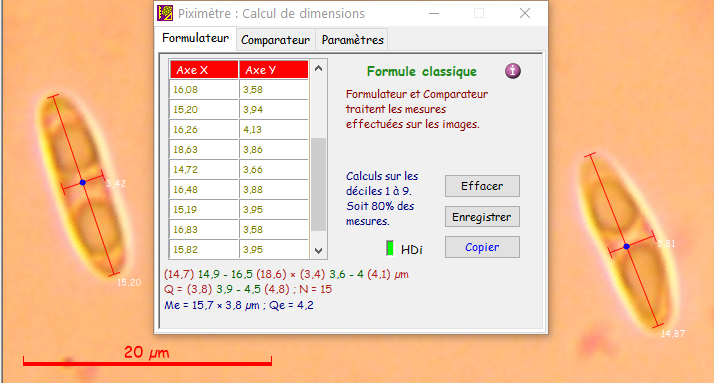
Spores arquées guttulées de 15 à 16 µ* 3.5 µ
Merci pour vos avis, rectifications et remarques.
Je suis intéressé pour connaître si possible la fréquence et ou l'existance d'autres récoltes et pour une aide à la méthodo pour un article si vous me confirmez .
Amicalement
Eric

Nick Aplin,
07-11-2020 01:30
Re : Chlorencoelia versiformis
Salut Eric,
Yes, you are right with your determination.
I recently wrote a fun article for my local record centre about C. versiformis which touches upon its UK distribution:
https://sxbrc.org.uk/recording/speciesOfTheMonth.php?spMonth=33
Amitiés,
Nick
Yes, you are right with your determination.
I recently wrote a fun article for my local record centre about C. versiformis which touches upon its UK distribution:
https://sxbrc.org.uk/recording/speciesOfTheMonth.php?spMonth=33
Amitiés,
Nick
Eric Bionne,
07-11-2020 21:58
Re : Chlorencoelia versiformis
Thank's a lot Nick !!
as you say so well: "Goblin's ear" :-) I also validate this name !
Can you tell me a little more about the red list projects in the UK concerning this species or rather its habitat I suppose.
Thank you
Amitiés
Eric
Nicolas VAN VOOREN,
09-11-2020 10:48
Re : Chlorencoelia versiformis
Retrouvé le mois dernier dans le Mercantour, sur la commune de Colmars-les-Alpes.
Eric Bionne,
09-11-2020 16:42
Re : Chlorencoelia versiformis
Merci pour ce retour.
Quelles autres données pouvez-vous me renseigner sur la fréquence des données et sa répartition, ou sa "rareté" chorologique? merci !
Eric
Nicolas VAN VOOREN,
10-11-2020 08:58
Re : Chlorencoelia versiformis
Tu peux trouver d'autres récoltes en consultant https://fongibase.adonif.fr/, le référentiel national.
Nick Aplin,
10-11-2020 21:38
Re : Chlorencoelia versiformis
Hi Eric
This species is known in my region mainly on decorticated Fraxinus wood (it especially seems to like logs sawn and arranged in piles), but it can also be found on other substrates, for example Fagus.
It's known both from wet habitats, near standing water, and on steep, well-drained calcareous slopes.
Here is a link to a database containing many of the UK records (note some are duplicates):
http://basidiochecklist.science.kew.org/BritishFungi/FRDBI/FRDBIrecord.asp?intGBNum=5682
It was included in two provisional UK Red lists and was protected by UK law under the Biodiversity Action Plan initiative. As far as I know we regrettably have few officially red listed fungi in the UK.
Best regards,
NIck
This species is known in my region mainly on decorticated Fraxinus wood (it especially seems to like logs sawn and arranged in piles), but it can also be found on other substrates, for example Fagus.
It's known both from wet habitats, near standing water, and on steep, well-drained calcareous slopes.
Here is a link to a database containing many of the UK records (note some are duplicates):
http://basidiochecklist.science.kew.org/BritishFungi/FRDBI/FRDBIrecord.asp?intGBNum=5682
It was included in two provisional UK Red lists and was protected by UK law under the Biodiversity Action Plan initiative. As far as I know we regrettably have few officially red listed fungi in the UK.
Best regards,
NIck