03-06-2026 14:39
Thomas FlammerApothecia yellow, glassy-transparent, 80 - 120 ymS
16-03-2014 13:39
 Enrique Rubio
HI to all I'm looking for B. Hein's article on Wi

02-06-2026 14:33
 Nicolas VAN VOOREN
Hello.I'm searching for a PDF copy of the followin
18-10-2022 00:12
Valencia Lopez Francisco JavierHola amigos/asRecientemente encontré esta colecci
02-06-2026 17:58
Louis DENYBonjour forum, Sur feuille de Populus tremula, en

28-07-2011 18:31
 Alex Akulov
Dear FriendsToday I made the pdf file of Velenovsk
I would like to identify a fungus, that I found on rabbit dung. I have observed some features and I think that the fungus belongs to Arnium, but I am not sure. There are also similar genera, par ex. Podospora (without pedicel).
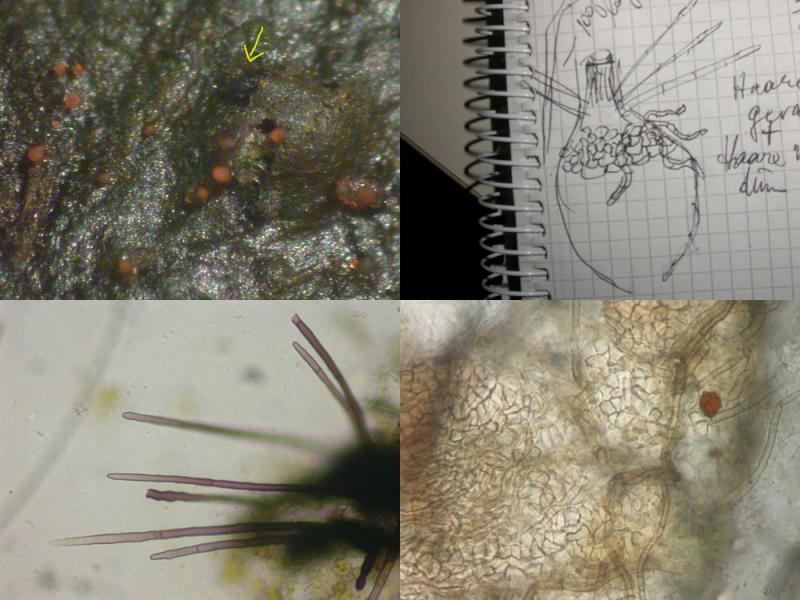
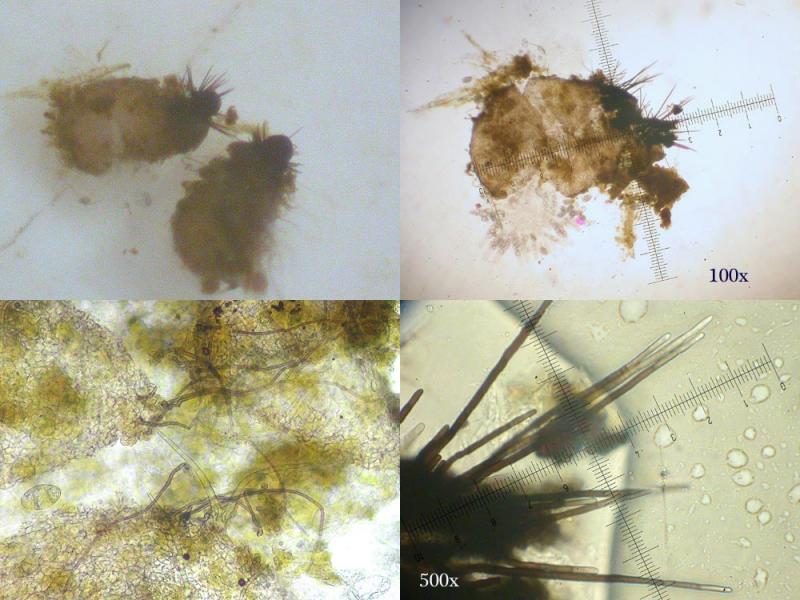
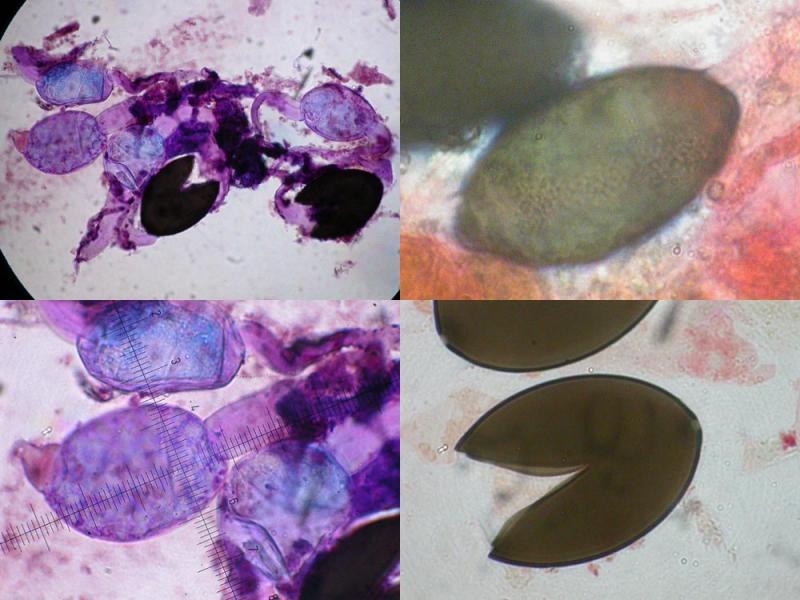
Perithecia pyriform 500-600 x 350-400 mcm.
The perithecial neck is covered with rigid brown polyseptate isolated hairs, up to 160 mcm long.
The outer side of the perithecium is covered with thin brown hairs.
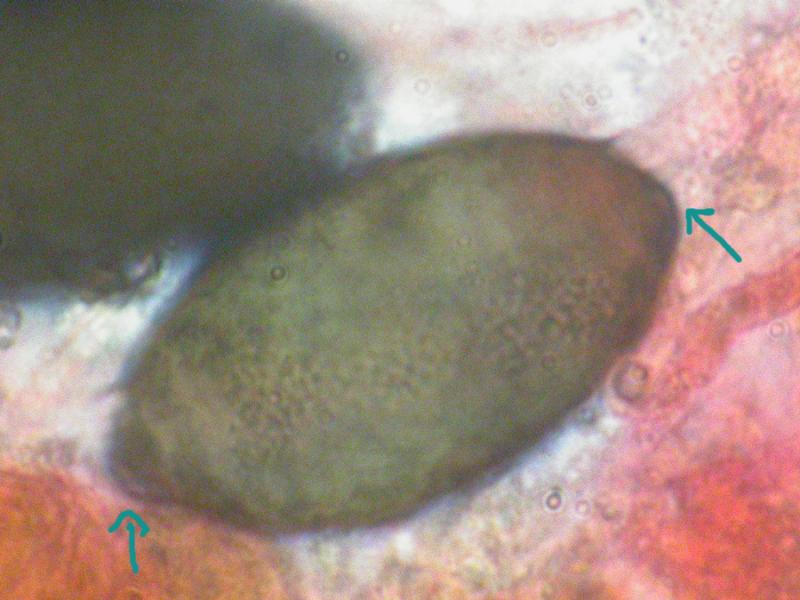
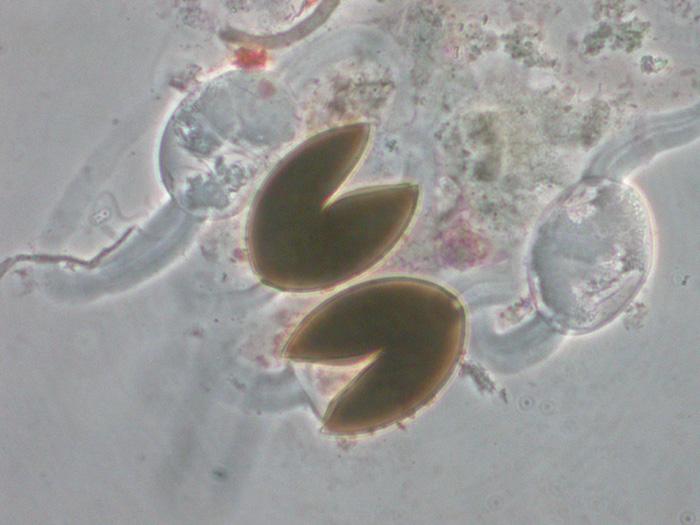
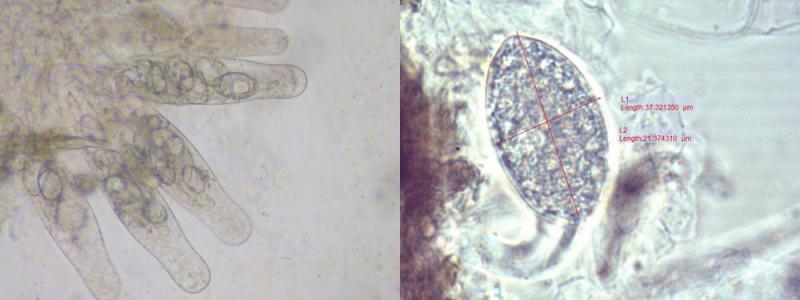
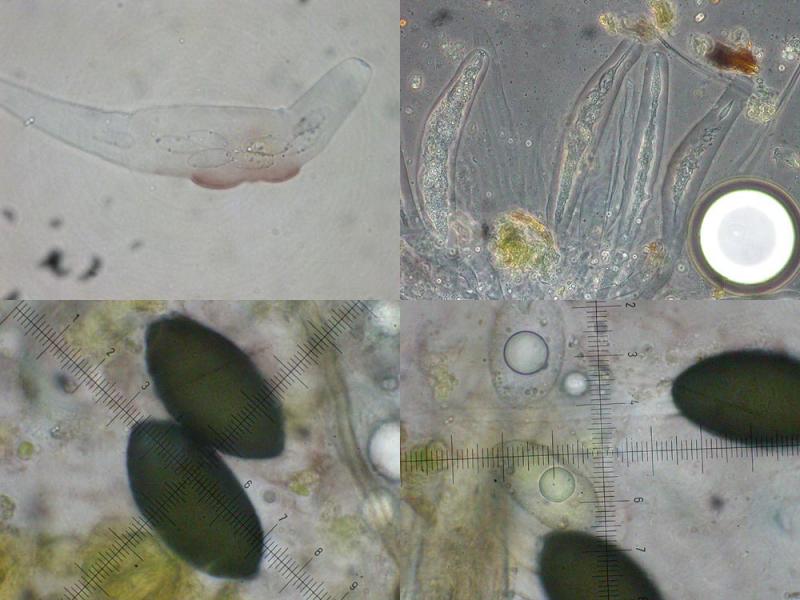
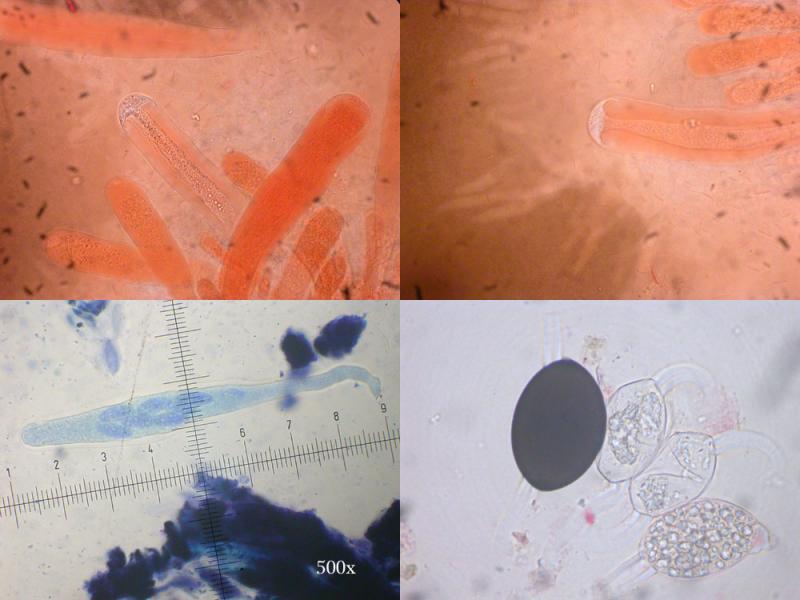
The 8-spored, more or less longstalked asci have equilateral biseriate spores. I cannot say, how many germ pores there are. I suppose, that there are 2. I cannot clear 100% this feature.
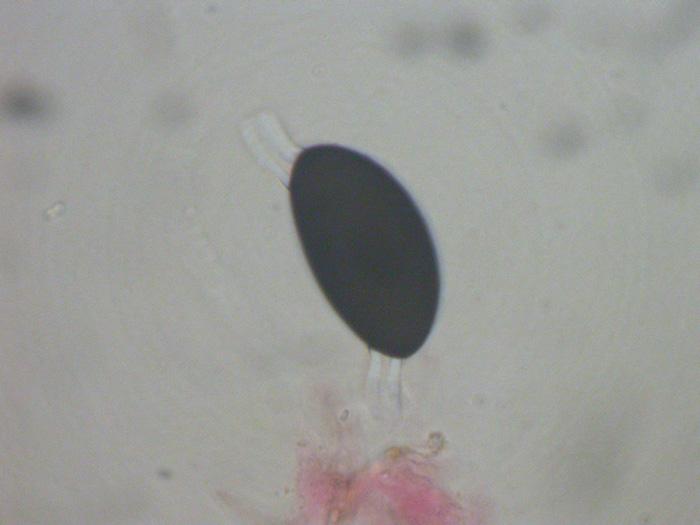
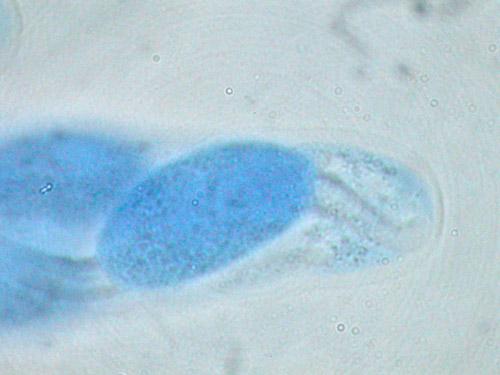
The spores with polar gelatinous caudae (one at each end) appears to be without pedicel.
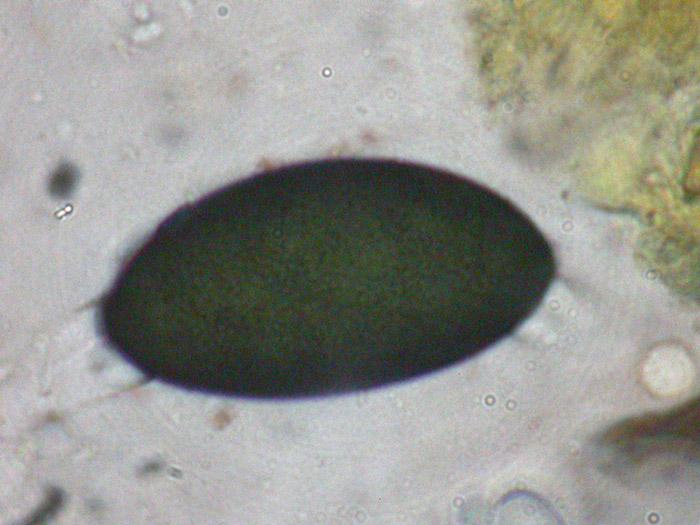
Spore size: (35) 36 – 40 (43) x 20 – 23 (30) mcm.
In cotton blue the apical ring of the asci is not visible, I think it is absent.
The eccentric caudae are thickwalled, from 50-100 mcm long, but often ruptured, so they appear shorter. It seems, that they have a middle channel (?).The caudae are very difficult to view.
Following the Doveri's key I came to Arnium hirtum, on condition that the asco is a Arnium and the asci are without apical ring and the spores have 2 germ pores.
Arnium cervinum is described as similar, but it occurs only on cervine dung.
I would be very happy for any suggestion how to stain the slide preparation for making visible the shape and form of the caudae and the spore germ pores.
Thank you for your help!
matthaeus

Nice find! Compare with A.cervinum and try to observe the existence or not of the germ pores and whether or not the appendages cover them.
Michel.