
24-04-2026 03:16
 David Chapados
Found while looking at something else from wood in
22-04-2026 20:17
 Marian Jagers
Is anyone familiar with the Hyphomycetes genus Pse

22-04-2026 20:54
 Enrique Rubio
Hi to everybody.This Pyrenopeziza grew in moist le
22-04-2026 01:06
 Richard VALERI
Bonjour à tous.Je vous présente cette Nectria s.
21-04-2026 13:36
Gernot FriebesHi,I am out of ideas for this one. I collected Sal
21-04-2026 13:19
Gernot FriebesHi,this Lophodermium on Typha has ascospores measu

.. collected in National Park "Jotunheimen", near Spiterstulen, at an altitude of about 1400 m NN, in Fjell-vegetation, on 16.07.2018.
Not all spores were as large as in the measurement (in one of the pictures, up to 22 µm), but some were only about 16-19/8-10.
I found a Peziza alaskana that could perhaps fit. Does somebody agree or contradict?
Best regards, Lothar
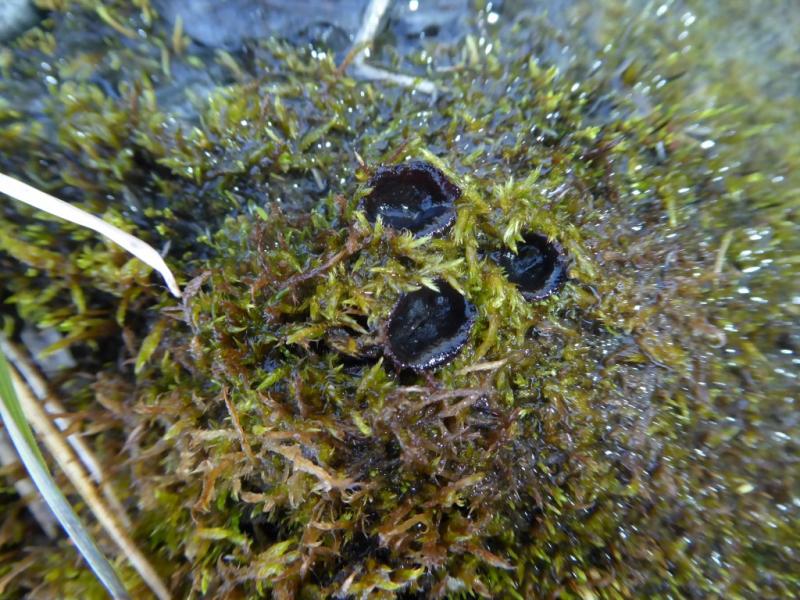
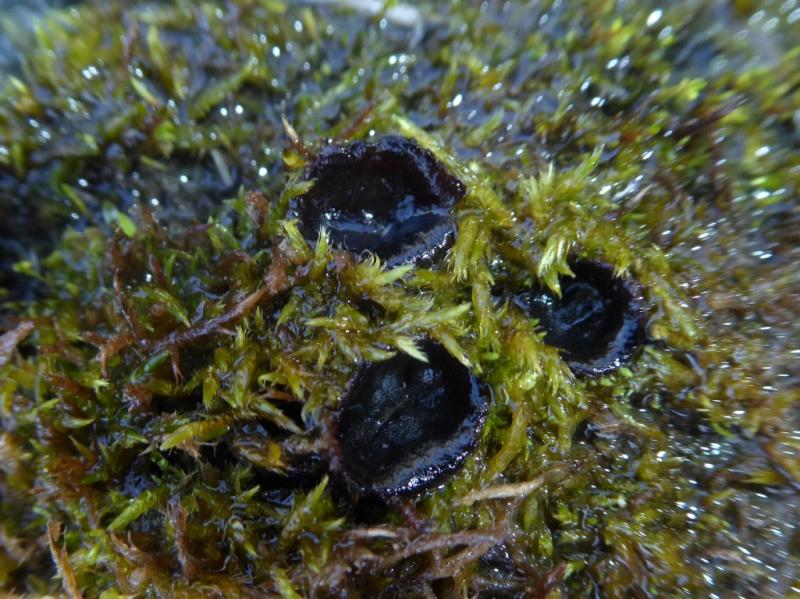
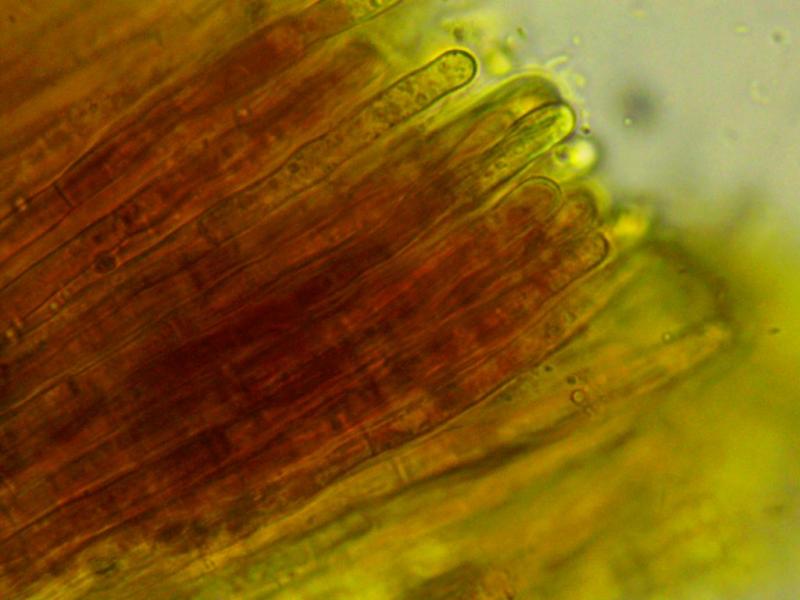
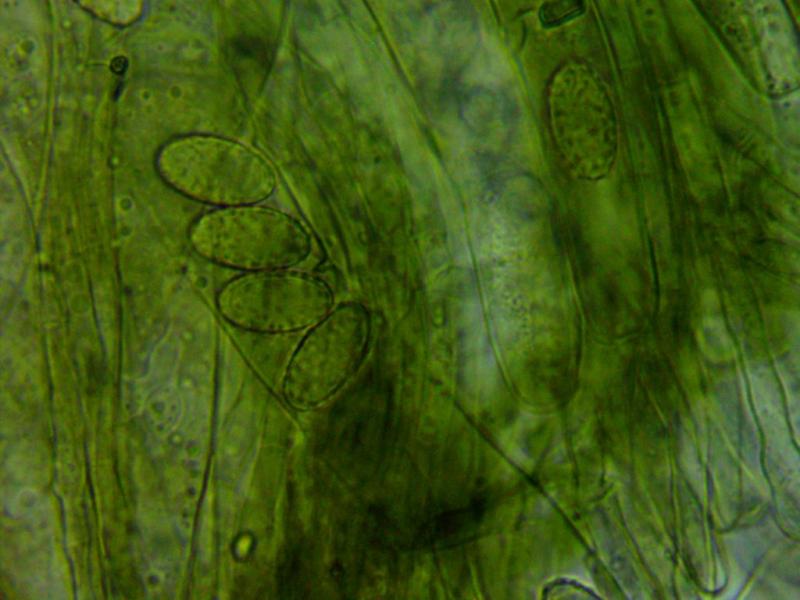
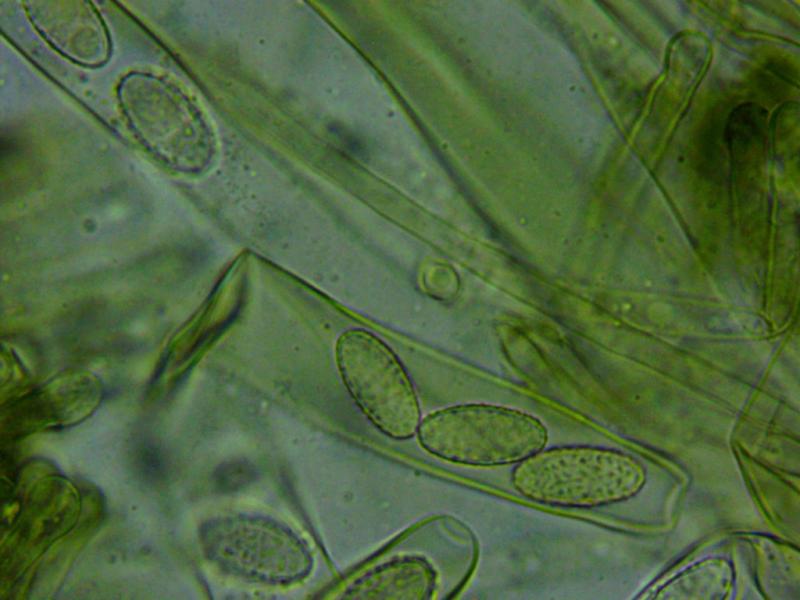
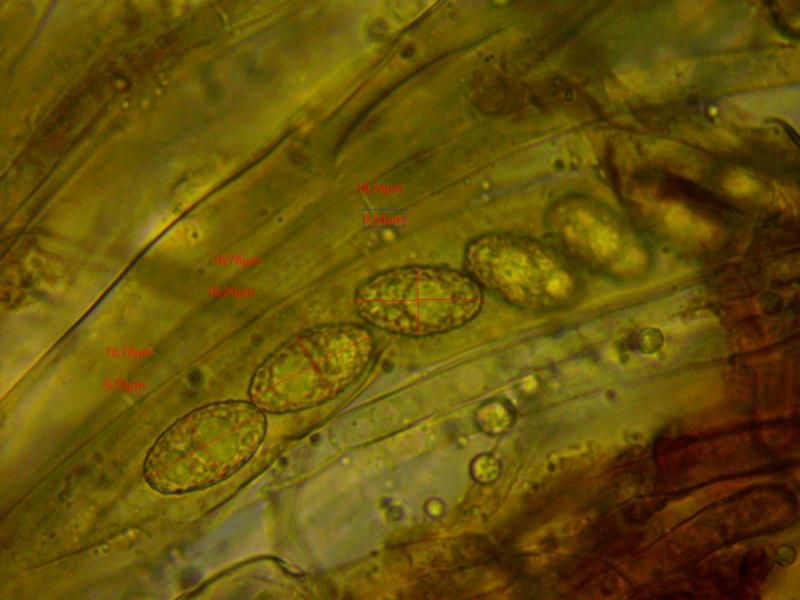
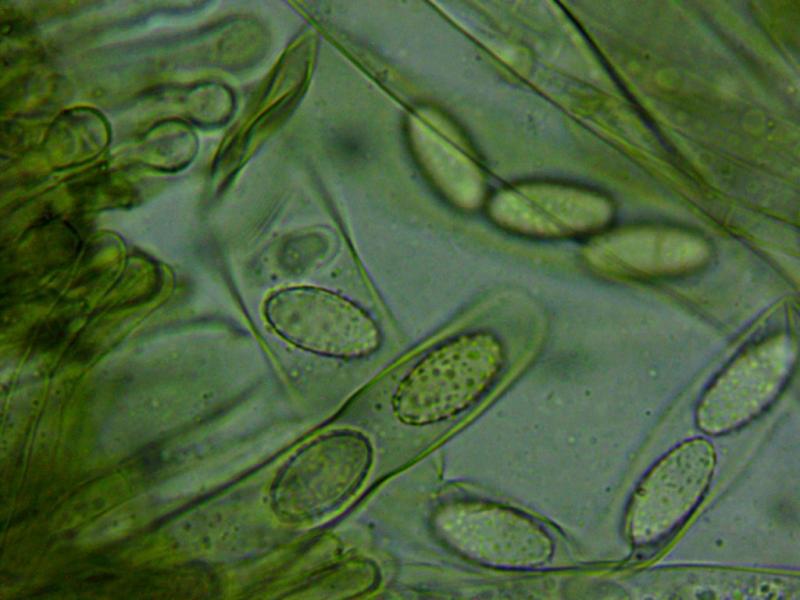
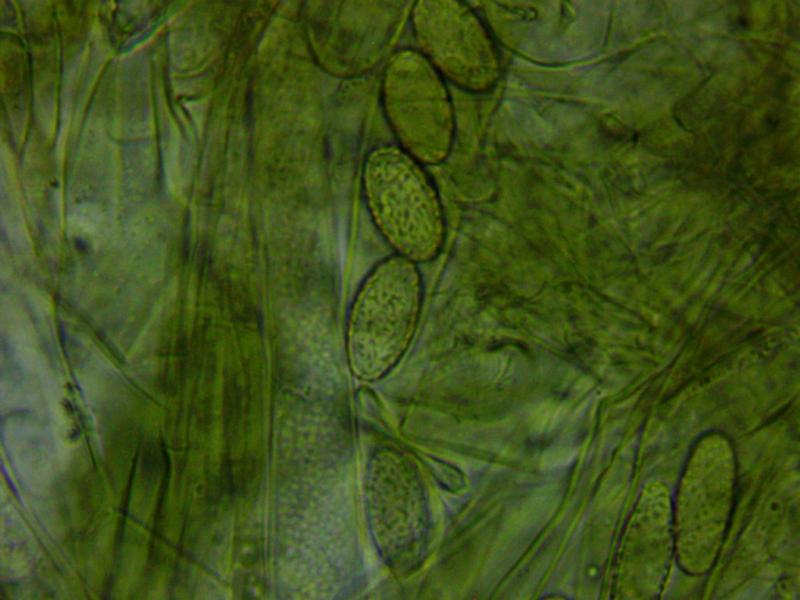
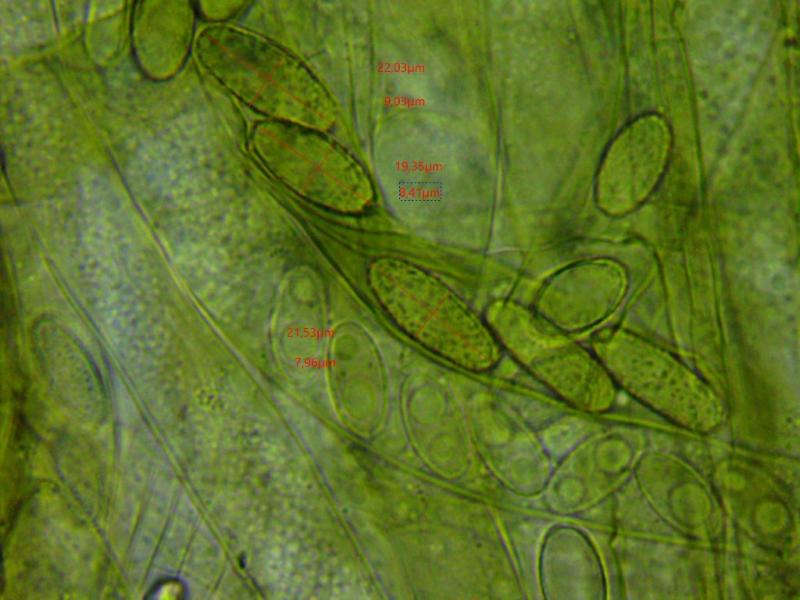
wenn man die Beschreibung von Trond Schumacher in "Arctic and Alpine Fungi - 4" vergleicht, dann passt eigentlich alles zu P. alaskana, von der Makroskopie über die Sporen bis zur Ökologie. Nur kann ich nicht genau erkennen, ob die Paraphysenspitzen "purplish black pigments and exudates" haben. Und dann steht da noch ein Fachausdruck, den ich noch nie gehört habe: "clusters of paraphysal apices embedded in purplish brown matrix forming a 'pseudomazaedium'.
LG, Till
Hallo Till,
vielen Dank für Deine Meinung - da bin ich dann zumindest nicht ganz falsch. Ich werde die Probe demnächst noch einmal ansehen und versuchen, einen guten Schnitt zu machen.
Mazädium ist ein Ausdruck, der mir bei Flechten schon mal begegnet ist (coenocarpe Flechten). Muss ich mir aber auch erst nochmal ansehen.
Herzliche Grüße!
Lothar