
12-06-2026 14:50
 François Freléchoux
Bonjour, Voici la brève description d'une Mollis
10-06-2026 21:16
François Freléchoux
Bonsoir,Le dernier du jour, en attendant votre avi
11-06-2026 19:01
 William Slosse
Hello all,In an attempt to make a culture of a sus
11-06-2026 19:03
 Nicolas VAN VOOREN
Chers membres d'Ascofrance,Le site sera placé en

09-06-2026 18:32
Camille MertensSur morceau de roseau immergé 0,5 - 0,7 mm de dia
10-06-2026 12:54
Steve ClementsBonjour encore, Pouvez-vous m'aider, s'il vous pl
10-06-2026 21:07
François Freléchoux
Toutes les tiges de gentianes jaunes de l'an passÃ
10-06-2026 13:41
François Freléchoux
Bonjour à nouveau, Voici une trouvaille d'hier.
Doratomyces spec.
Jan-Arne Mentken,
09-03-2017 14:40
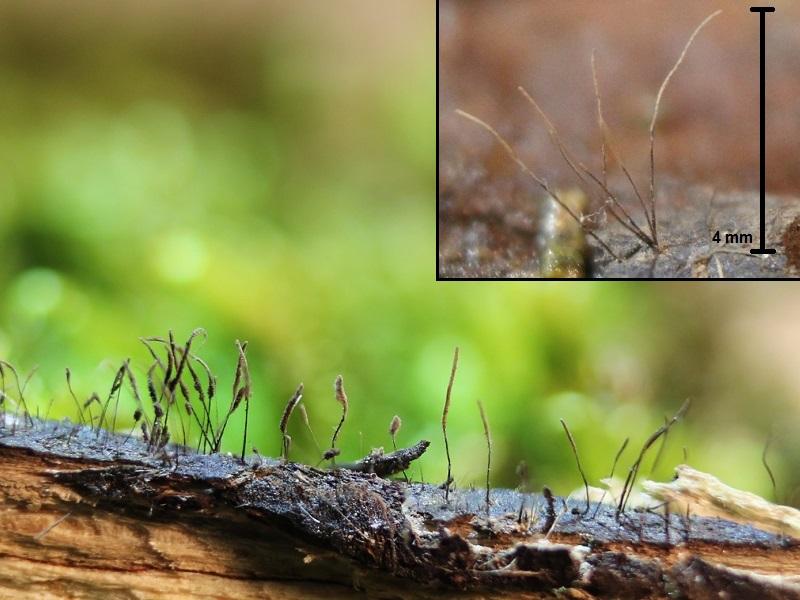
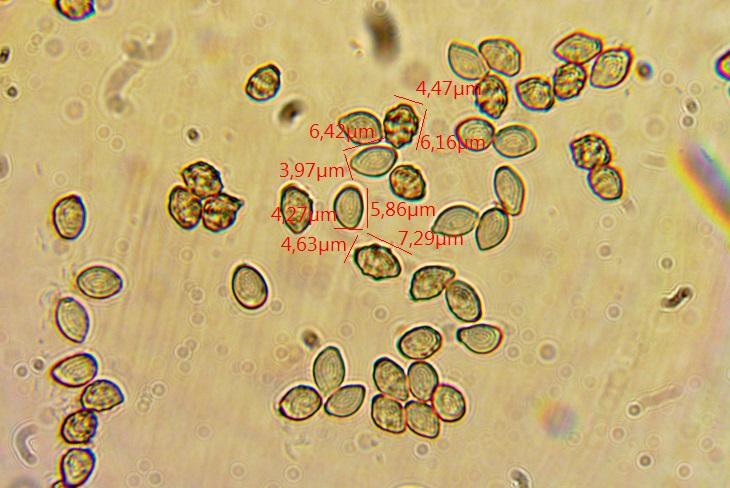
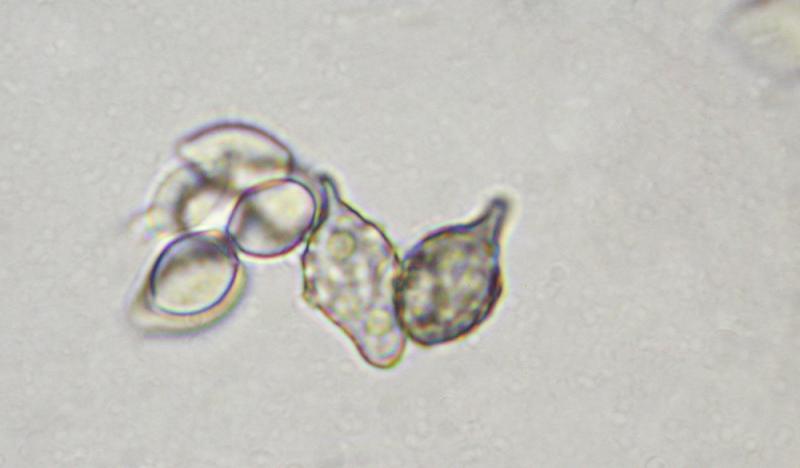
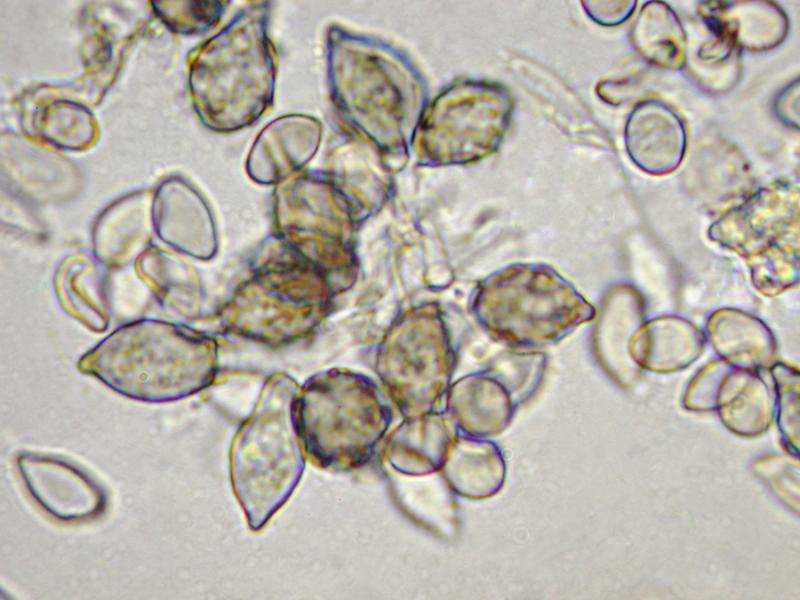
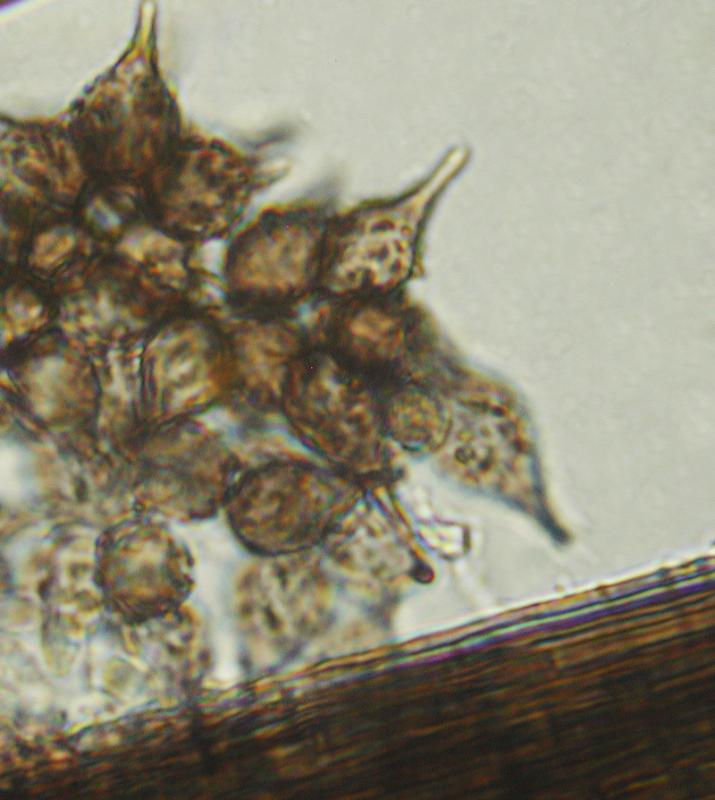
some days ago I found a Doratomyces on dead wood, which shows both verrucose and smooth spores. At first I thought the verrucose spores would be the Echinobotryum state, so it would have been Doratomyces stemonitis, but they are way too small (6-7,5 x 4-4,5 µm instead of 9-14 x 5-8 µm) and also look a bit different. So the question is: Are the smooth spores young conidia, which will get verrucose as well later on (-> Doratomyces nanus) or what else can it be? Thanks for any help!
Kind regards,
Jan-Arne
Michel Delpont,
09-03-2017 20:38

Re : Doratomyces spec.
Hello Jan.
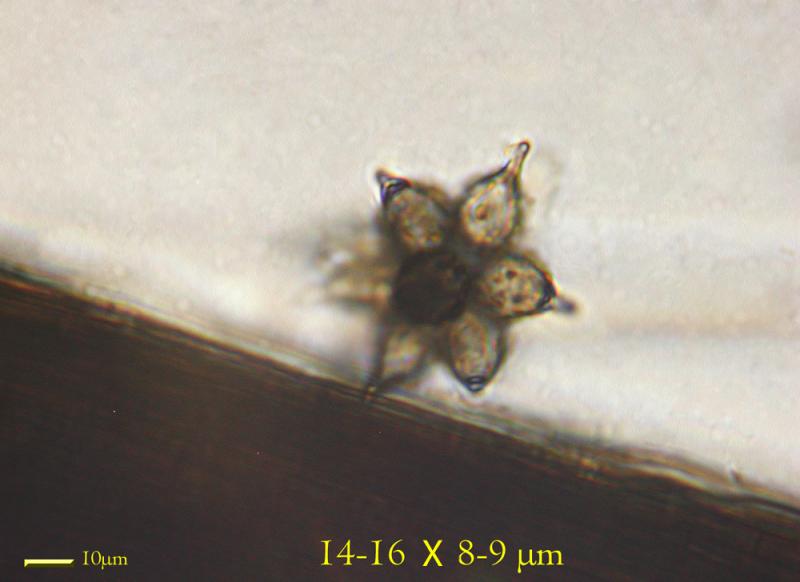
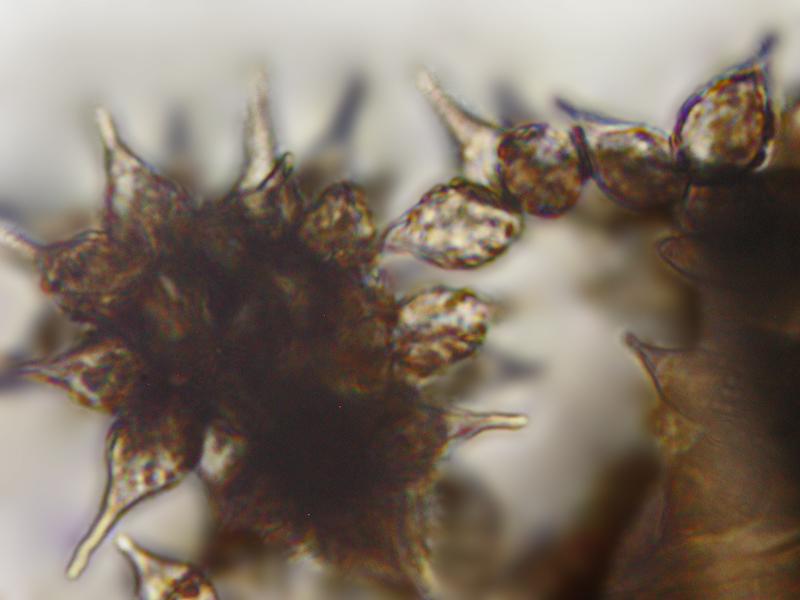
I am not a great specialist of these mushrooms, but I think it is a Cephalotrichum (Doratomyces). I had the opportunity to find Cephalotrichum stemonitis with the Echinobotryum state but the spores measurements are more important. Your fungus is probably another species.
Michel.
Jan-Arne Mentken,
10-03-2017 10:13
Re : Doratomyces spec.
Hi Michel,
thanks for your response. I guess you are right. The Echinobotryum State looks really different in size and shape. So D. nanus is the best option so far, though the smooth spores are still irritating.
Best regards,
Jan-Arne
thanks for your response. I guess you are right. The Echinobotryum State looks really different in size and shape. So D. nanus is the best option so far, though the smooth spores are still irritating.
Best regards,
Jan-Arne