
30-05-2026 21:12
Philippe PELLICIERSur branche de mélèze (Larix) près de la neige,
25-05-2026 16:35
 Bernard CLESSE
Bonjour à toutes et tous,J'ai trouvé récemment,
29-05-2026 15:35
daniel FERREBonjour à tous,Je voudrais votre aide pour cette
28-05-2026 16:15
James MitchellHello,Does anyone have the original publication of
28-05-2026 11:06
Thomas Læssøehttps://svampe.databasen.org/observations/10596750
23-05-2026 11:44
 Charles Grapinet
Hello, I am having trouble identifying this copro
25-05-2026 16:44
François BartholomeeusenHi forum members,During an excursion organised by
26-05-2026 21:25
Dirk GerstnerHello everyone, I'm completely stumped by this li
26-05-2026 22:44
Ethan CrensonHi all, I think I have Incrucipulum capitatum her
22-05-2026 14:44
 Lothar Krieglsteiner
in unripe condition citrine yellow, then soon fadi
Any Idea ?? Members of the Pyronemataceae
UZUN Yasin,
29-04-2016 13:59
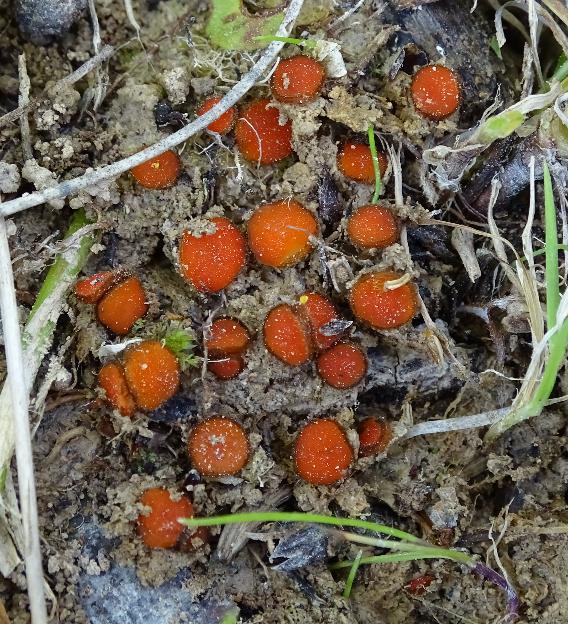
 Ayranci, Karaman, Turkey, Find on sandy soil near the stream...
Ascospores 17,5-19,6 x 11,5-13,8 ?0m in diameter...
Microscopic structures photos with Melzer Reagent...
Paraphyses 8,1-9 µm at the apex...
Can it be Scutellinia crinita ????????????
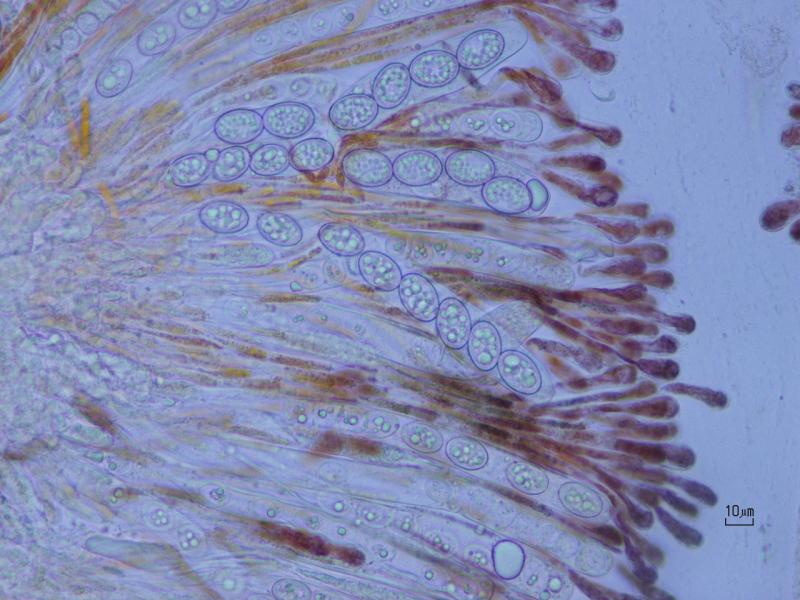
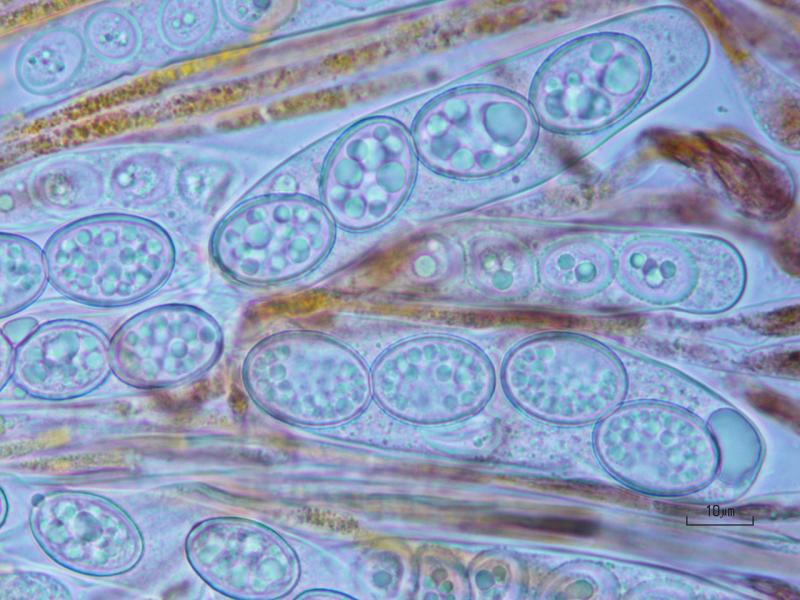
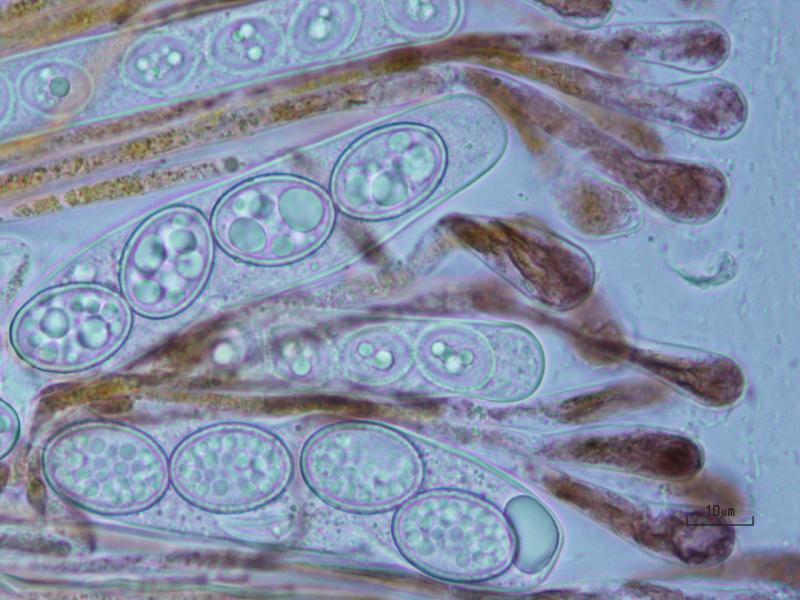
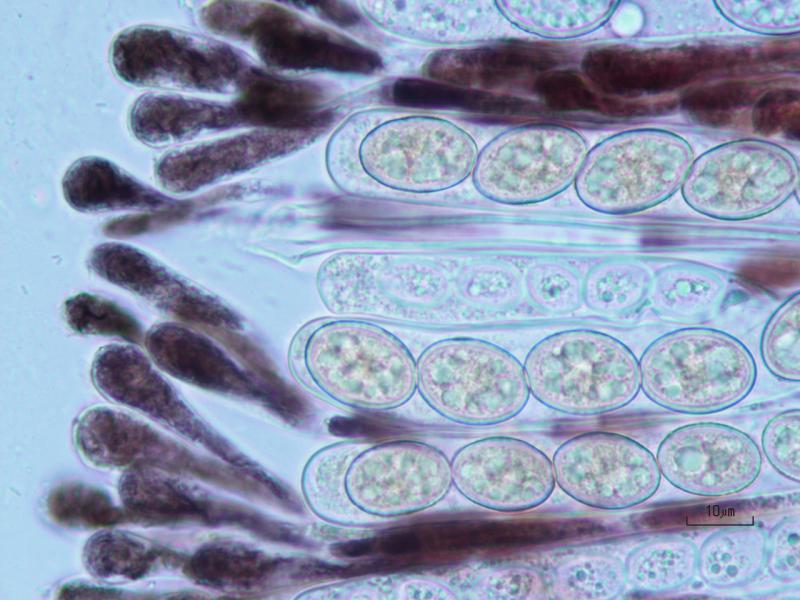
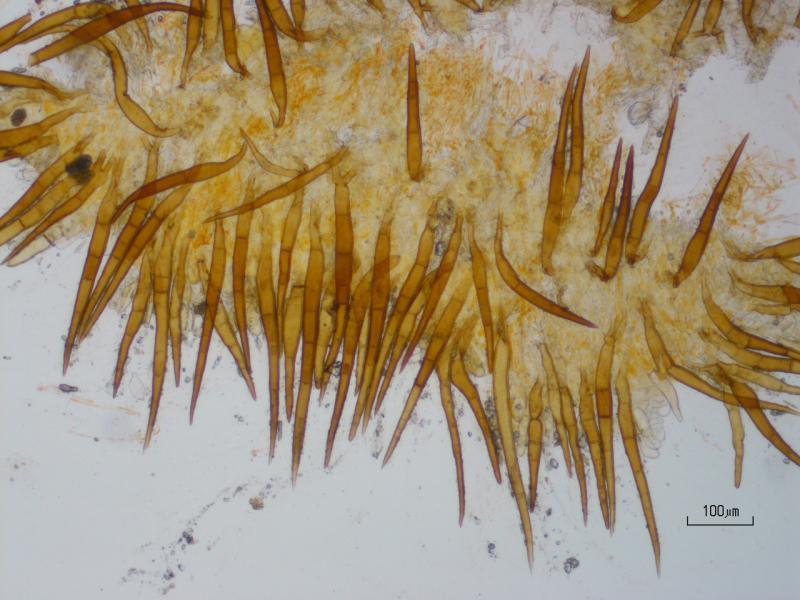
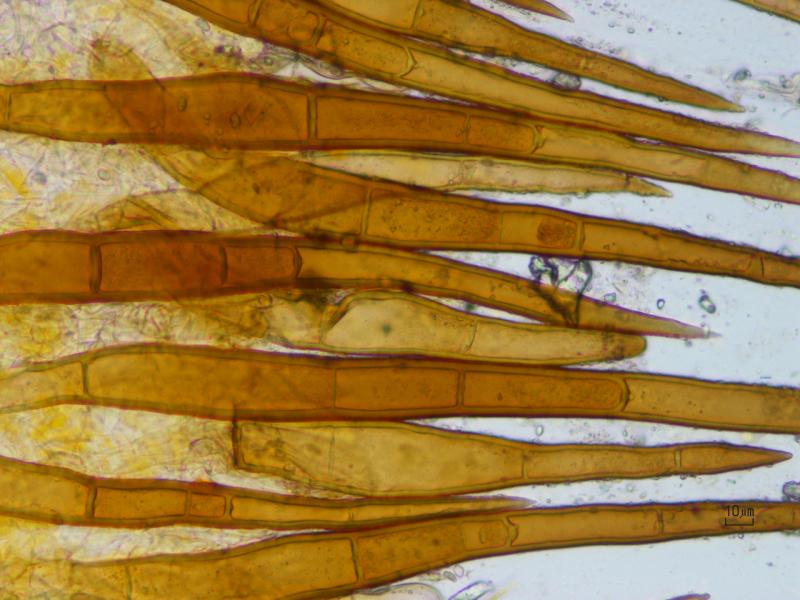
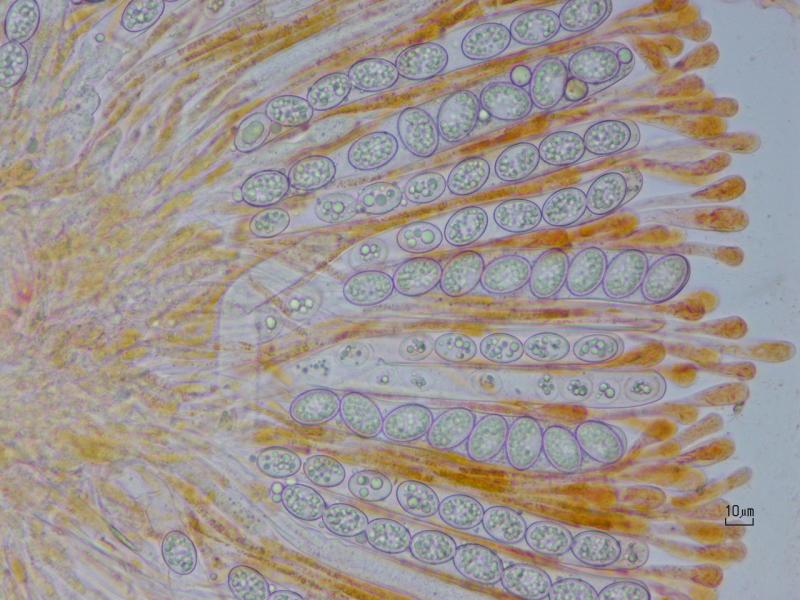
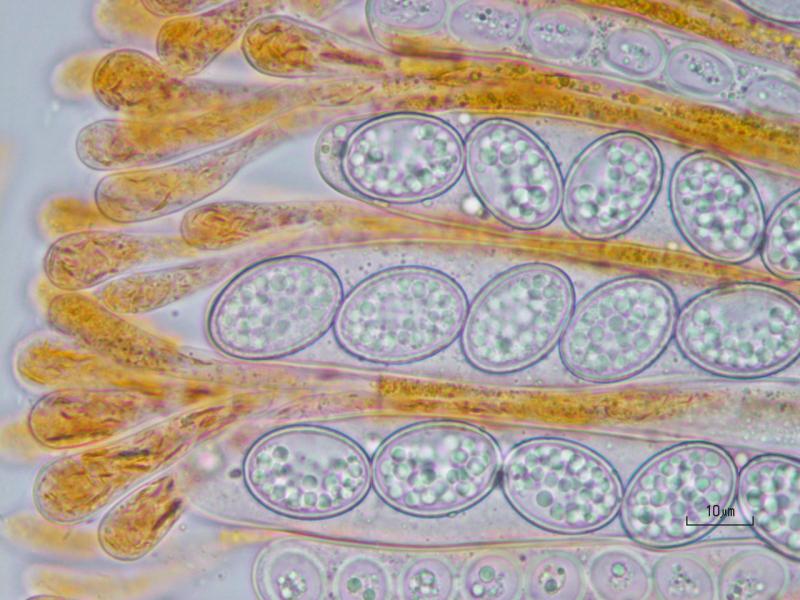
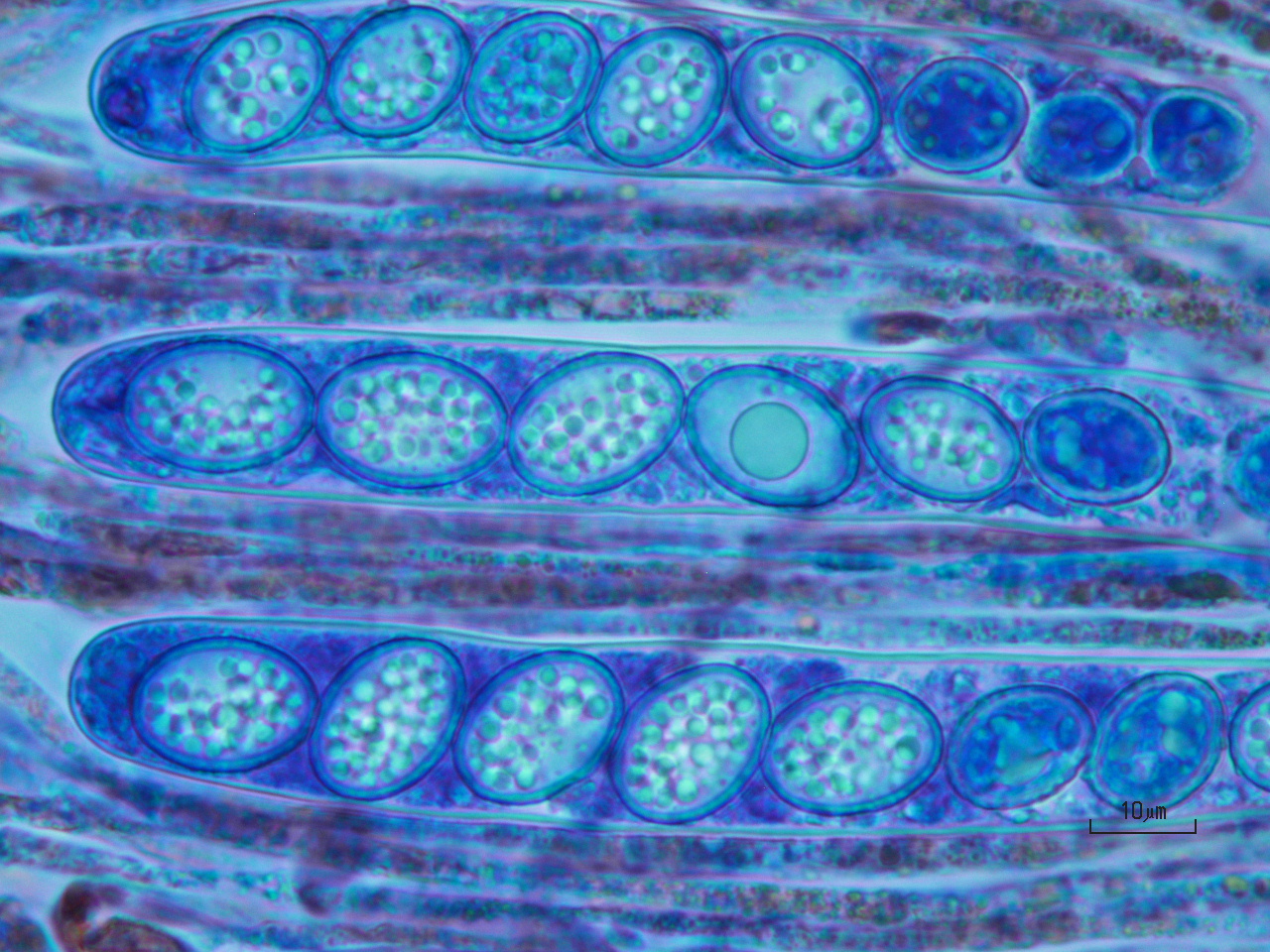 Microscopy with Cotten-Blue-1
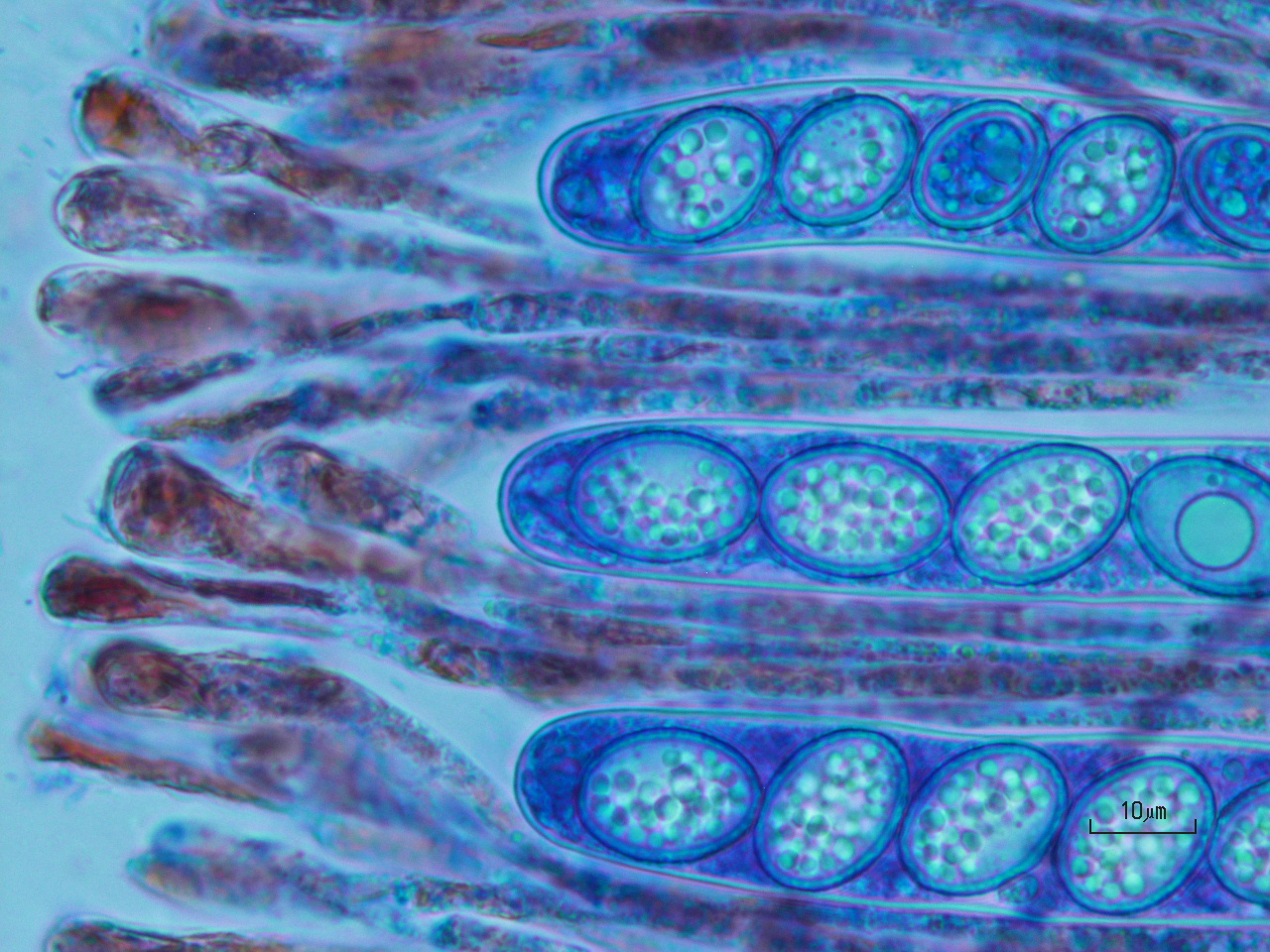 02180802-0001.JPG
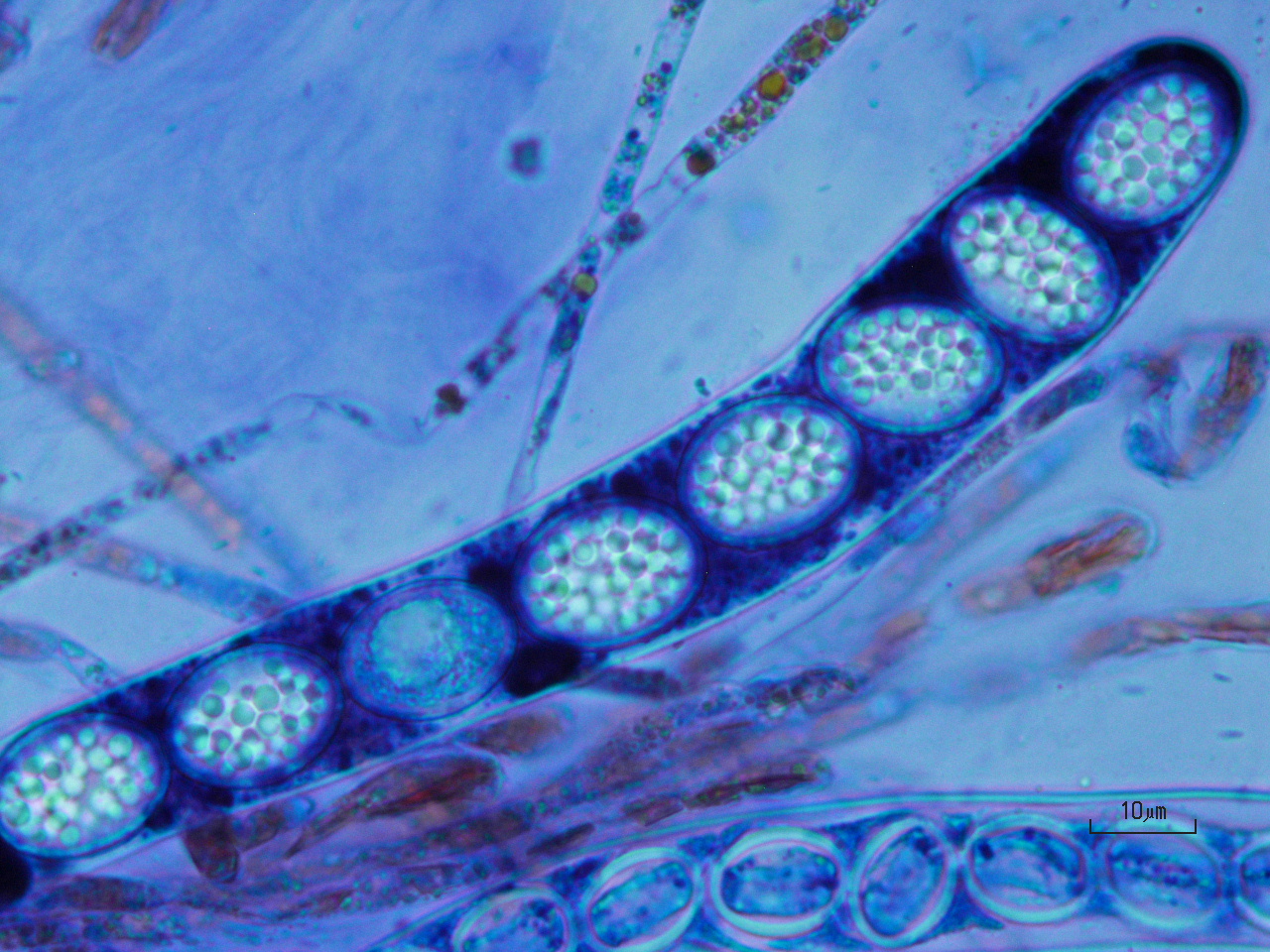 02181057-0001.JPG
Uwe Lindemann,
29-04-2016 14:20

Re : Any ?dea ?? Members of the Pyronemataceae
Hi,
from the macroscopical habit it looks like a Scutellinia.
Has it no hairs? Are you sure? Somethimes they are very minute. And are spores not ornamented? Do test it in cotton blue in lactic acid?
The spores are looking like Byssonectria deformis. But I don't believe that it is a "simple" deformis because of the macroscopical habit and the form of the spores and their size which is to big for deformis.
If there are no hairs and the spores are really smooth I would be very interested to study maybe sequencing your collection.
Best, Uwe
from the macroscopical habit it looks like a Scutellinia.
Has it no hairs? Are you sure? Somethimes they are very minute. And are spores not ornamented? Do test it in cotton blue in lactic acid?
The spores are looking like Byssonectria deformis. But I don't believe that it is a "simple" deformis because of the macroscopical habit and the form of the spores and their size which is to big for deformis.
If there are no hairs and the spores are really smooth I would be very interested to study maybe sequencing your collection.
Best, Uwe
UZUN Yasin,
29-04-2016 16:02
Re : Any Idea ?? Members of the Pyronemataceae
?t has got hairs.. ? take the pictures and put here..Please could you look at them.. Thank you..
Uwe Lindemann,
30-04-2016 09:29
Re : Any Idea ?? Members of the Pyronemataceae
Hi, in your first edit the photos of the hairs were not seen.
I'm not a specialist for Scutellinia but without the ornamentation of the spores an identification of the species is rather impossible.
Best, Uwe
I'm not a specialist for Scutellinia but without the ornamentation of the spores an identification of the species is rather impossible.
Best, Uwe
UZUN Yasin,
03-05-2016 09:26
Re : Any Idea ?? Members of the Pyronemataceae
There is no ornamentation on spores with Cotten-Blue....Please look at the last tree photograps...
Uwe Lindemann,
03-05-2016 13:23
Re : Any Idea ?? Members of the Pyronemataceae
Hi,
on your last three photos you show the spores in a wrong focus. You have to focus only the upper side of the spores. I'm sure there is an ornamentation.
Best, Uwe
on your last three photos you show the spores in a wrong focus. You have to focus only the upper side of the spores. I'm sure there is an ornamentation.
Best, Uwe
Malcolm Greaves,
03-05-2016 21:21

Re : Any Idea ?? Members of the Pyronemataceae
The best fit for the details you have is S superba. A feature of this species is that the outer surface of the spore separates from the spore if heated in LCB. It would be worth trying that to see if you get that result.
Mal
Mal