

03-06-2026 14:39
Thomas FlammerApothecia yellow, glassy-transparent, 80 - 120 ymS
16-03-2014 13:39
 Enrique Rubio
HI to all I'm looking for B. Hein's article on Wi
02-06-2026 14:33
 Nicolas VAN VOOREN
Hello.I'm searching for a PDF copy of the followin
18-10-2022 00:12
Valencia Lopez Francisco JavierHola amigos/asRecientemente encontré esta colecci
02-06-2026 17:58
Louis DENYBonjour forum, Sur feuille de Populus tremula, en

28-07-2011 18:31
 Alex Akulov
Dear FriendsToday I made the pdf file of Velenovsk
Durella related?
Adam Polhorský,
22-04-2016 18:11
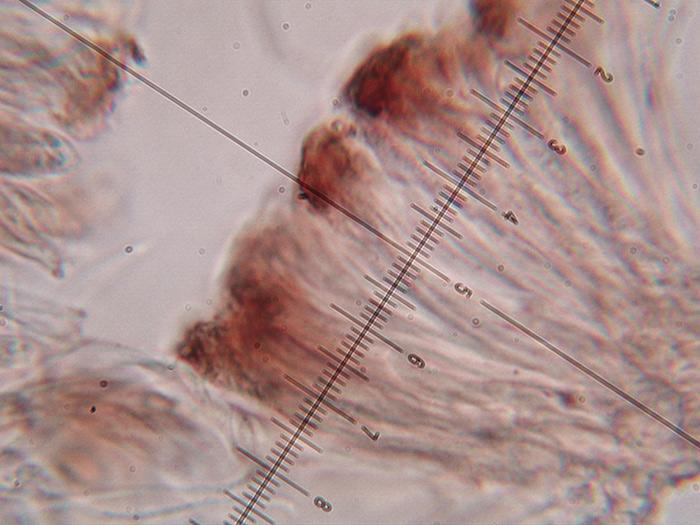
size 0,3-0,8mm , gregarious on a quercus branch.
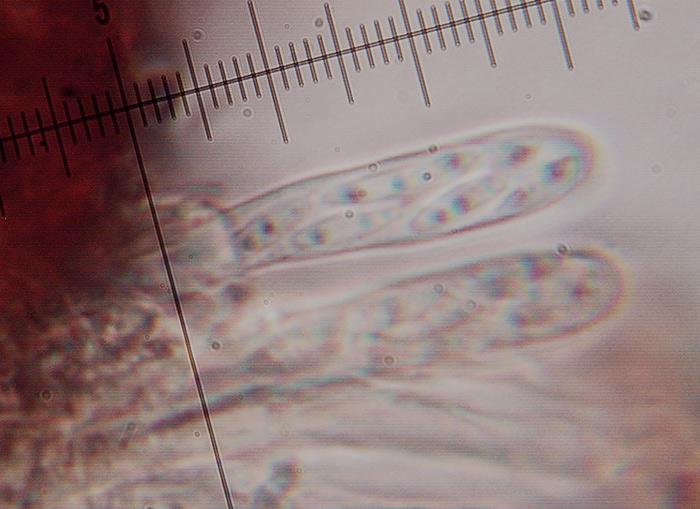
Spores: (6)7-9(9,5) x 1,5-2µm, with one spetum, oil content variable- usually 2 big gutules at poles with some scattered smaller ones.
Asci: inamyloid, 8-spored, no croziers observed
Paraphyses: straight, hyaline, no content observed, with brown crust on top of hymenium
Searched in Patellariales, Durella species- think i´m in a wrong genus, can someone help?
Thanks,
Adam
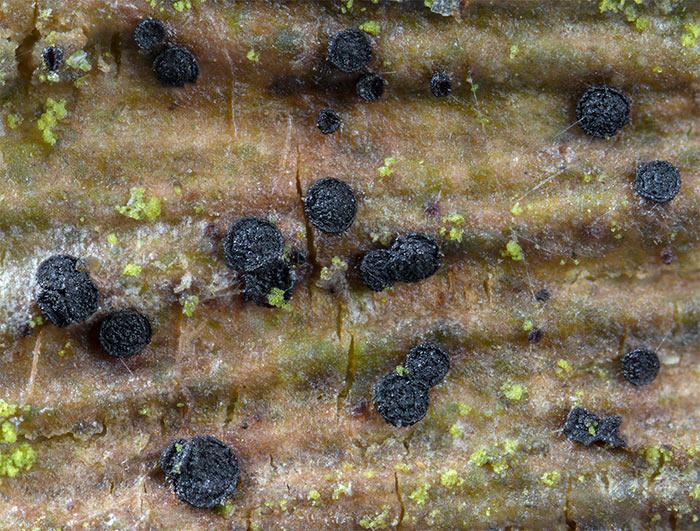
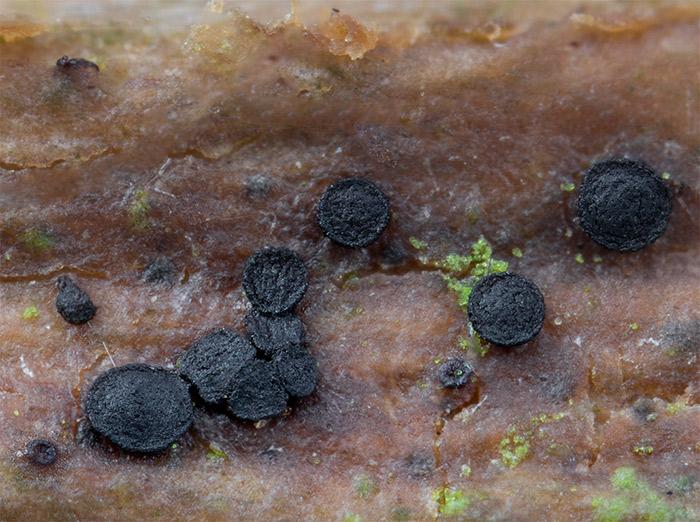
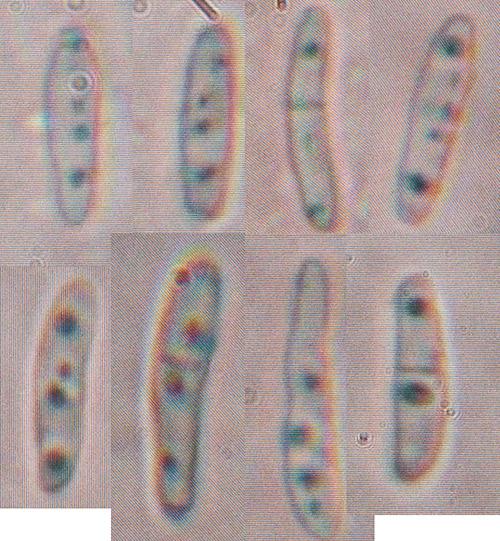
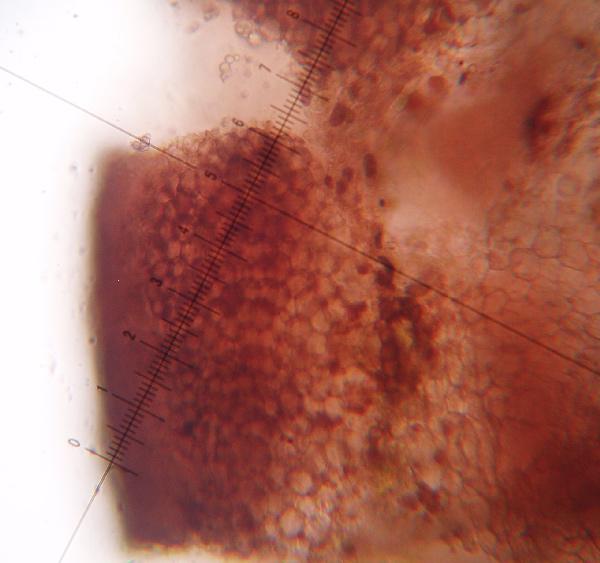
Hans-Otto Baral,
22-04-2016 18:18

Re : Durella related?
Hi Adam
this requires some further tests. I imagine it is what i call Durella uncinata, but it is unrelated to Durella, possibly a Skyttea.
I am quite sure if you add KOH a purple dye will extrude.
But the asci should be with croziers and the paraphyses hooked. Both I cannot see on your pics.
Zotto
this requires some further tests. I imagine it is what i call Durella uncinata, but it is unrelated to Durella, possibly a Skyttea.
I am quite sure if you add KOH a purple dye will extrude.
But the asci should be with croziers and the paraphyses hooked. Both I cannot see on your pics.
Zotto
Adam Polhorský,
22-04-2016 20:34
Re : Durella related?
You were right Zotto! I should´ve been more thorough. Croziers are indeed present, and paraphyses are distinctively hooked. Sorry, i dont have good enough pictures to show .
But the hymenium stained dark red-purplish and no exudate seen - 3 and 10%KOH was used. Do u have any photos- so i know what reaction im looking for? I didnt find the species in your drive under Durella group.
Thank you very much, as always.
But the hymenium stained dark red-purplish and no exudate seen - 3 and 10%KOH was used. Do u have any photos- so i know what reaction im looking for? I didnt find the species in your drive under Durella group.
Thank you very much, as always.
Hans-Otto Baral,
22-04-2016 20:59
Re : Durella related?
Indeed I moved it to Cordieritidaceae where Skyttea belongs.
You find it here:
https://drive.google.com/folderview?id=0B5SeyOEkxxZhMFJLcDd5YlB1RFE&usp=drive_web&tid=0B5SeyOEkxxZhYVZub0N1aGY5YTg
In this folder you can see a ionomiditic reaction, though a bit indistinct.
In the subfolder uncinata you see most below a pic with nice reaction.
This dissolution of pigent is transient, i.e. when you squash in KOH you see nothing, you must pit it in water and then add KOH to the edge.
You find it here:
https://drive.google.com/folderview?id=0B5SeyOEkxxZhMFJLcDd5YlB1RFE&usp=drive_web&tid=0B5SeyOEkxxZhYVZub0N1aGY5YTg
In this folder you can see a ionomiditic reaction, though a bit indistinct.
In the subfolder uncinata you see most below a pic with nice reaction.
This dissolution of pigent is transient, i.e. when you squash in KOH you see nothing, you must pit it in water and then add KOH to the edge.