19-05-2026 10:27
Patrice TANCHAUDBonjour, récolte récente sur terre retournée i
04-06-2026 18:39
Gernot FriebesHi,I collected this species in two different locat
22-05-2026 13:29
Gernot FriebesHi,I am curious to hear your opinion on this mater
04-06-2026 10:50
 François Freléchoux
Bonjour, J'ai trouvé hier un petit asco observé
04-06-2026 07:02
François Freléchoux
Bonjour, Voici la description d'une espèce qui p
04-06-2026 13:34
Gernot FriebesHi,I am interested to hear your opinion on this Le
04-06-2026 11:36
Gernot FriebesHi,found on Vaccinium myrtillus.Asci: IKI –, 8-s
18-10-2022 00:12
Valencia Lopez Francisco JavierHola amigos/asRecientemente encontré esta colecci
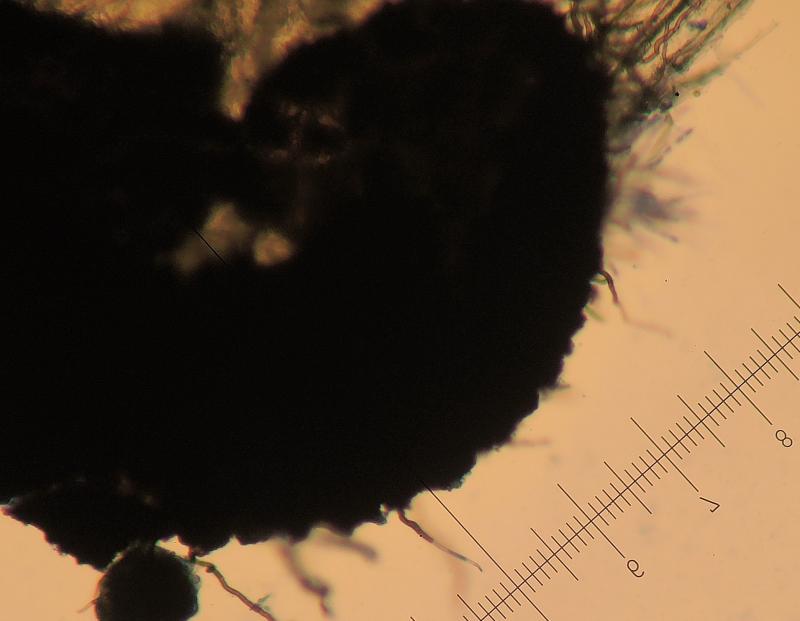
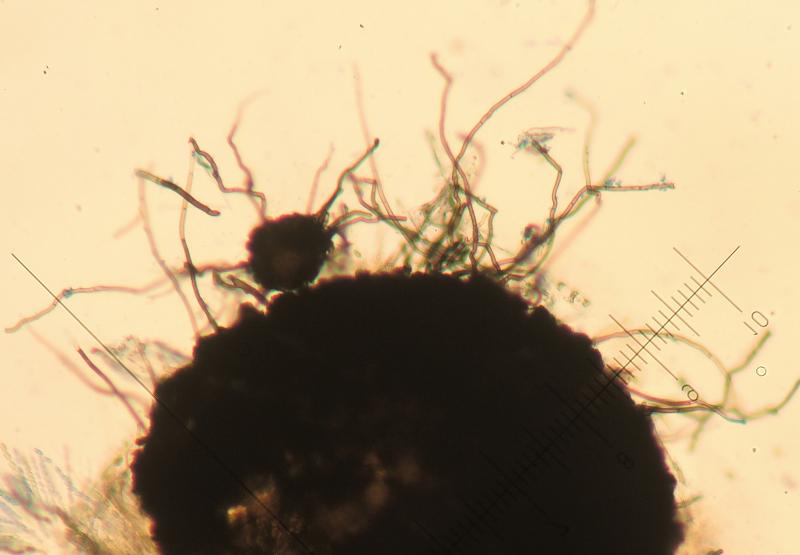
This description fits Synaptospora plumbea quite well, but what about the brown hyphae shown on one of the pictures? Could these be part of the basal mycelium (mentioned in the Helminthosphaeriaceae key in Miller et al. 2014)?
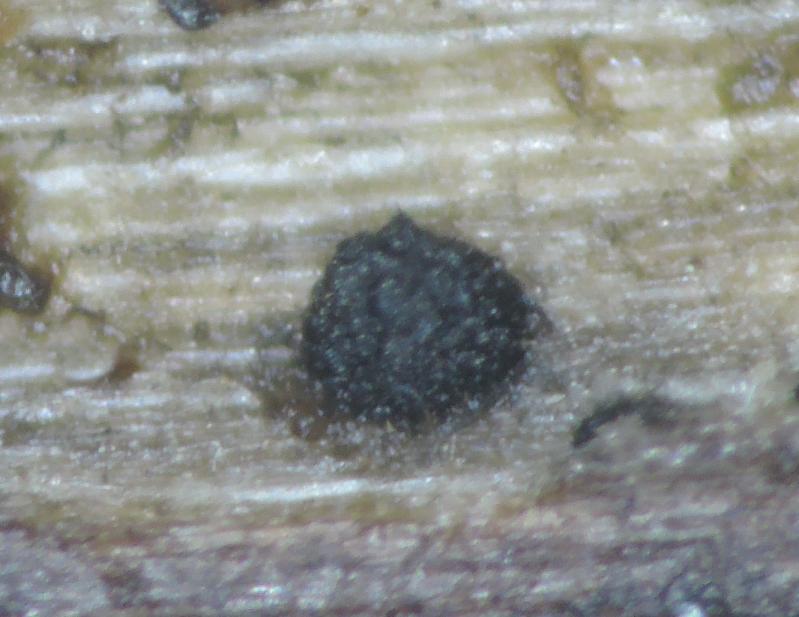
The ascomata are descibed by Huhndorf et al. 2004 as "superficial", does that exclude erumpent ascomata (cf. figure 1 in that paper which appears to show half immersed ascomata)?
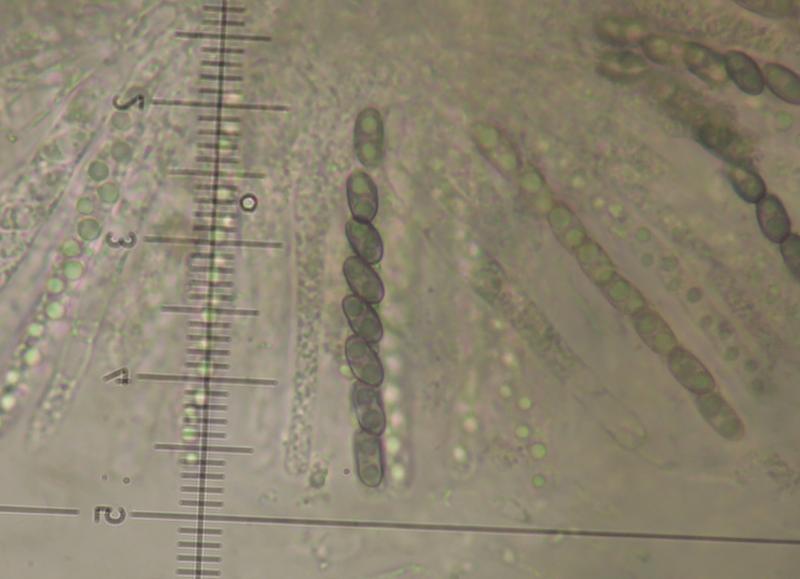
The key question is whether the collection belongs to the Helminthosphaeriaceae. Are there other taxa outside this family with similar features (e.g. Baermaellia but perithecia in a brown stroma and the species with germ split longer spores)?
Help much appreciated!
Eduard