
15-05-2026 13:33
Sylvie Le GoffBonjour à tousJe serais très reconnaissante enve
16-03-2011 14:31
roman vargas albertoHi. I would like some opinion about this Peziza
14-05-2026 05:36
Ethan CrensonHi all, I haven't paid much attention to Lachnu
10-05-2026 23:17
 Andreas Gminder
Hello,today we found in a moist steep decidous for
11-05-2026 12:32
 Bernard CLESSE
Pourriez-vous m'aider à identifier cette héloti
13-05-2026 15:26
 François Freléchoux
Bonjour,Voici une récolte faite il y a quelques j
12-05-2026 15:41
 Nicolas VAN VOOREN
Dear Ascolovers, especially interested in Pezizale
13-05-2026 12:05
 Thierry Blondelle
Bonjour à tous,J'aimerais avoir confirmation de c
28-04-2026 20:07
 Lothar Krieglsteiner
... on twig in the air at standing Ceratonia siliq
27-04-2026 20:52
Lothar Krieglsteiner
Found on hanging tiwg of Olea europaea in dried-ou
Can anyone help ID this Peziza please?
Spores are smooth 15-18 x 9-10µm. No guttules.
Asci only blue at very tip in Melzers.
Paraphyses slender, sparse and fragile. Simple, and septate with slightly inflated ends.
The brian Spooner key takes me to P.micropus, except these fruit bodies were very large (up to 150mm diameter)
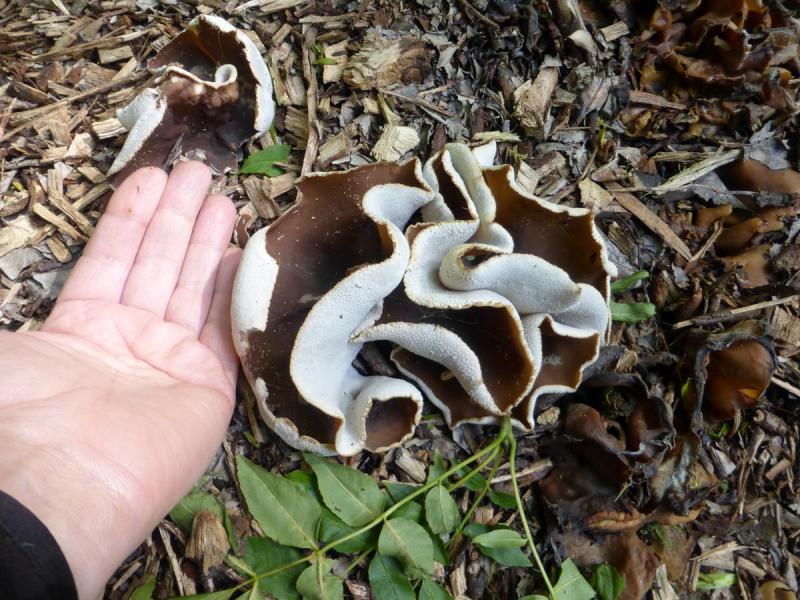
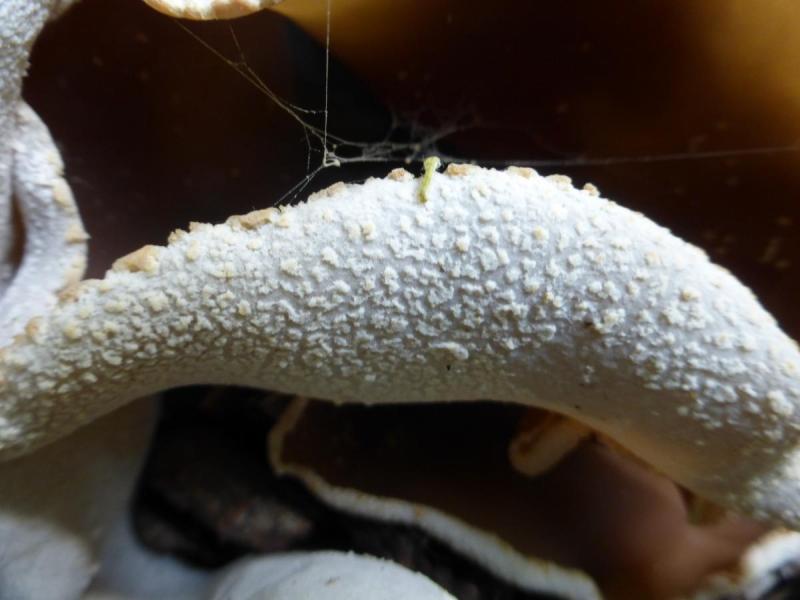
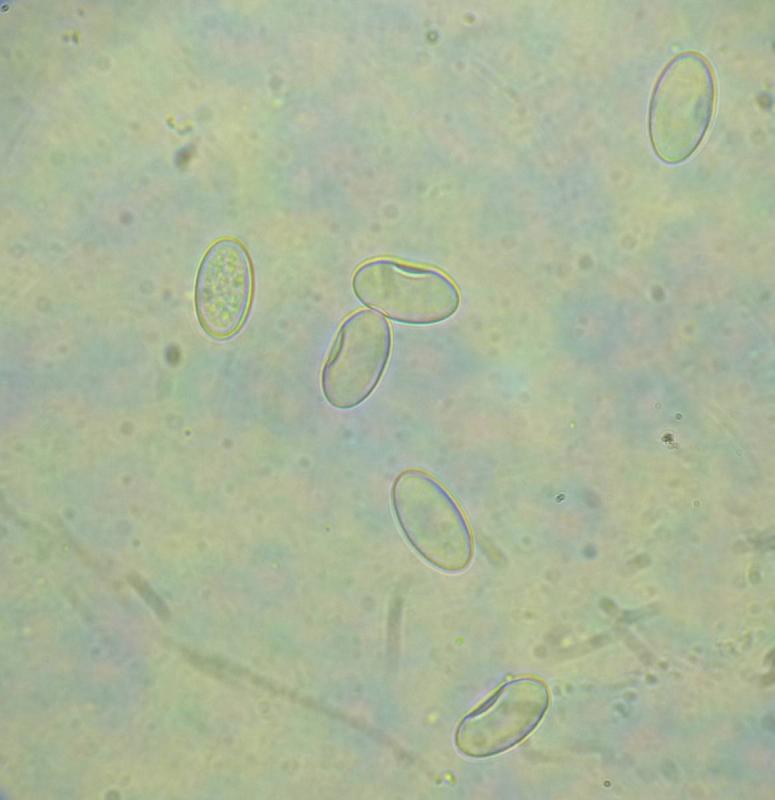
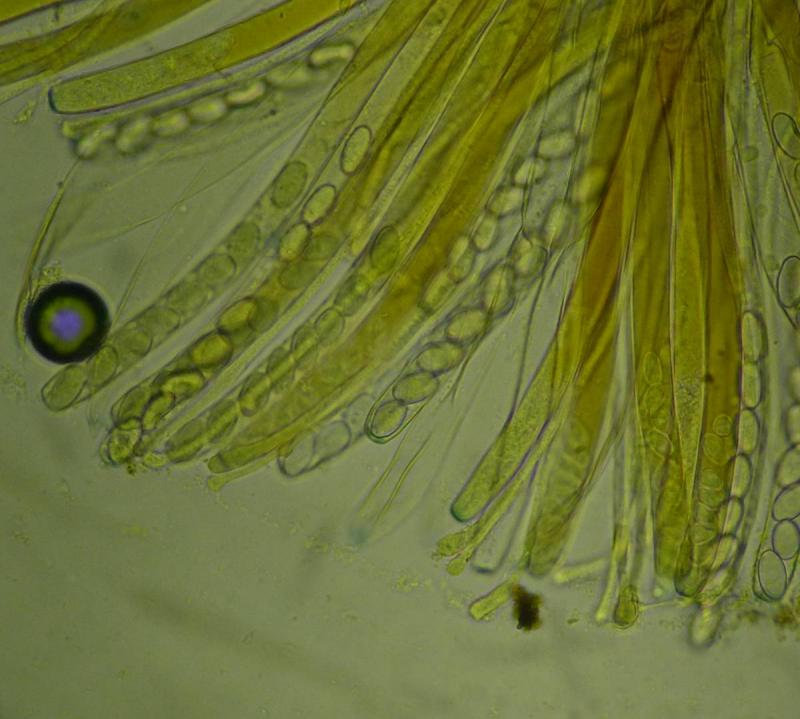
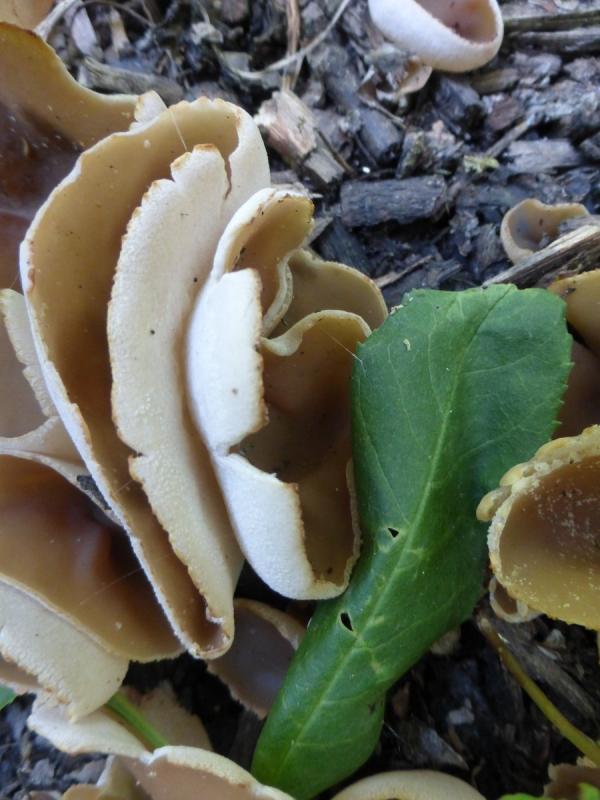
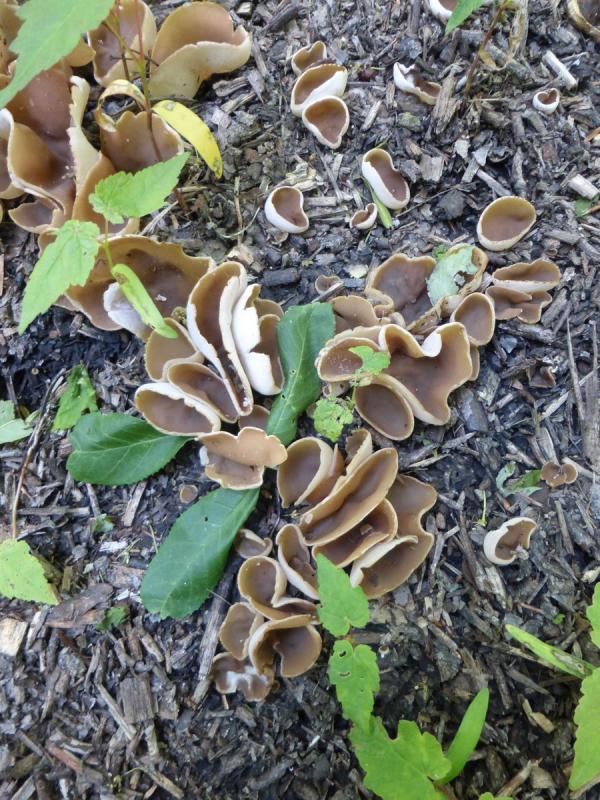
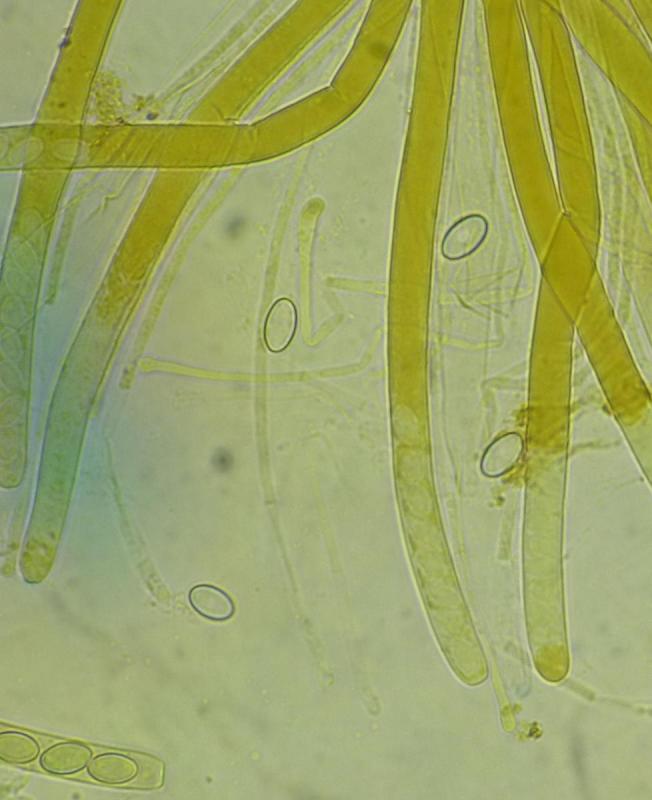

can you explain or tell me literature on the complex Varia - repanda, cerea incl. muralis and micropus are difficult to separate and maybe the same. Where can I learn more?
Regards from Lothar (I fear I am not fully actual here ...)

here is the link to Karen Hansen's publication
http://dash.harvard.edu/bitstream/handle/1/3153301/Pfister_PhylogeneticDiversityCore.pdf?sequence=1
François
thank you very much!
I always thought that it is highly arbitrary to divide the varia-complex. Very nice!
Best regards from Lothar
thank you very much!
I always thought that it is highly arbitrary to divide the varia-complex. Very nice!
Best regards from Lothar
.. yes, the "old" P. varia ss. str. was defined with moliniform paraphyses. But this character, as others, seems to be highly variable and influenced by environmental conditions.
Regards from Lothar