28-07-2011 18:31
 Alex Akulov
Dear FriendsToday I made the pdf file of Velenovsk
25-12-2019 17:54
Valencia Lopez Francisco JavierHola a todos/asEstas supuestas pezizas estaban en
12-07-2015 00:05
 Nedim Jukic
This one from the same locality as the previous on
12-11-2019 10:32
 Miguel Ángel Ribes
Hi againExactly at the same place than my previous


30-05-2026 21:12
Philippe PELLICIERSur branche de mélèze (Larix) près de la neige,
31-05-2026 10:35
Hulda Caroline HolteHello,I collected this species growing on a rather
25-05-2026 16:35
 Bernard CLESSE
Bonjour à toutes et tous,J'ai trouvé récemment,
29-05-2026 15:35
daniel FERREBonjour à tous,Je voudrais votre aide pour cette
 Hi to everybody
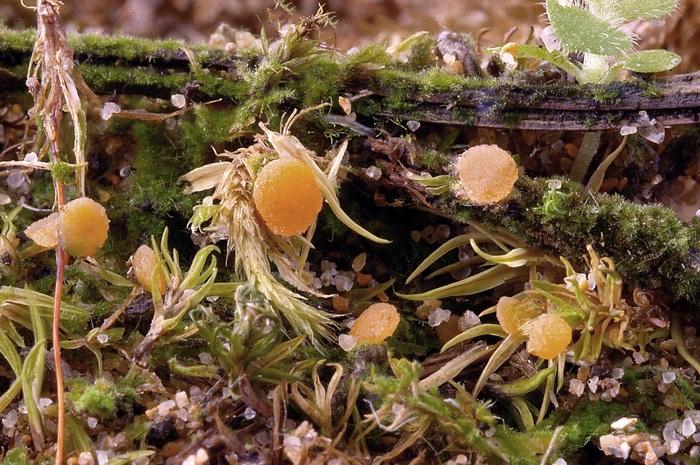
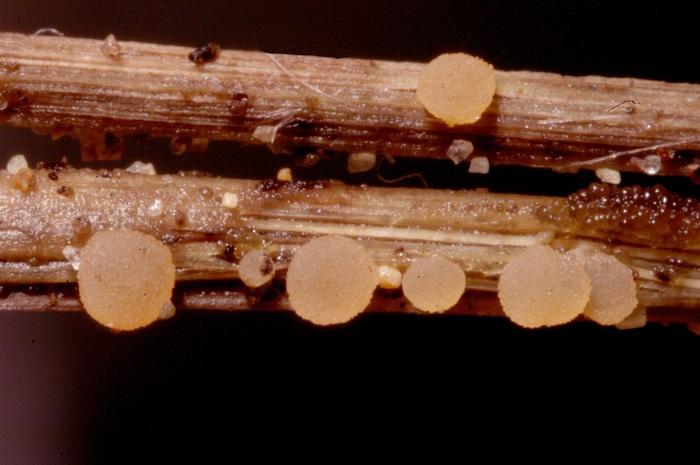
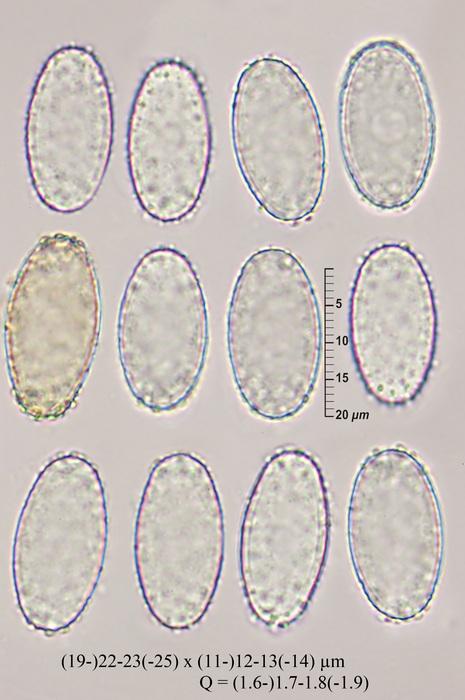
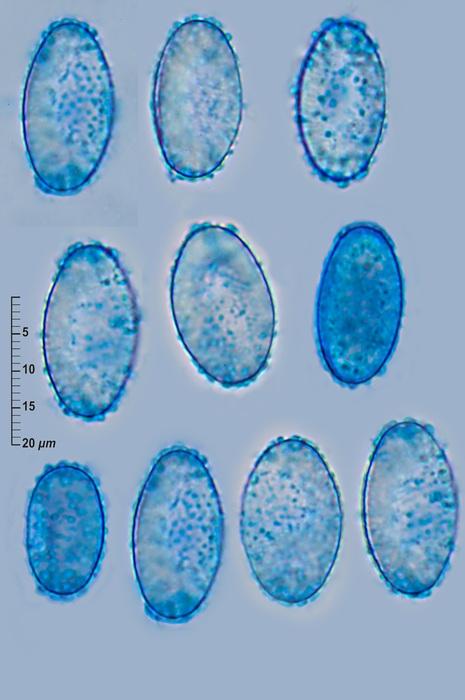
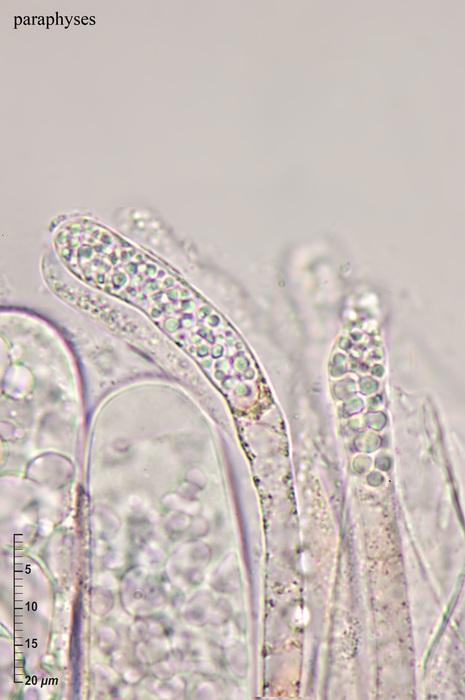
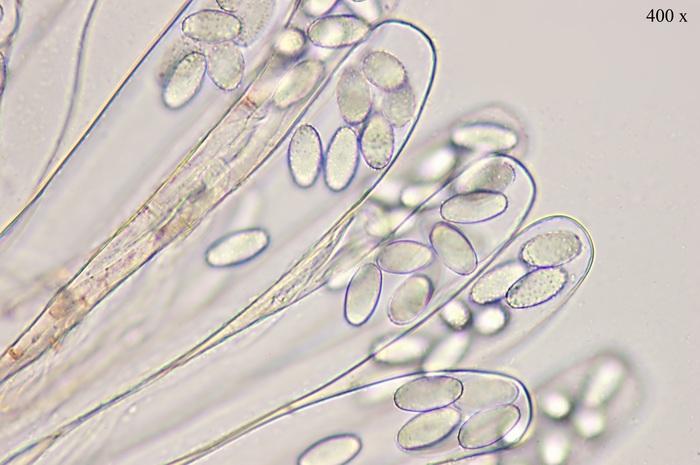
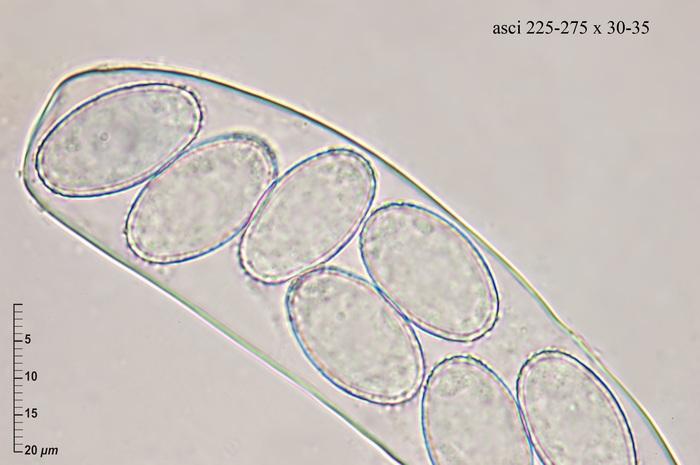
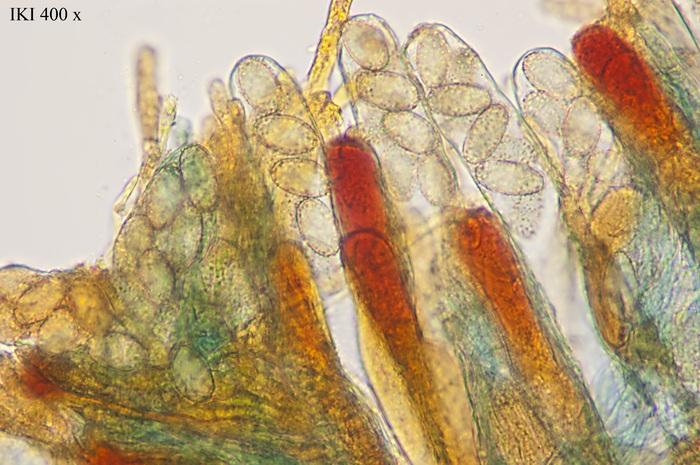
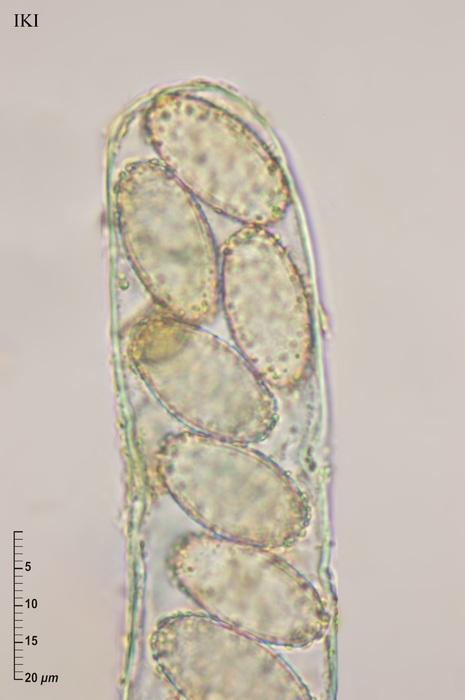
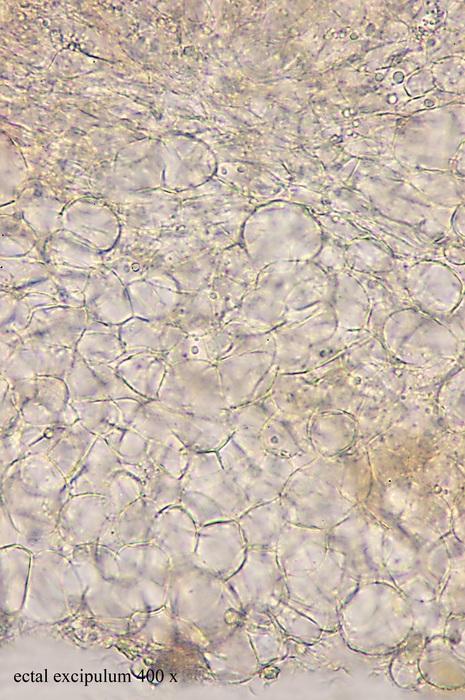
Several times we have found this Iodophanus species (pulvinate ascomata up to 1 mm) on wet dead stems of gramineae (Ammophila, Elymus), Calystegia soldanella or Tortella flavovirens on calcareous sand dunes at the north of Spain. At the field we thought this was the common Iodophanus carneus but the ascospore morphology, the spore size and the much larger callose-pectic markings at the poles (up to 1 µm) were very different of those of I. carneus.
Iodophanus granulipolaris Kimbrough has a similar ornamentation buy it is a coprophilous species with larger ascospores 24-26 x 15-16 and longer spore markings too.
Have you some idea for this fungus?
My pics have a low quality because the ascomata have not a natural more yellowish colour. Really they are pinkish or salmon-orange, with the typical colors of most Iodophanus.
Thanks again