
22-04-2026 20:17
 Marian Jagers
Is anyone familiar with the Hyphomycetes genus Pse
22-04-2026 20:54
 Enrique Rubio
Hi to everybody.This Pyrenopeziza grew in moist le
22-04-2026 01:06
 Richard VALERI
Bonjour à tous.Je vous présente cette Nectria s.
21-04-2026 13:36
Gernot FriebesHi,I am out of ideas for this one. I collected Sal
21-04-2026 13:19
Gernot FriebesHi,this Lophodermium on Typha has ascospores measu
21-04-2026 13:05
Gernot FriebesHi,this hyphomycete feels familiar but I was not a
20-04-2026 22:00
 Malcolm Greaves
These pale yellow, hairy ascos were growing on cul
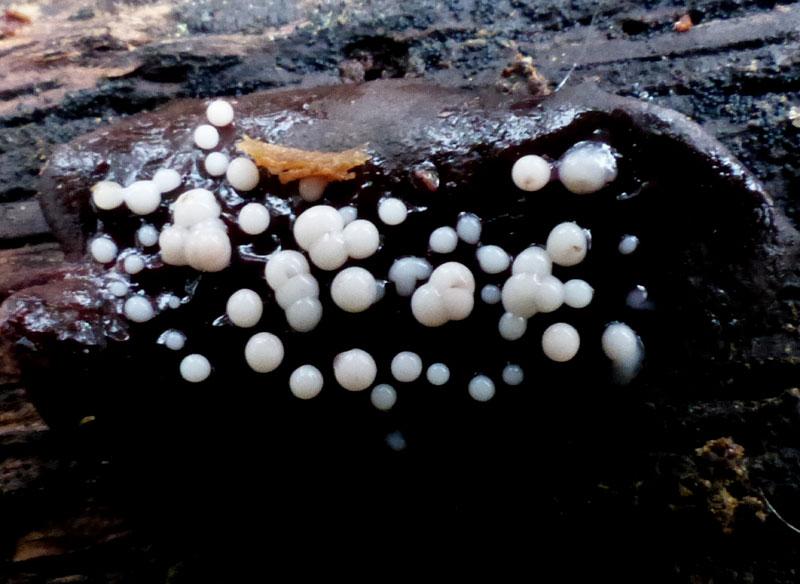
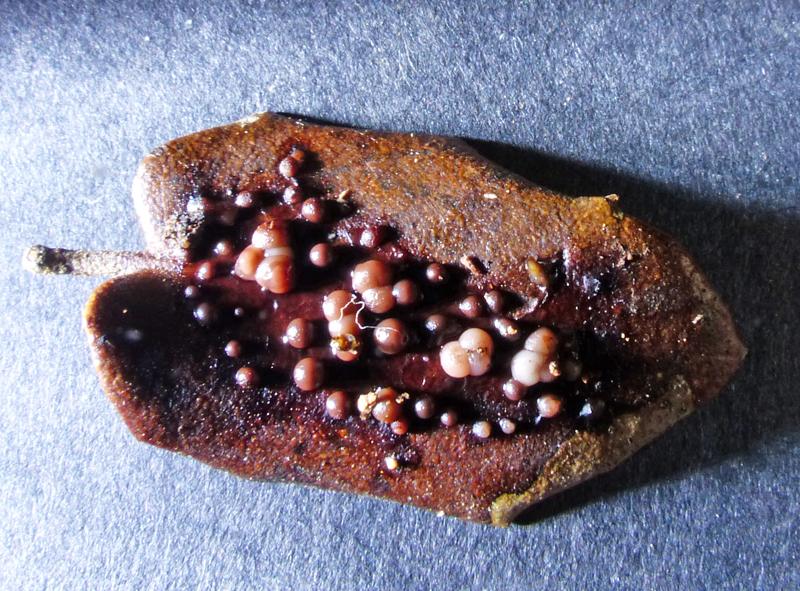
 Fotografie esta especie el martes 17 en una hoja de encina
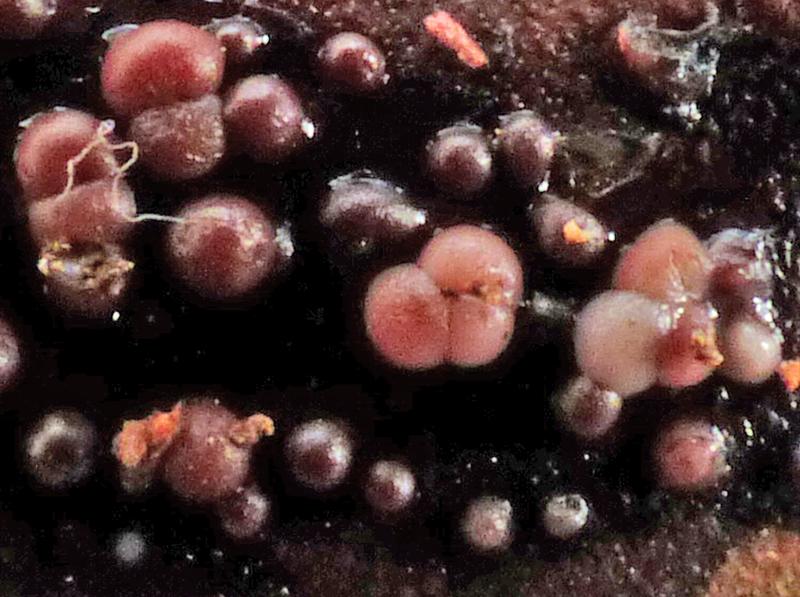
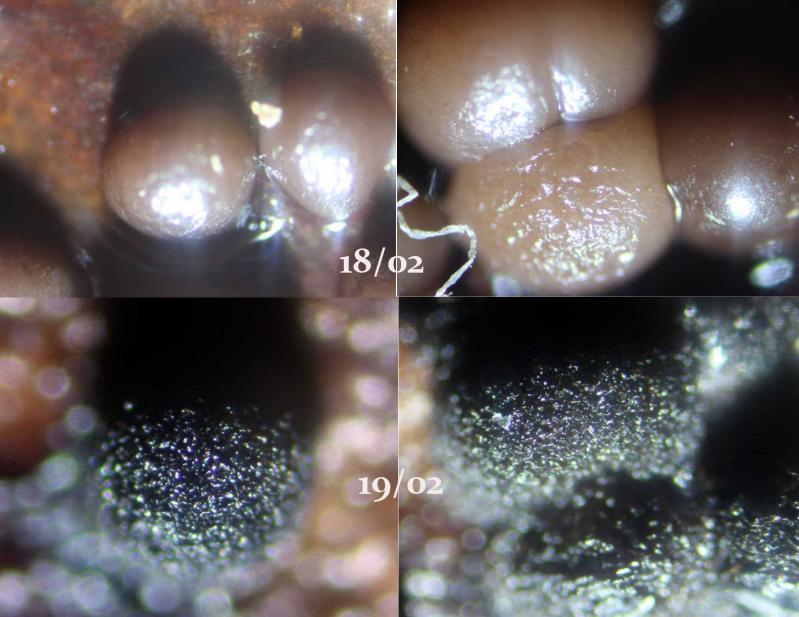
En principio eran como unas bolitas blancas de menos de 1 mm. al dia siguiente estaban marrones y hoy estan negras y con la superficia con pelos.
He hecho algo de micro, pero no tengo ni idea de por donde mirar
Agradcere cualquier sugerencia
Saludos
Joseba
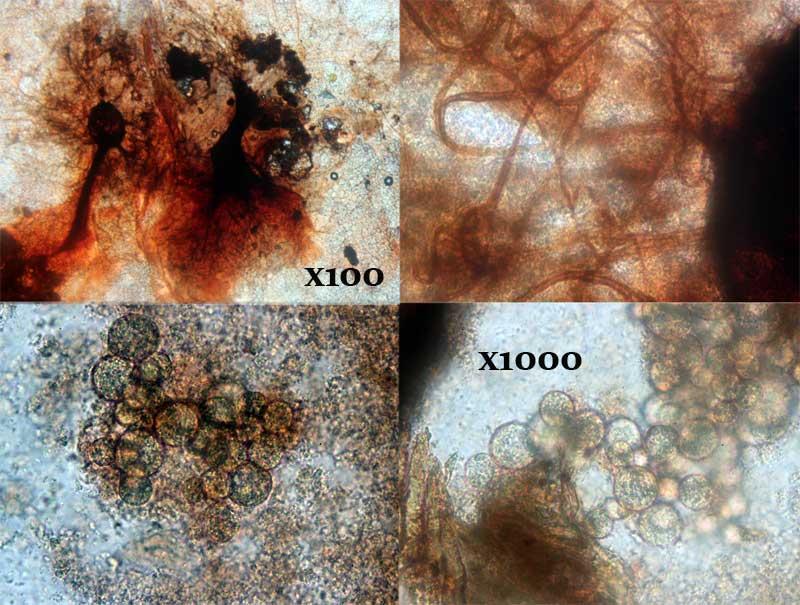
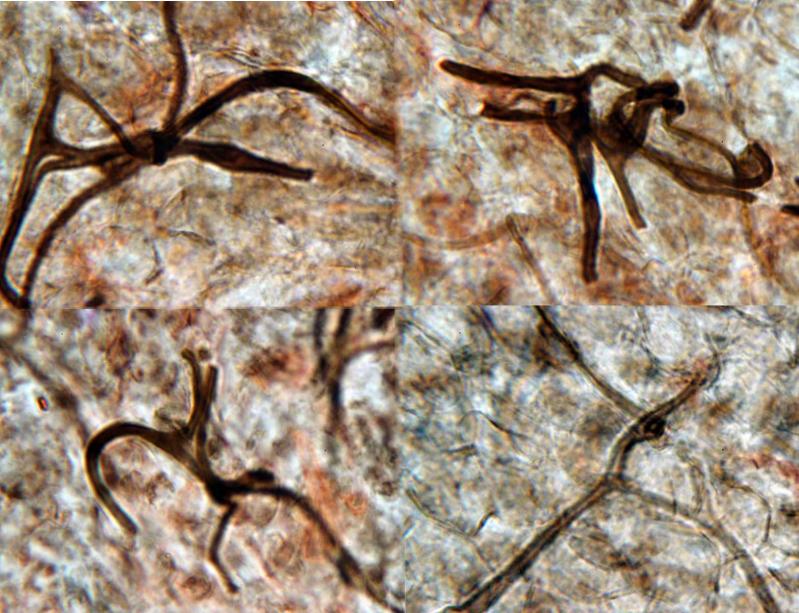
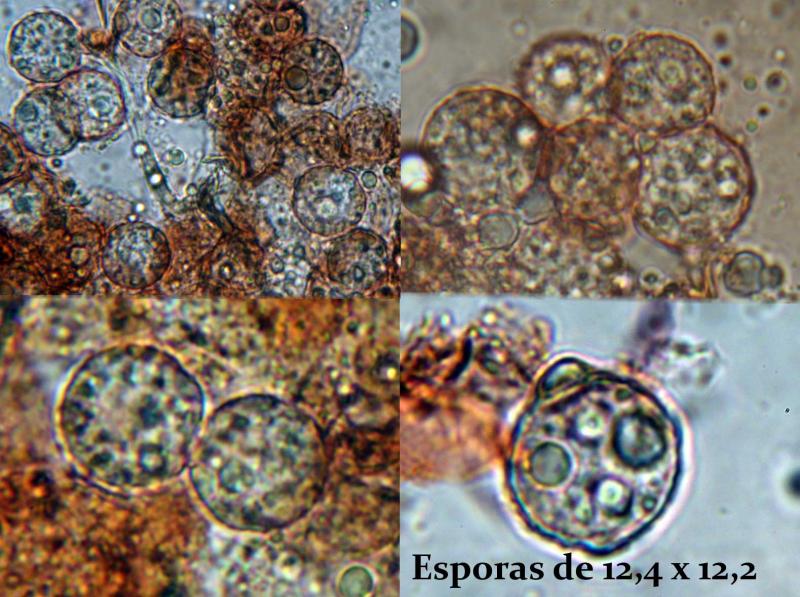

Hello!
I think you are at the wrong forum here :-)
Best regards from Lothar
Gracias
Jacky
sorry - but Metatrichia vesparium is looking very, very different (for instance only: it ist stalked and bears some sporocarps at a common stalk, the spore mass is deep red). I aldready made a more likely suggestion (see subject of my last post).
Regards from LK
these were picked immature and they never actually developed to normal shape but dried on the way.
The shape and presence of capillitium hints to some Dianema.
But in photo 5 there may be a developing stalk and columnella and capillitium is present.
The colour of spores is darkening -> Stemonitales.
They have often white plasmodium, which turns pink and after that they come darker.
Marja
Hi Marja,
I do not agree. You can see at the pictures that the immaturely picked (yes!) sporoarps had ripened quite accurately before they dried. At least they developed capillitium and spores. Completely unripe specimens of myxos (and it had to be very unripe if I should consider it possible that it will become a Stemonitales) do not have spores developed. So - this is a Trichiales - and Dianema is the most likely I can think of.
Regards, Lothar
the development did not finish propely. Part of the spores are huge and I have seen that many times with myxos, that have met unfriendly conditions.
The capillitium (photo 6) is very dark brown at least partly (may be lighter at tips?) and branches and anastomes. In those Dianemas, that I have met, the capillitium is lighter and seldom anastomes.
I still imagine to see a stalk and columnella in the 100x microphoto with brown capillitium radiating from the columnella.
There is the genus Diacheopsis, which is dark coloured and the shape reminds Dianema, but I prefer Lamproderma to the genus for this.
These turned very dark and I know no black Dianema, but there are many species in that genus, that I have not found. So, I may have totally misstepped,
Marja