
12-06-2026 14:50
 François Freléchoux
Bonjour, Voici la brève description d'une Mollis
10-06-2026 21:16
François Freléchoux
Bonsoir,Le dernier du jour, en attendant votre avi
11-06-2026 19:01
 William Slosse
Hello all,In an attempt to make a culture of a sus
11-06-2026 19:03
 Nicolas VAN VOOREN
Chers membres d'Ascofrance,Le site sera placé en

09-06-2026 18:32
Camille MertensSur morceau de roseau immergé 0,5 - 0,7 mm de dia
10-06-2026 12:54
Steve ClementsBonjour encore, Pouvez-vous m'aider, s'il vous pl
10-06-2026 21:07
François Freléchoux
Toutes les tiges de gentianes jaunes de l'an passÃ
10-06-2026 13:41
François Freléchoux
Bonjour à nouveau, Voici une trouvaille d'hier.

Hola a todos.
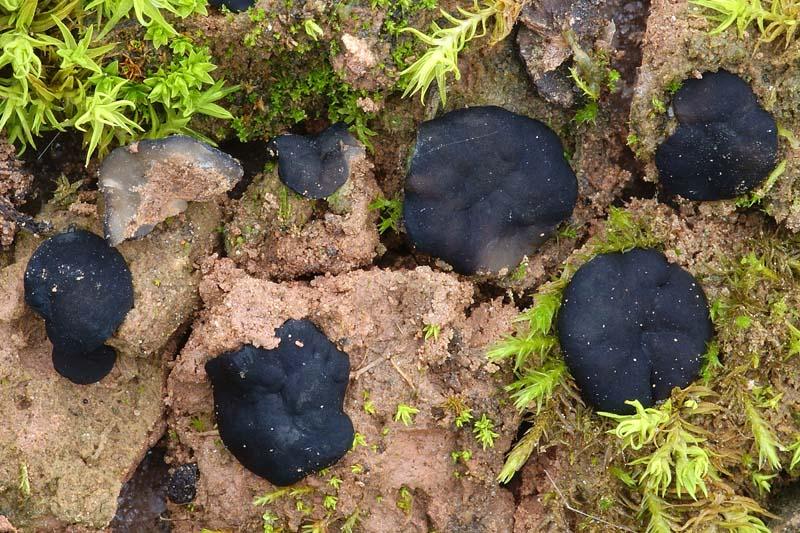
Subo unas imágenes de un disco negruzco que hemos encontrado hoy sobre tierra húmeda, en un bosquete de P. halepensis y carrascas,
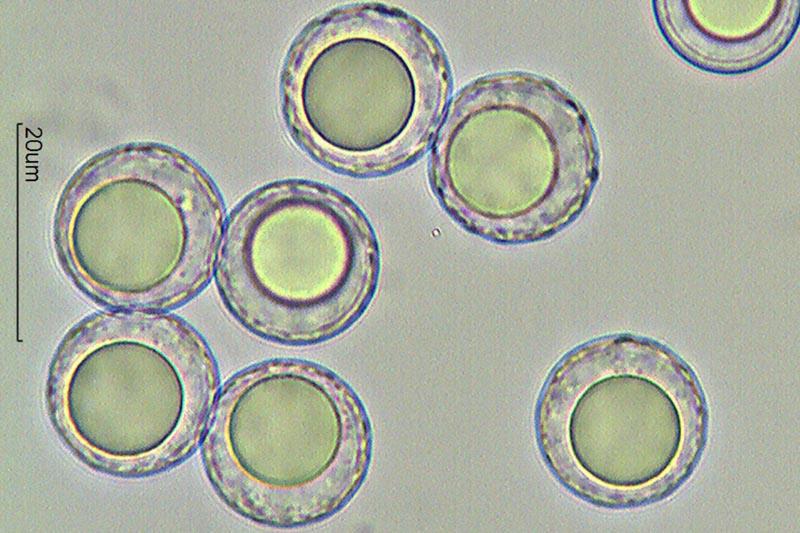
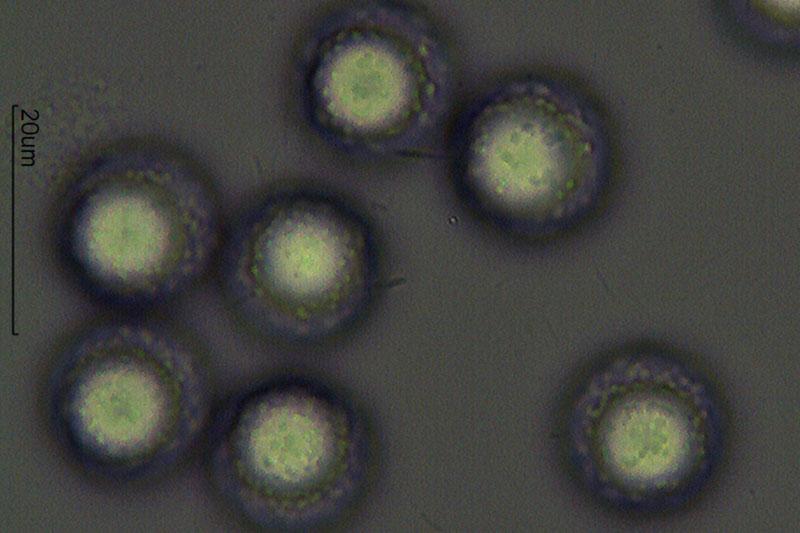
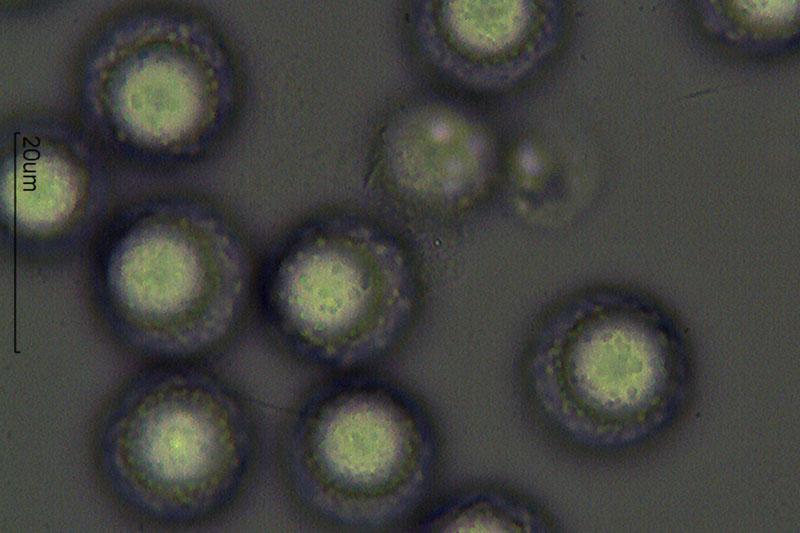
Tiene esporas esféricas de 14,5-17,5 micras, con verrugas redondeadas muy pequeñas y aisladas.
No vistos croziers, IKI(-).
¿Qué os parece que puede ser?
Gracias por su ayuda.
Rubén
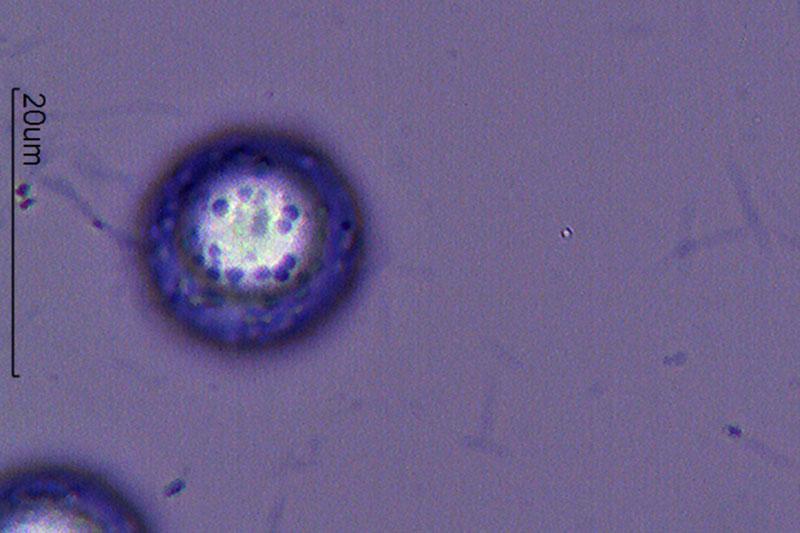
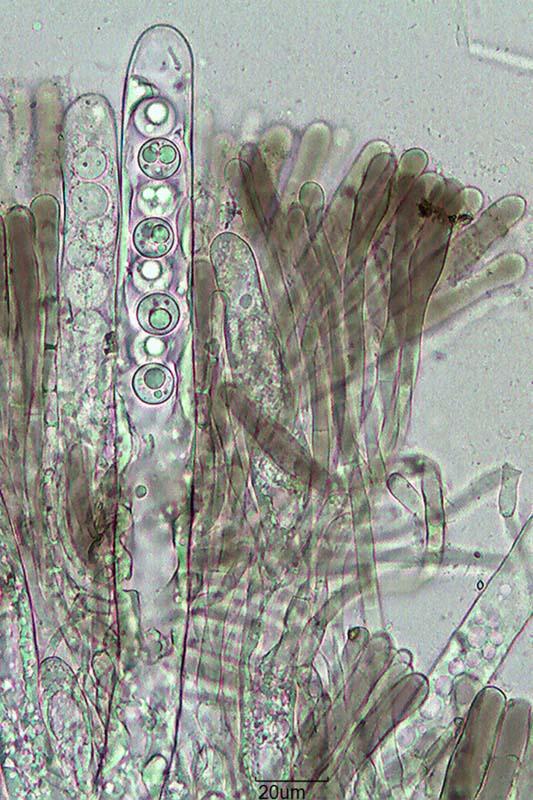
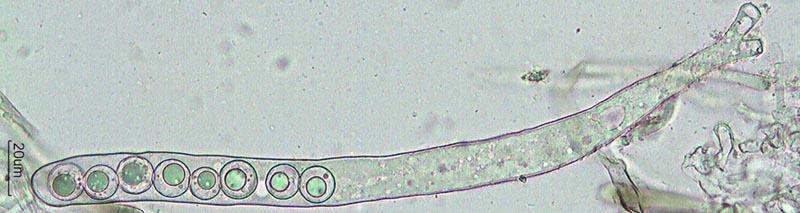
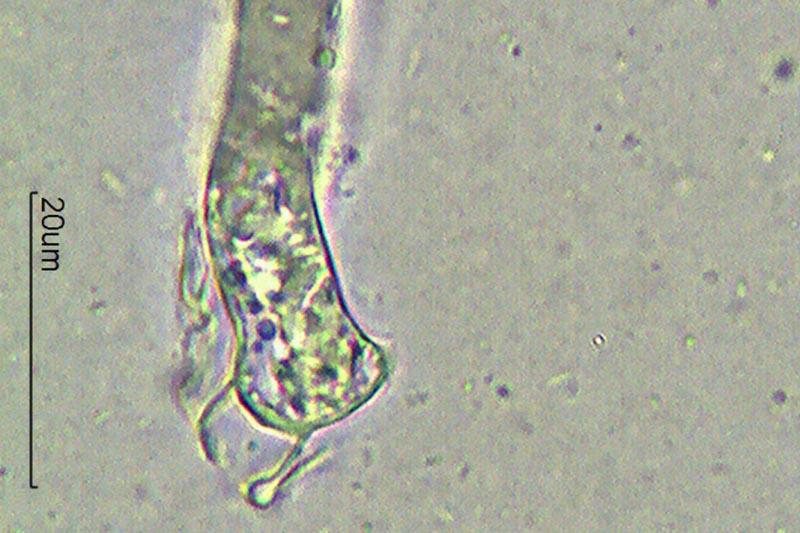
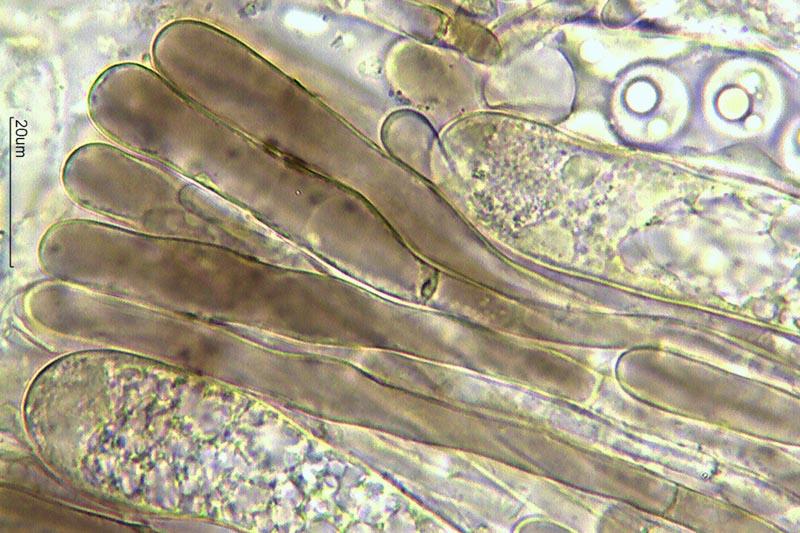
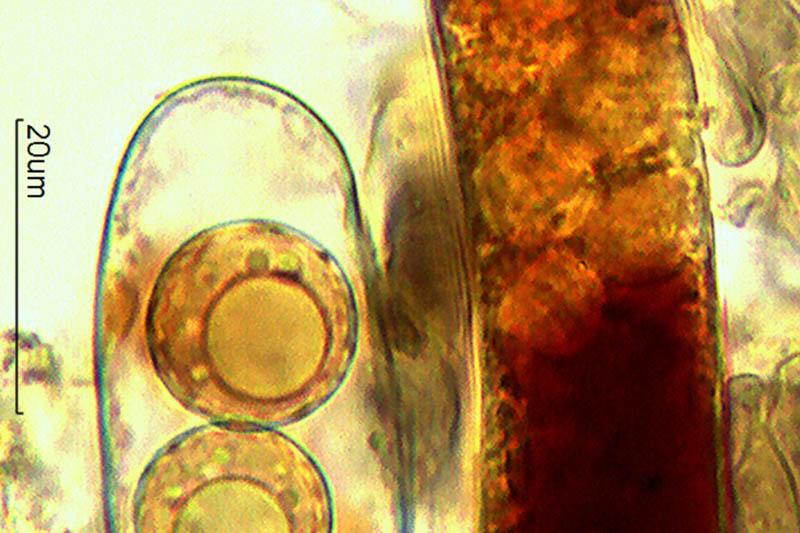
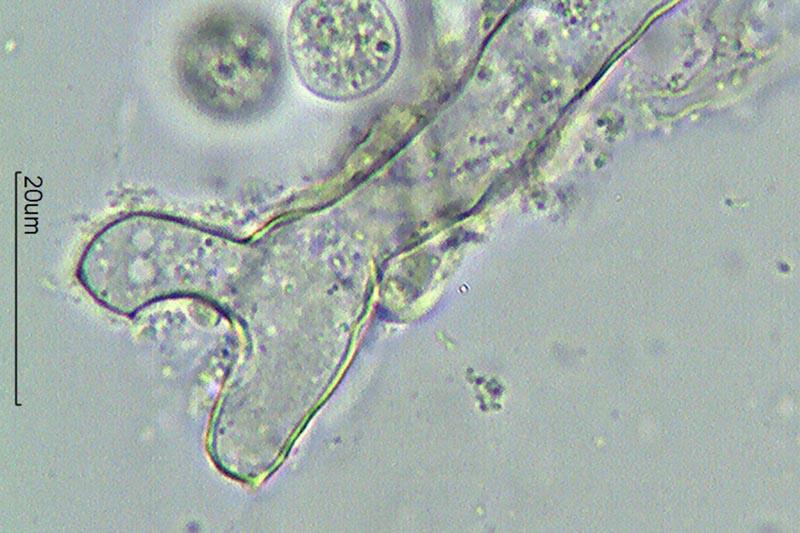
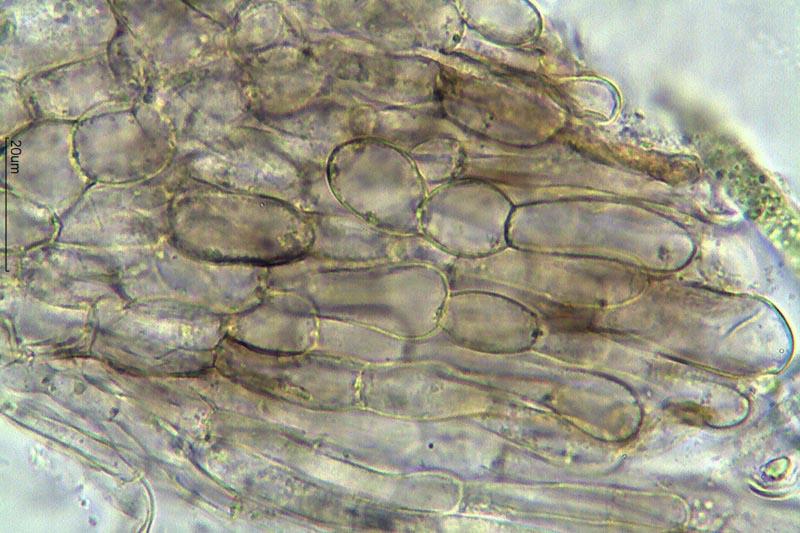
Hola de nuevo.
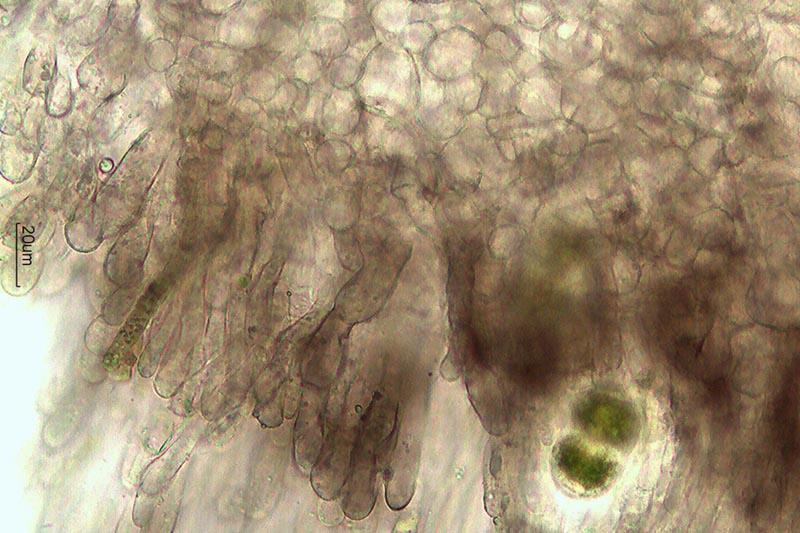
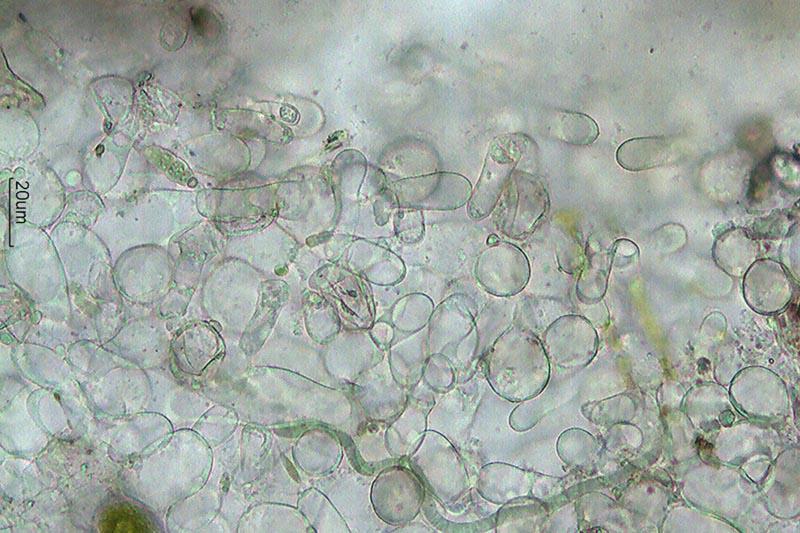
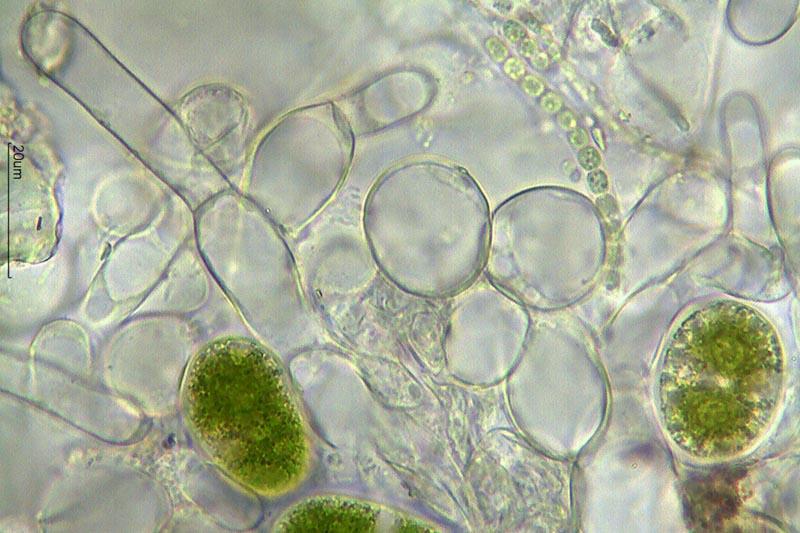
Subo unas imágenes del excípulo ectal y del margen del apotecio, así como de la base de las ascas bifurcada.
Un saludo
Rubén

may be Scabropeziza/ Plicaria spec.
Peter.

I don't know but only for information, see description of Greletia (Smardaea) mülleri, an american species.
Beñat
Gracias Peter, Beñat.
He mirado Greletia mülleri y la ornamentación esporal es parecida y podría encajar, pero la medida esporal es algo menor.
Seguiré buscando.
Un saludo
Rubén
Hope you find the correct name for it.
Sincerely,
zaca
Plácido
M. pseudoanthrancina is a Peziza, see fungi non delineati by René.
And spores of it are around 7-8 µm, not 14-17 like here. A big difference, no ?
Agur bero bat,
Beñat
For a project dedicated to some Marcelleina species, we had the opportunity to sequence Rubén's collection. A paratype of Marcelleina donadinii was also revised and sequenced, and appears to be the same as Rubén's fungus!
Except the spore size, slightly smaller, Ø (12.5) 13-15 µm, in the paratype, the other features agree with Moravec's description (1987). Note that Moravec's drawing of ascospores doesn't correctly render the small warts on the surface (its SEM photos are more informative).
Finally, this species seems to be a member of Discinaceae...
Gracias por la información.
Un abrazo
Rubén