
22-04-2026 20:17
 Marian Jagers
Is anyone familiar with the Hyphomycetes genus Pse
22-04-2026 20:54
 Enrique Rubio
Hi to everybody.This Pyrenopeziza grew in moist le
22-04-2026 01:06
 Richard VALERI
Bonjour à tous.Je vous présente cette Nectria s.
21-04-2026 13:36
Gernot FriebesHi,I am out of ideas for this one. I collected Sal
21-04-2026 13:19
Gernot FriebesHi,this Lophodermium on Typha has ascospores measu
21-04-2026 13:05
Gernot FriebesHi,this hyphomycete feels familiar but I was not a
20-04-2026 22:00
 Malcolm Greaves
These pale yellow, hairy ascos were growing on cul
Hi again
I'd like your help with this small patellarioid, sessile, Peziza < 10 mm in diameter with greenish hymenium and fuscous excipulum that grew on very rotten wet hardwood near a rivulet.
I see any visible latex when I studied it but under the microscope there are very abundant greenish yellow pigment around the paraphyses and in all the excipulum. The ascospores are smooth with gel sheaths when they are ejected from the asci. I HAVE SEEN ANY CROZIERS AT THEIR BASE. The excipulum is built by a continuous textura globulosa mixed with elongated or inflated cells with any layer with textura intricata.
I don't find any species that matches with these characteristics.
Have you some idea?
Thanks again
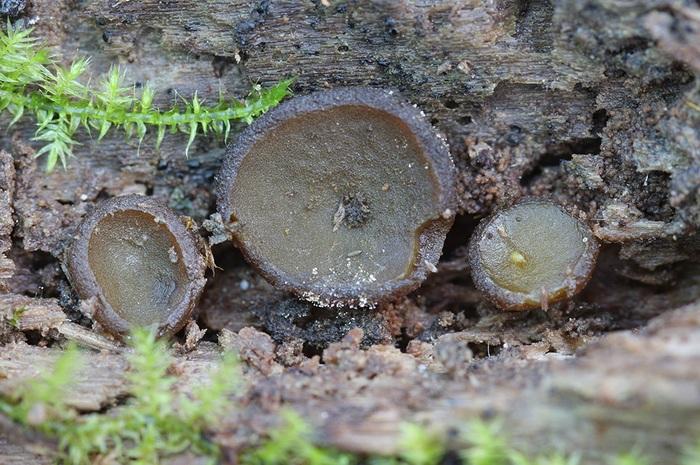
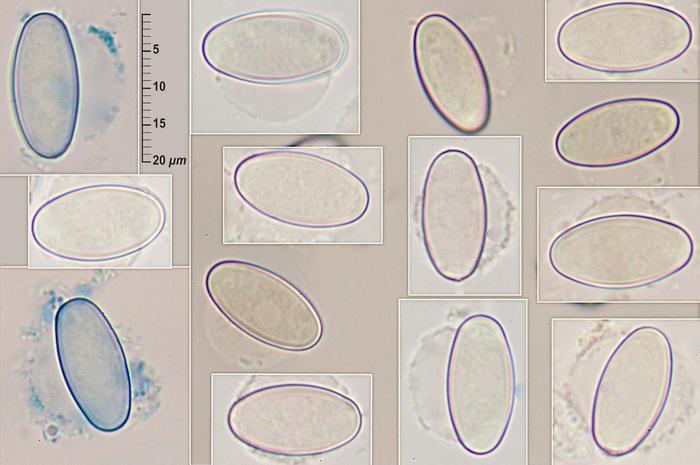
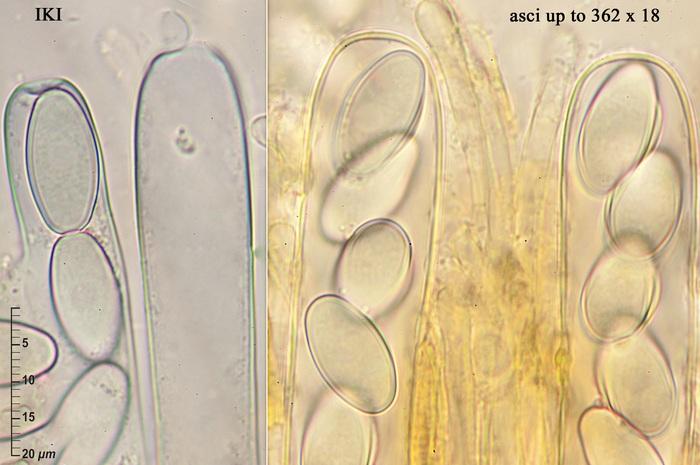
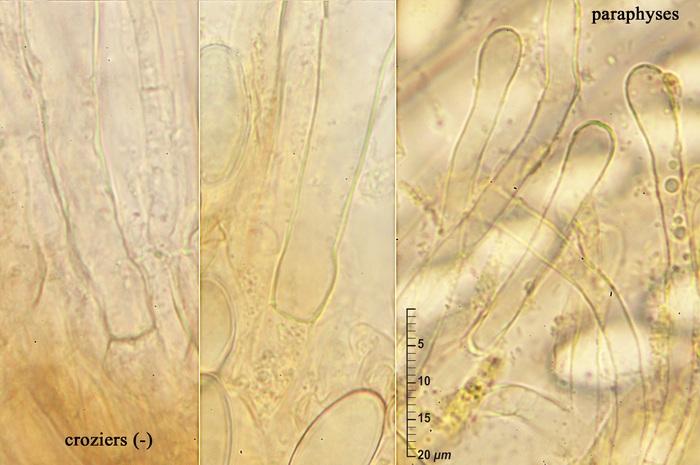
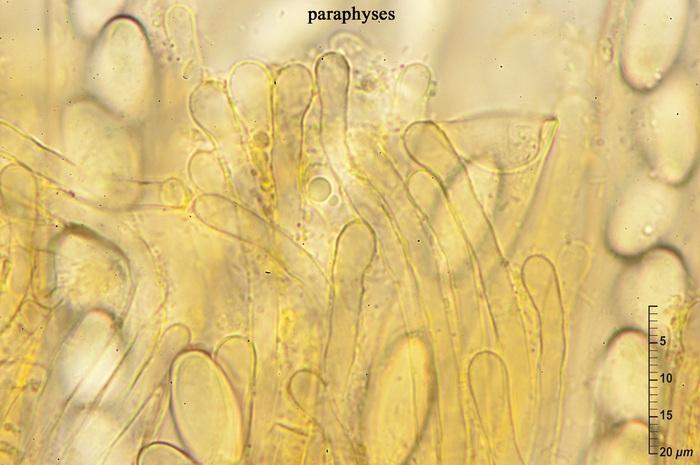
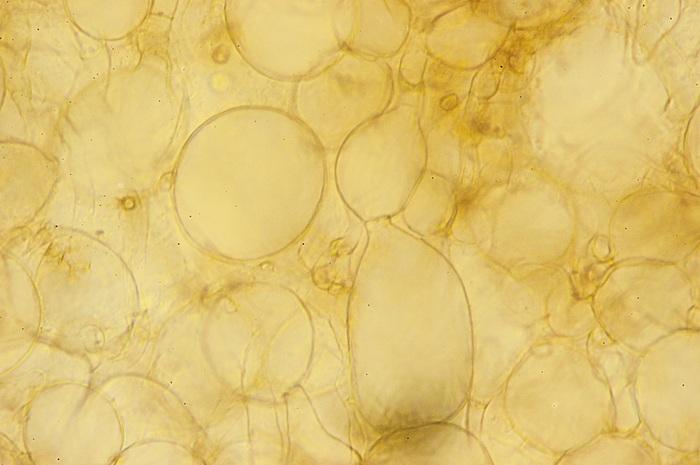
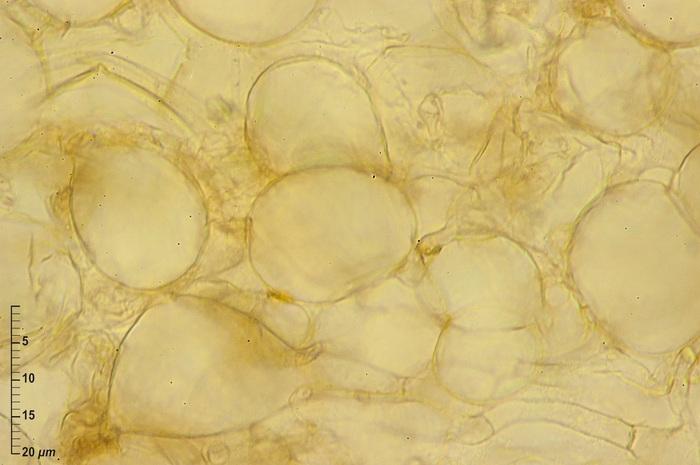

Seems you have Peziza simplex Dougoud et Moyne.
It is however hard to use your scale on microsporograph directly on screen...so I am unsure about your spore measurments.
The species is published in Ascomycete 4(2): 15 (2012).
Cheers,
N.
Hi Neven. Sorry I forgot to add the measurements. I cannot access to Ascomycete.org for to read the original description of P. simplex. Is my sporogram compatible with this species?
Thanks!
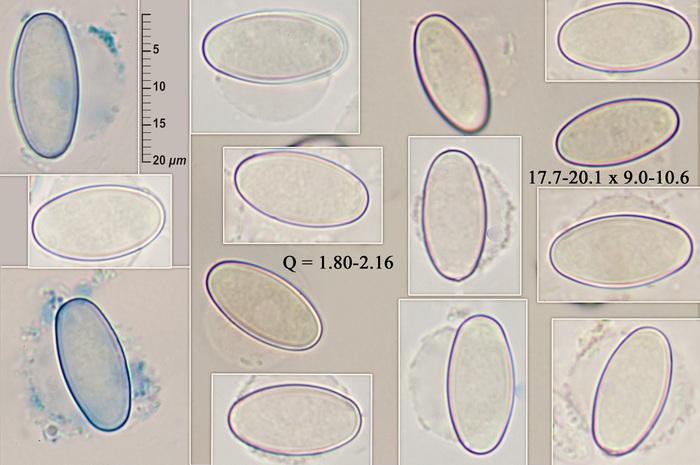
Has someone the description of Peziza simplex?
I cannot access to Ascomycete.org
Thanks!

Je viens de te l'envoyer.
Michel.
Cette espèce ne correspond pas à P. simplex Dougoud & Moyne, mais malheureusement, je n'ai aucun nom à proposer !!
Je ne comprends pas, sur la photo montrant la base des asques il est noté Croziers (-) et dans le texte il est indiqué que des crochets ont été observés. Par ailleurs, la photo ne permet pas de définir avec précision le type d'asque.
A titre d'information, il faut observer la présence éventuelle de crochets sur de jeunes à très jeunes asques en utilisant, c'est mieux, un colorant. Pour certaines espèces, c'est le seul moyen de définir avec certitude le type d'asque. Pour plus de précision Dougoud R. 2013 :76. Contribution à l'étude des Discomycètes. Ascomycetes.org (en ligne pour tous).
Amicalement
René
Bonjour René
L'espece n'a pas des crochets ou au moins je n'ai vu pas des crochets dans l'eau ou rouge congo. Je pense, avec toi, qu'il n'est pas votre P. simplex.
Merci de ton aide
Well, when I take a look at your spore mesurements Enrique (sorry that I haven't time to check the forum until right now), I can see that your spores are indeed considerably larger than in P. simplex (I check also my own treatment of this species)! If you want, you can send me a part of the collection if it is still alive to perform special tests we designed for pezizaceans. We have many different OTUs apparently closely related to your find! We can later make something together out of this if it turns out to be something distinctive.
HI Neven
Sorry but the collector was my friend M. Tapia from Navarra (NE of Spain) that sent me only one living apothecium 0.7 mm in diameter. I think it is a very small piece four your tests, but if you consider it is sufficient I can send you it.
Yes, indeed it's too small for non-molecular purpose! :-)
Never mind. Perhaps if the orgnism appear again - we may take it into consideration if you'd want to.
Cheers,
N.
Hi Neven
My friend will try to obtain more material
Cheers
Enrique
That's great!
Should he find it again, feel free to send any data to my e-mail
Cheers,
N.