
08-04-2026 20:33
 Vasileios Kaounas
Found 07-04-26, in Abies cephalonica. Diameter 1,
08-04-2026 10:39
FRANCIS FOUCHIERBonjour , je recherche en pdf cet article: KORF R

06-04-2026 21:36
 Viktorie Halasu
Hello, could anyone please send me the article wi
06-04-2026 19:40
 David Gibbs
Help with this one much appreciated, on rotting Fa
06-04-2026 11:07
Louis DENYBonjour forum, Trouvé sur bois de feuillu très d
06-04-2026 16:24
Juuso ÄikäsLast Tuesday I found some tiny white Helotiales gr
 Hello,
I found this species a few months ago but had another look at some cones that I kept in a humid box. Frb up to 0,25mm and bright yellow. On cones of pinus sylvestris. Spores 2,5/3x1µm. The link herenunder is a previous post (3 jan 14) about the same imperfect fungi.
http://www.ascofrance.fr/forum/26540/imperfect-fungus-on-cones
Anybody an idea?
Regards,
Ralph
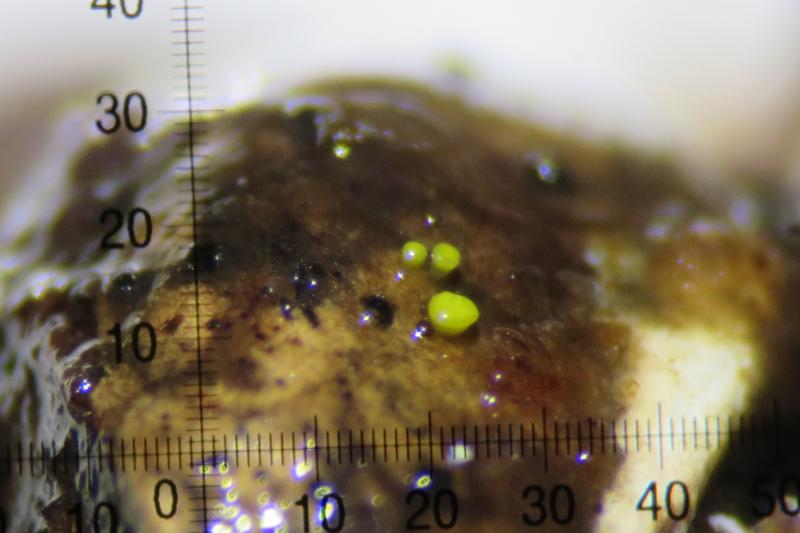
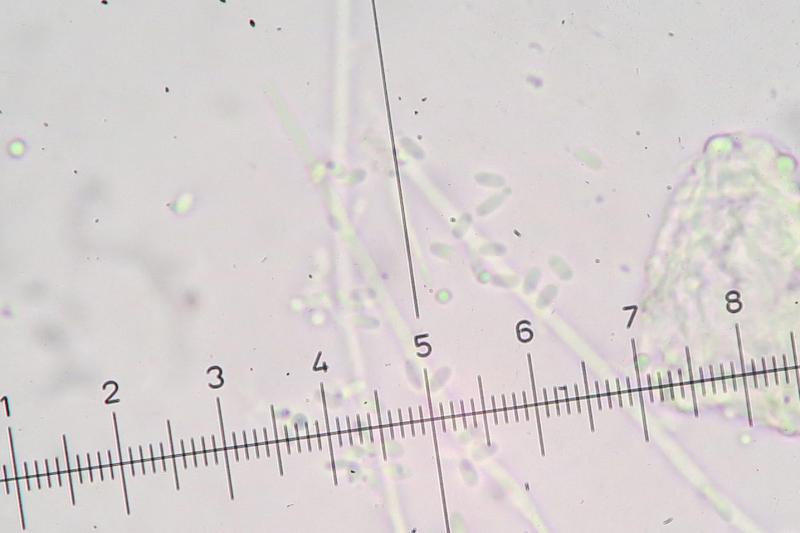
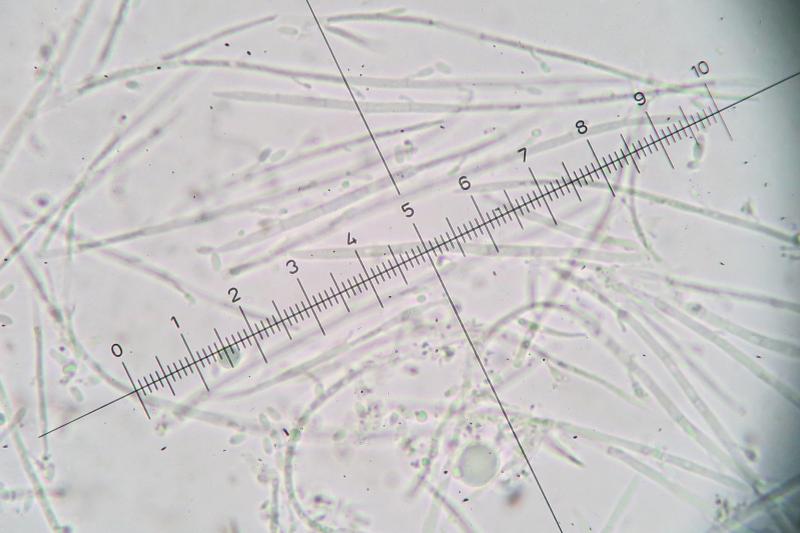
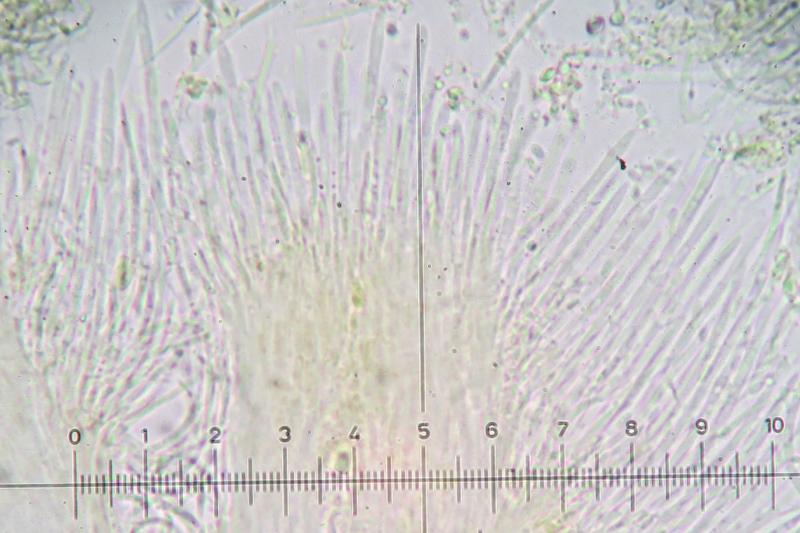
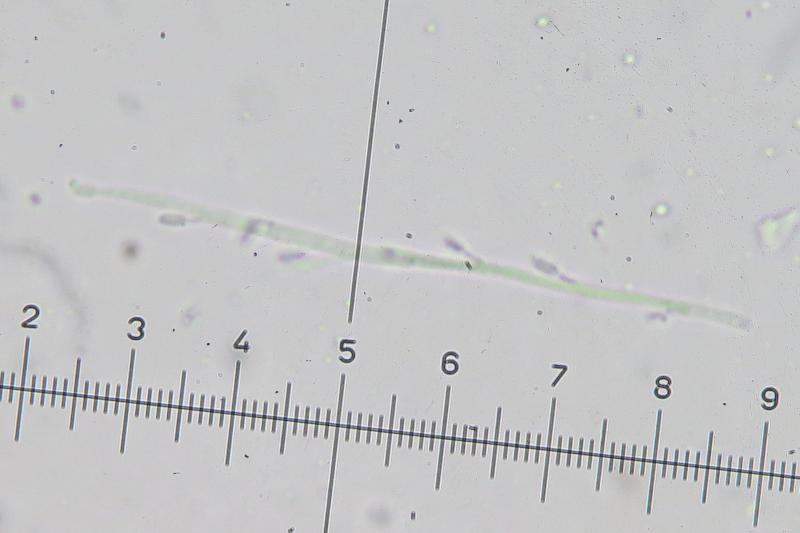
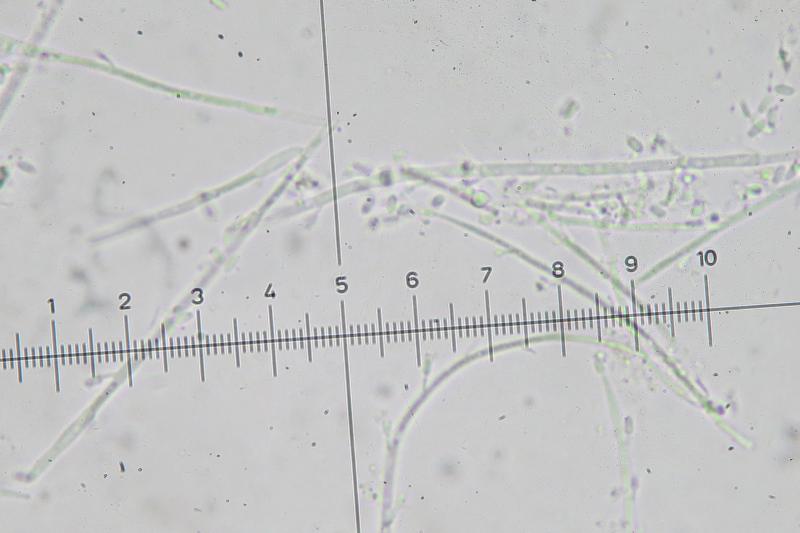
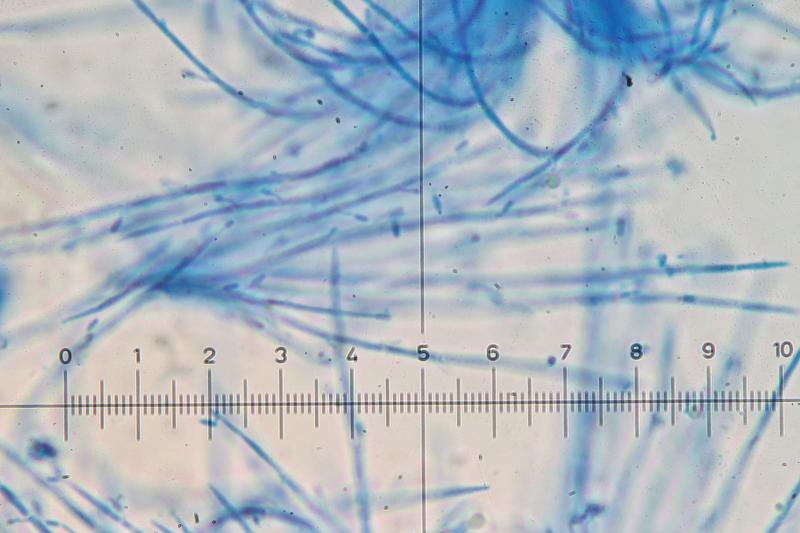
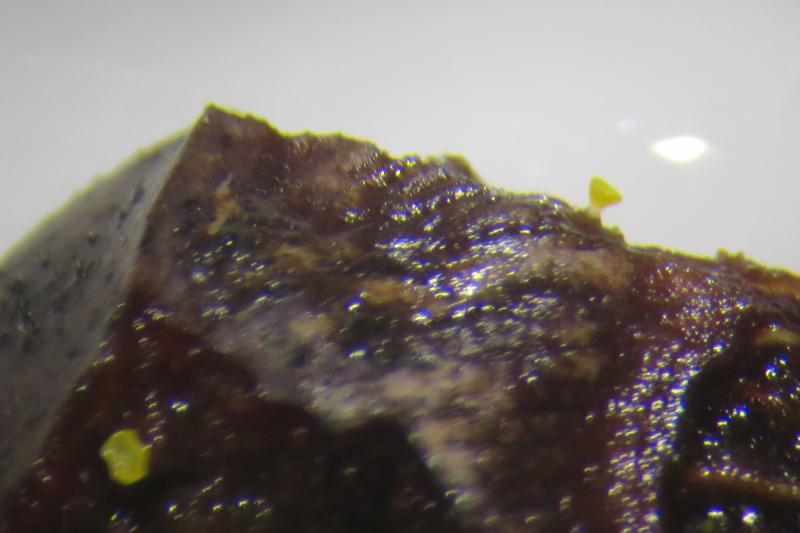
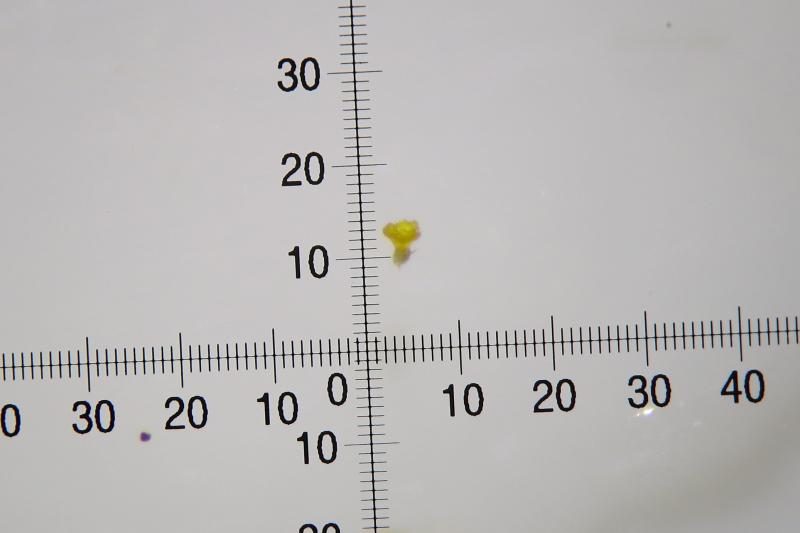

compare with Dendrodochium citrinum.
regards,
björn
Could be.... the only info I have about this species is in Ellis&Ellis. There I see more round spores. Do you have a key of this genus?
regards,
Ralph

Ralph's collection possess pleurogenous conidia (as Tubercularia), thus it is not the genus Dendrodochium which has acrogenous conidia.
Regards,
Christian
Thanks for your answers. In a mail I got from Thomas, he refers to W.B. Grove in British Stem- and leaf-fungi. Coelomycetes vol. 2 (1937). Here you find the following:
Lemalis aurea Sacc. (= Catinula aurea Lev.), Dendrodochium citrinum Grove).
Excipulum lemon-yellow, urn-shaped with a spreading rim, very fragile, shining outside,
about 1 mm high and broad; margin coarsely dentate with groups of hairs. Spores
very numerous, globose, hyaline, yellow, 1,5-2 µm diam., concatenate, involved
in mucus; sporophores long, cylindrical, branched, about 0.75 µm wide, each
producing a whorl of four branches at the apex. On cones of Pinus silvestris.
& on the wood of the same. (when dry resembles Calloria chrysocoma).
regards,
Ralph
Looks like I have found the same species as you on Pinus cones yesterday.
Sp. oblong 2.9-3.7 x 1.3-1.7 µm; with 2 bodies positioned at opposite ends of the conidia.
Did you come to any conclusion on species back in 2014?
Regards
Åeg
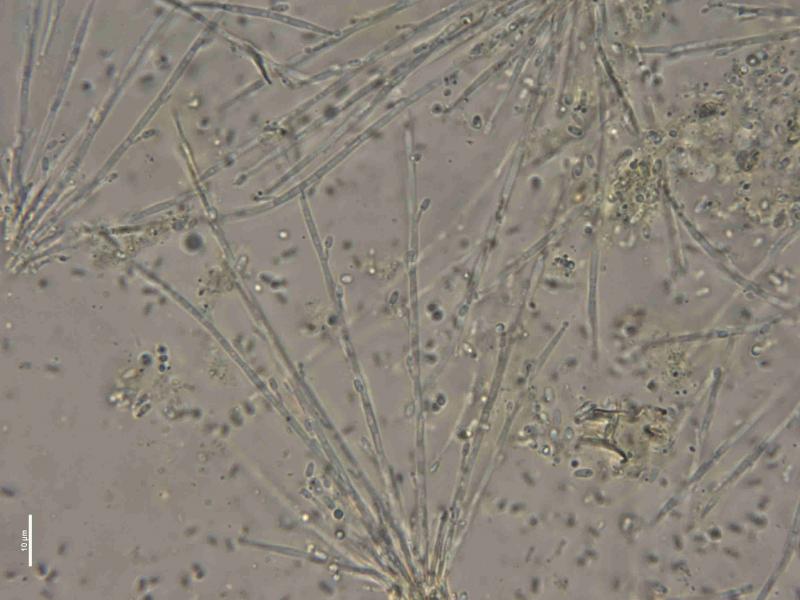

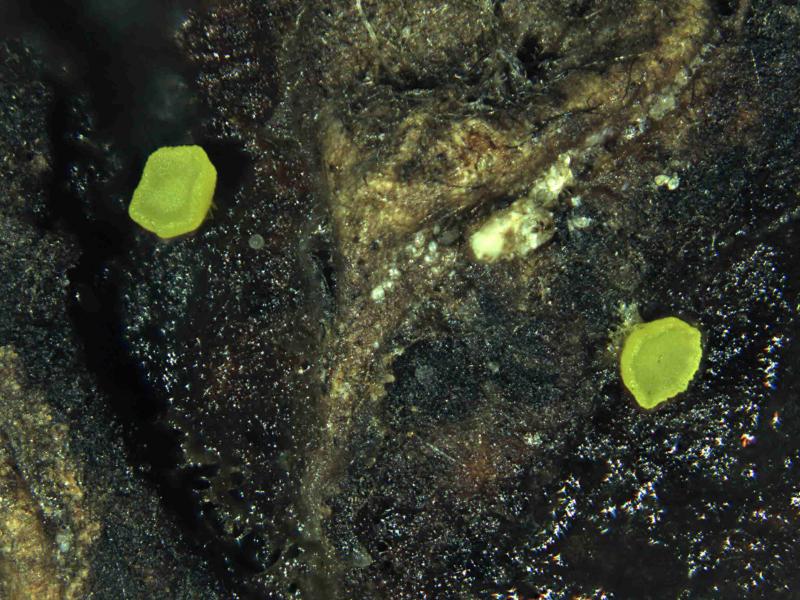
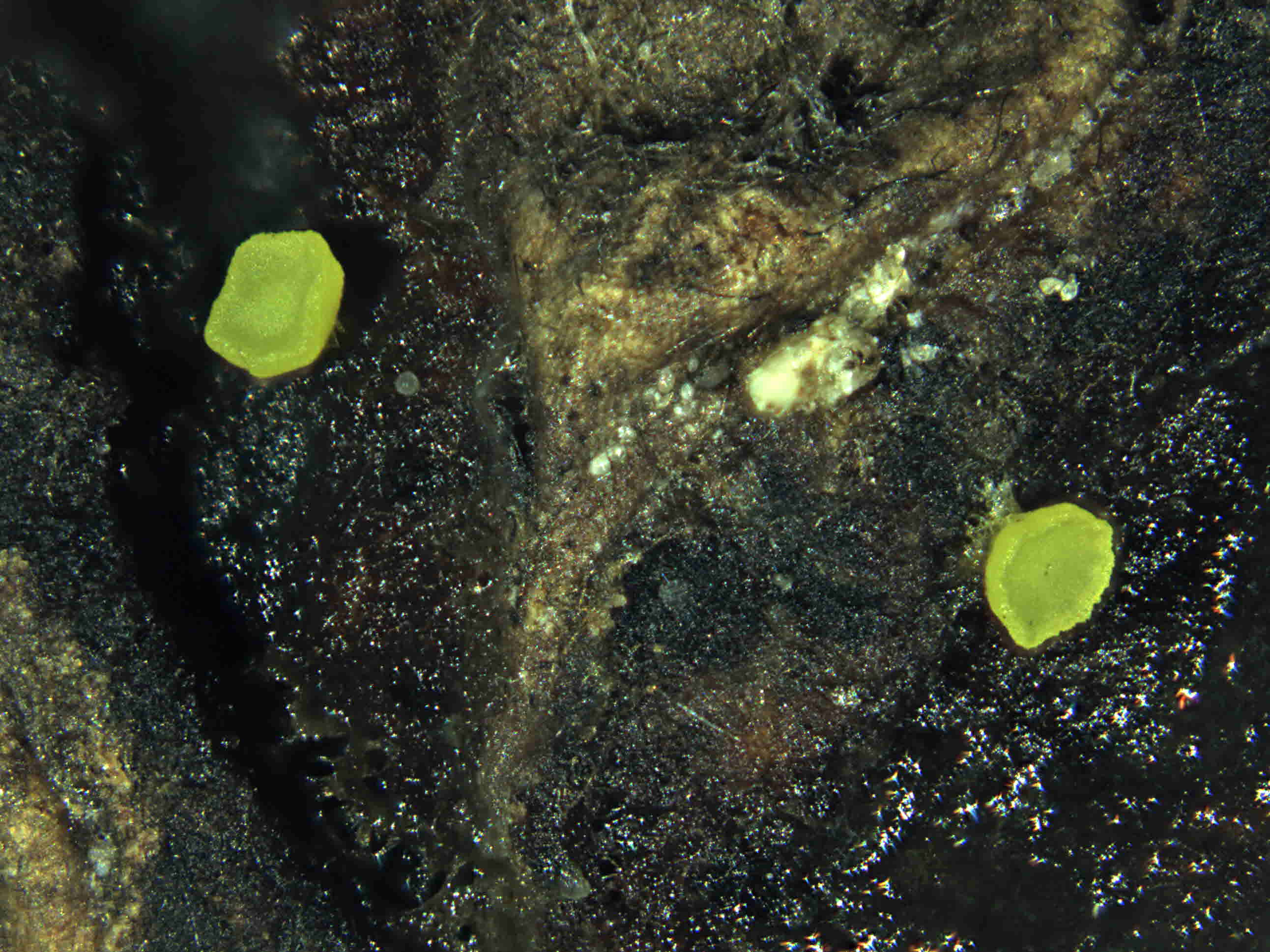 2025-12-07-B-R3-S6-5x-SShB-0001.jpg