06-05-2026 11:25
 Castillo Joseba
Me mandan el material seco de Galicia (España) re
28-04-2026 20:07
 Lothar Krieglsteiner
... on twig in the air at standing Ceratonia siliq
05-05-2026 22:40
Gernot FriebesHi,I believe this is a Plagiostoma growing on a Sa
04-05-2026 18:13
 Stephen Martin Mifsud
ID request for what seems to be a true aquatic fun
04-05-2026 16:39
Stephen Martin Mifsud
ID request: This specimen was collected in Malta o
28-07-2011 18:31
 Alex Akulov
Dear FriendsToday I made the pdf file of Velenovsk
04-05-2026 09:50
Castillo Joseba
Me mandan el material seco de Galicia,(España) re
02-05-2026 12:42
Alain BRISSARDBonjour à tousJeuidi 30 avril dernier on m'a remi
02-05-2026 13:06
Pauline. PennaBonjour Please can someone help me with this id
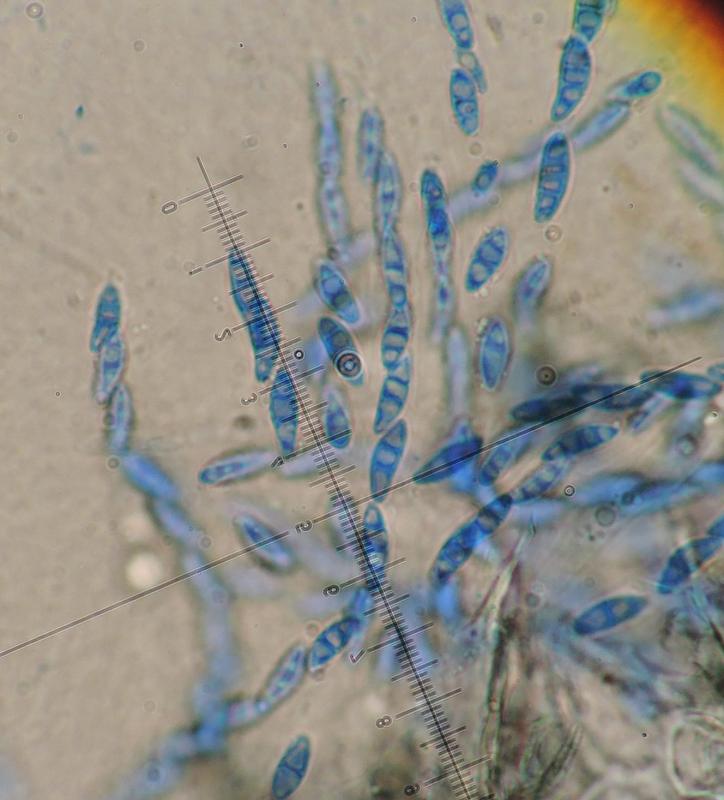
Periphyses septate, diameter 7 mu, apical part 4 mu.
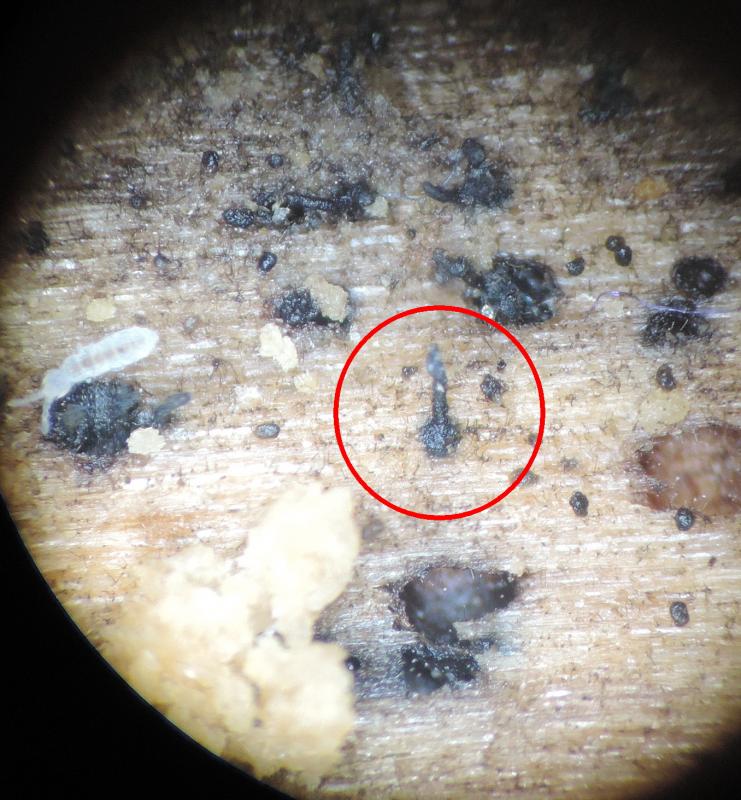
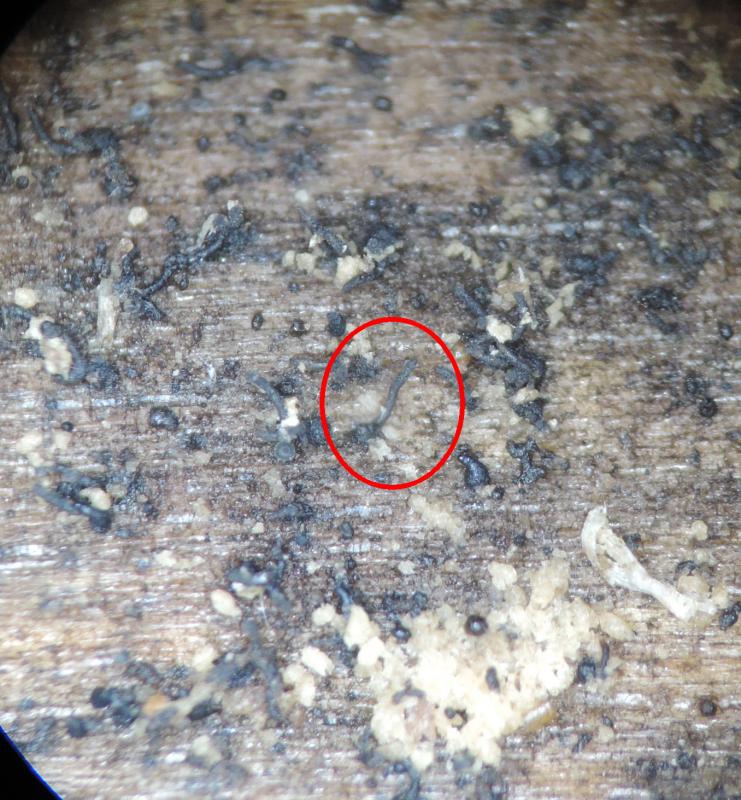
The pycnidia (0.25-0.5 mm) with necks up to 0,7 mm, half to largely immersed in the substratum. Top of neck with light-coloured drops consisting of spores.
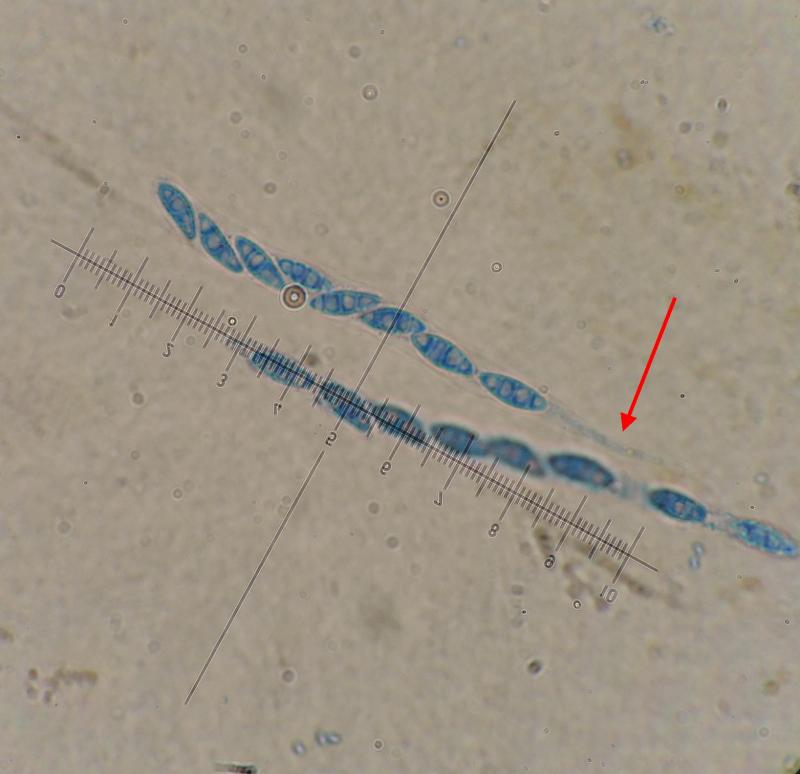
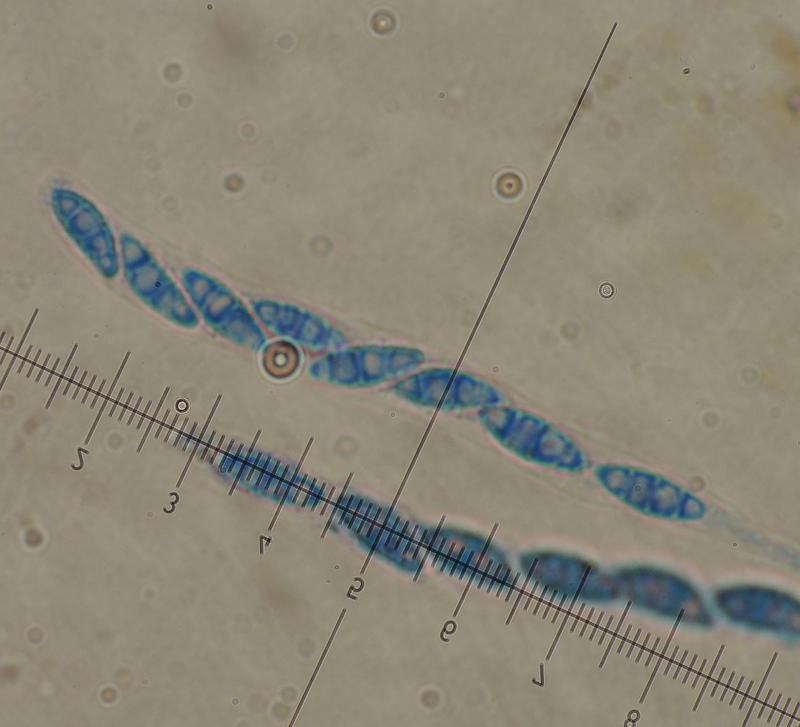
My first idea was: Lentomitella, i.e. L. crinigera but this species has a short stipe and ellipsoid striated spores with rounded ends (no stipes shown in drawings and photos of Reblova 2006). Ceratosphaeria is another long-necked pyrenomycete, but these species have even longer spores and/or more septa. Another option would be Rhodoveronaea varioseptata, of which the teleomorph was described by Reblova in 2009. Some characters fit well (spore form, spore wall, thin stipe), but this possibility was rejected because the spores are too small compared with the epitype: 14-16.5 x 6-6.5 mu (the other, Swedish specimen examined by Reblova has even larger spores). Also the necks are at variance with Reblova's description: not tapering to the top and much longer.
What else could it be? All suggestions will be much appreciated.