
29-04-2026 10:44
 Lothar Krieglsteiner
growing at moist, drying-out soil at the side of a
11-05-2026 12:32
 Bernard CLESSE
Pourriez-vous m'aider à identifier cette héloti
28-04-2026 20:07
Lothar Krieglsteiner
... on twig in the air at standing Ceratonia siliq
05-04-2026 22:46
Lothar Krieglsteiner
on wood of Ceratonia, Algarve, 3.4.2026.The color
10-05-2026 16:18
brigitte vignotbonjour trouvée en Ariège sur bois une petite
10-05-2026 23:17
 Andreas Gminder
Hello,today we found in a moist steep decidous for
27-04-2026 17:16
Lothar Krieglsteiner
.. Algarve, moist lying.The conidiomata look like
10-05-2026 09:02
Buckwheat PeteHello everybody, ould this be Lachnum subvirgineu
Spathularia flavida?
Rubén Martínez-Gil,
09-12-2013 01:09
 Hola a todos.
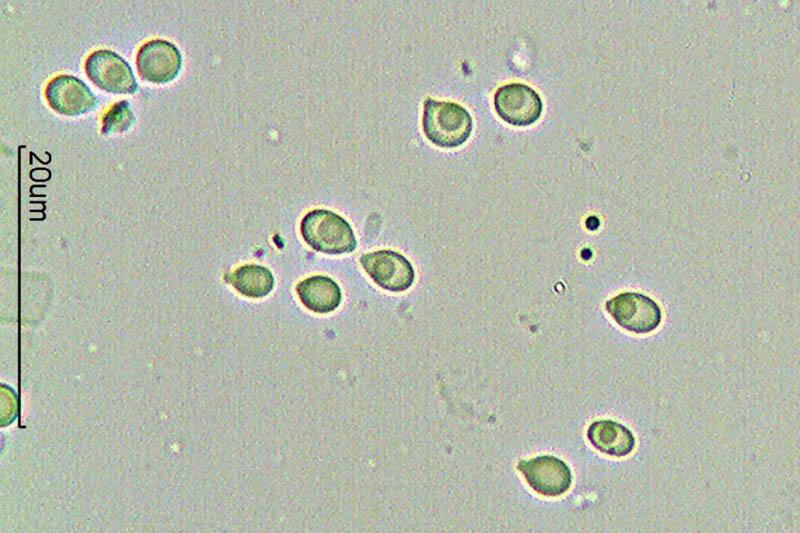
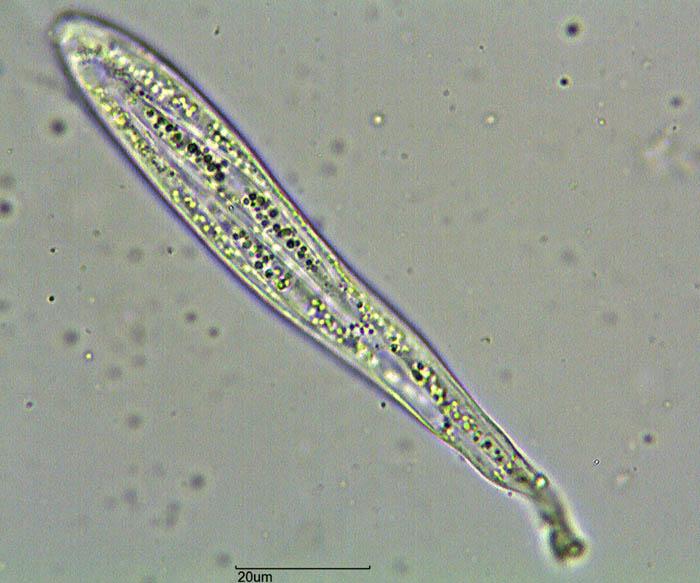
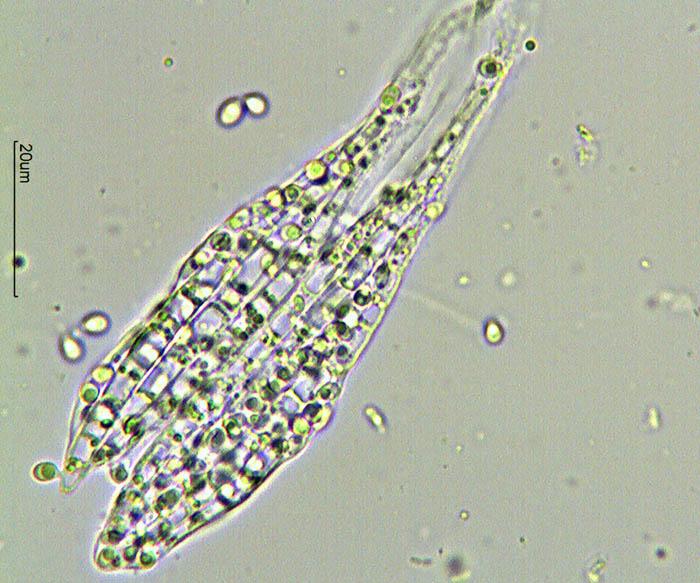
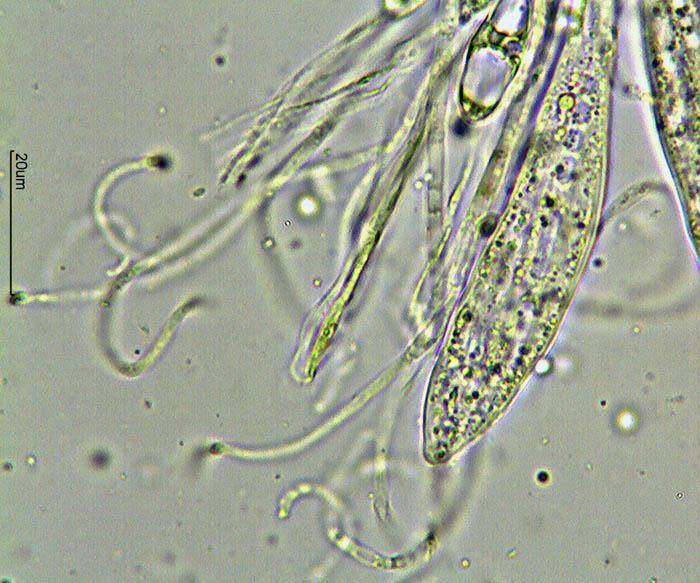
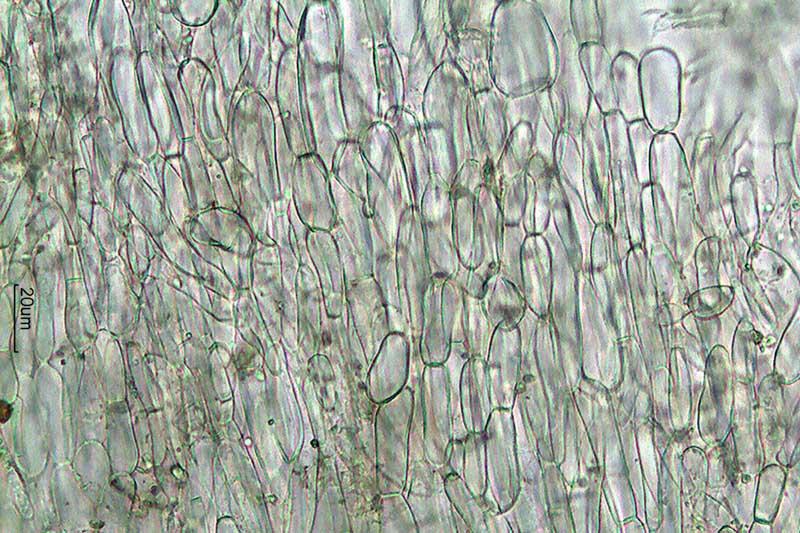
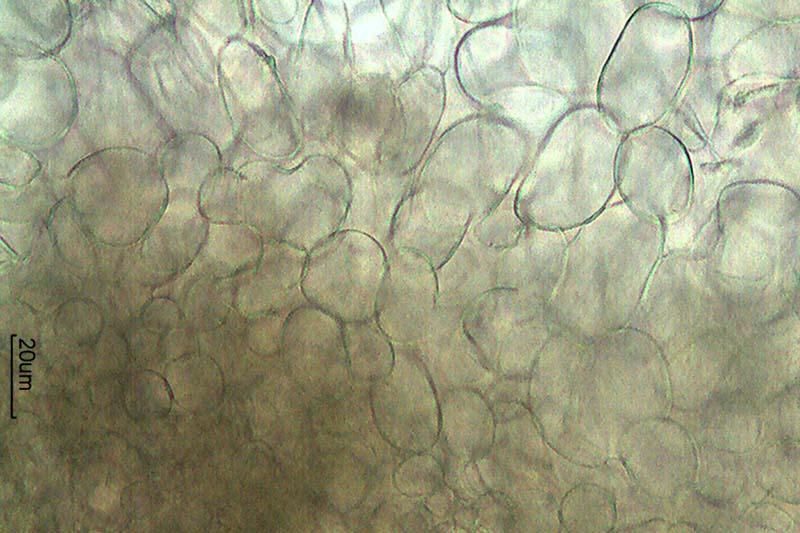
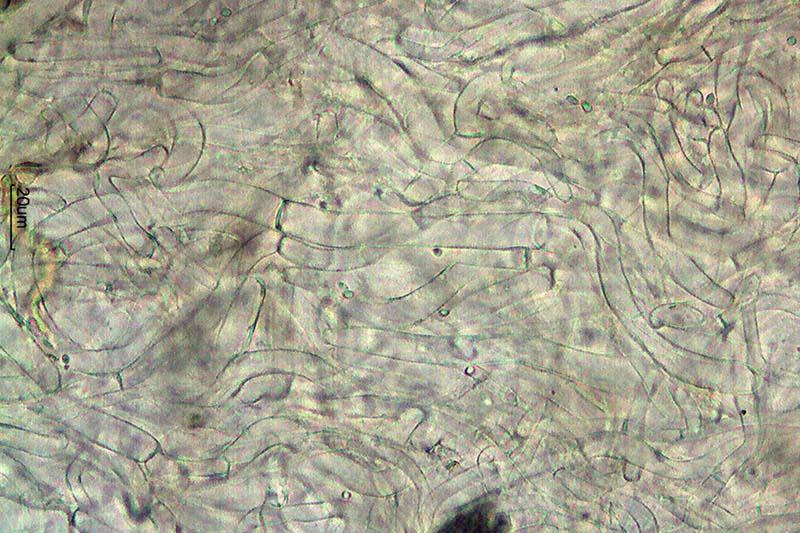
Pongo unas fotos de Spathularia que encontré en bosque de P. nigra con boj, entre musgos.
He visto que en las esporas se forman unos conidios y esto es visible hasta dentro de las ascas.
Esporas de 45-70 (95) x 3-5 micras.
En Medardi he leído que esto ocurre en S. rufa=S. neesii.
Gracias por la ayuda.
Un saludo
Rubén
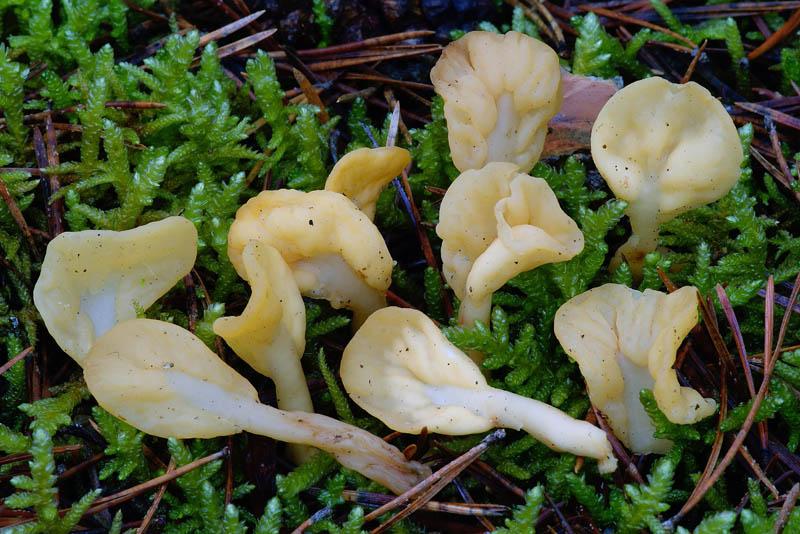
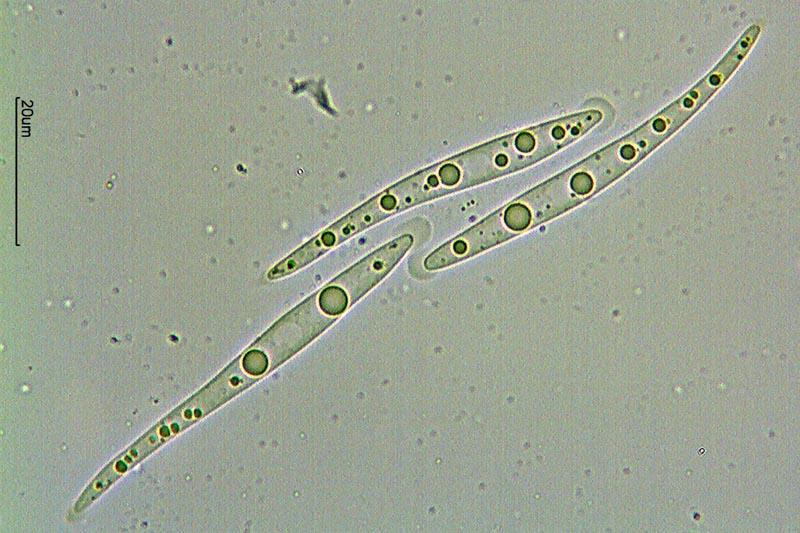
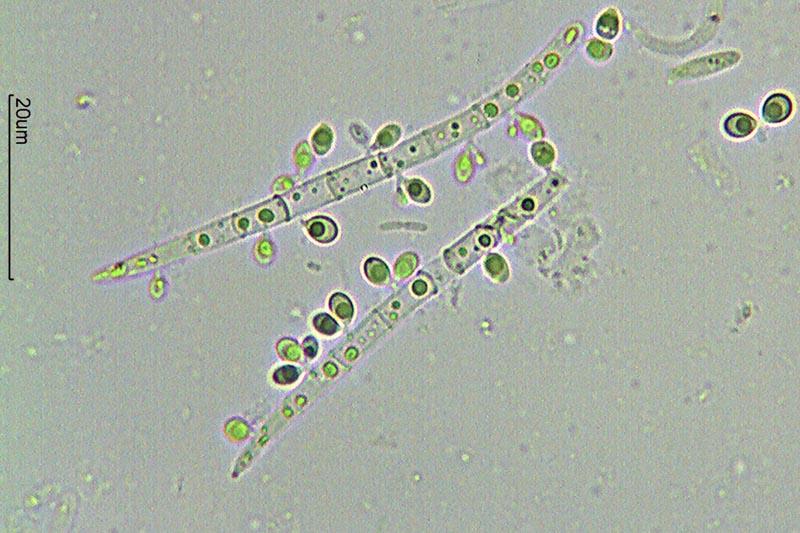
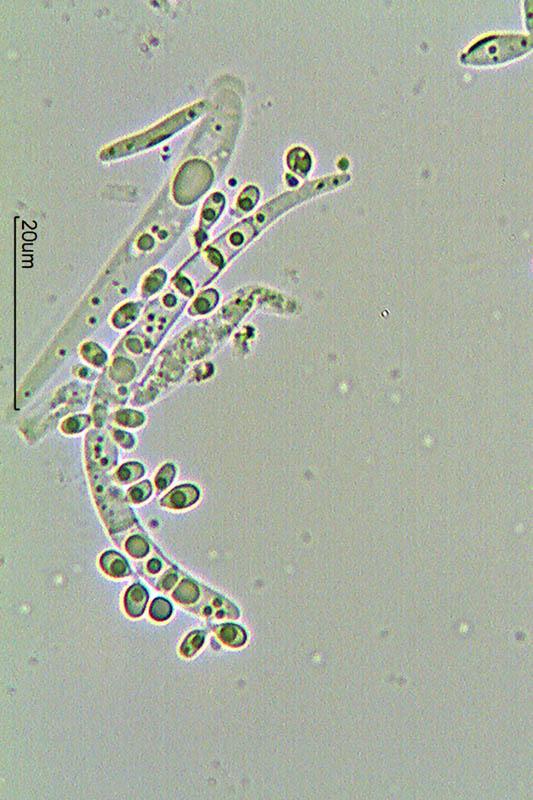
Rubén Martínez-Gil,
09-12-2013 01:15
Re : Spathularia flavida?
Van fotos de otras estructuras.
Saludos
Rubén
Saludos
Rubén
Hans-Otto Baral,
09-12-2013 10:07

Re : Spathularia flavida?
Hi Ruben
I hope you do not believe that the ascus with the germinating spores insed is still alive
:-).
This feature of conidial formation within the dead asci is very typical of all Spathularia and Cudonia species. But you will never see it inside turgescent asci, therefore the conidia are no ascoconidia as for instance in some Claussenomyces species. This means they are not ejected with the spores but usually formed after ejection, which is their proper destination.
Zotto
I hope you do not believe that the ascus with the germinating spores insed is still alive
:-).
This feature of conidial formation within the dead asci is very typical of all Spathularia and Cudonia species. But you will never see it inside turgescent asci, therefore the conidia are no ascoconidia as for instance in some Claussenomyces species. This means they are not ejected with the spores but usually formed after ejection, which is their proper destination.
Zotto
Rubén Martínez-Gil,
09-12-2013 12:01
Re : Spathularia flavida?
Hola Zotto.
Gracias por su respuesta.
Es verdad que todas las ascas que contienen esporas con conidios están rotas.
¿Cómo puedo saber si las ascas están vivas o cuáles son las vivas?
¿Por qué se forman los conidios en las esporas? ¿Por las condiciones climáticas adversas?
Un saludo
Rubén
Gracias por su respuesta.
Es verdad que todas las ascas que contienen esporas con conidios están rotas.
¿Cómo puedo saber si las ascas están vivas o cuáles son las vivas?
¿Por qué se forman los conidios en las esporas? ¿Por las condiciones climáticas adversas?
Un saludo
Rubén
Hans-Otto Baral,
09-12-2013 12:13
Re : Spathularia flavida?
The conidia are perhaps spermatia that do not germinate but are only for transferring their nuclei to a mycelium.
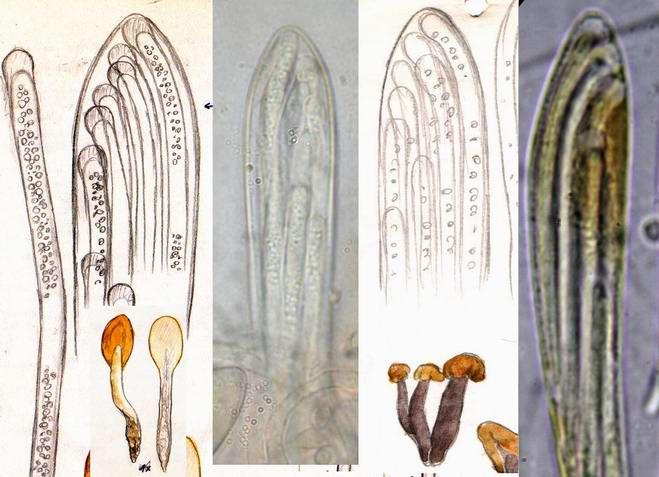
Living asci have more or less copious water inside, below and aside of the spores. In Spathularia and other Rhytismatales it is not as much as in operculates or Helotiales, but anyway clear enough. For Cudoniaceae I have no photo or drawings of entire asci. maybe the attached collage helps, only the right ascus is dead.
Also spore septation occurs only in overmature spores.
Zotto
Living asci have more or less copious water inside, below and aside of the spores. In Spathularia and other Rhytismatales it is not as much as in operculates or Helotiales, but anyway clear enough. For Cudoniaceae I have no photo or drawings of entire asci. maybe the attached collage helps, only the right ascus is dead.
Also spore septation occurs only in overmature spores.
Zotto
Rubén Martínez-Gil,
09-12-2013 12:32
Re : Spathularia flavida?
Gracias por la información, Zotto.
Pensé que igual se podía observar si el asco está vivo con algún colorante o reactivo.
Un saludo
Rubén
Pensé que igual se podía observar si el asco está vivo con algún colorante o reactivo.
Un saludo
Rubén
Hans-Otto Baral,
09-12-2013 12:37
Re : Spathularia flavida?
yes, you can do that, though it is not necessary. If you have the fungus still fresh, make a water mount without pressing, and add Cresyl blue or similar basic dyes (Toluidin blue), but always aqueous, without lactophenol or the like. The aspect will be different between living and dead asci.
Rubén Martínez-Gil,
09-12-2013 21:26
Re : Spathularia flavida?
Ya tengo los ejemplares secos, pero lo intentaré la próxima vez.
Gracias por todo.
Rubén
Gracias por todo.
Rubén