
12-06-2026 14:50
 François Freléchoux
Bonjour, Voici la brève description d'une Mollis
10-06-2026 21:16
François Freléchoux
Bonsoir,Le dernier du jour, en attendant votre avi
11-06-2026 19:01
 William Slosse
Hello all,In an attempt to make a culture of a sus
11-06-2026 19:03
 Nicolas VAN VOOREN
Chers membres d'Ascofrance,Le site sera placé en

09-06-2026 18:32
Camille MertensSur morceau de roseau immergé 0,5 - 0,7 mm de dia
10-06-2026 12:54
Steve ClementsBonjour encore, Pouvez-vous m'aider, s'il vous pl
10-06-2026 21:07
François Freléchoux
Toutes les tiges de gentianes jaunes de l'an passÃ
10-06-2026 13:41
François Freléchoux
Bonjour à nouveau, Voici une trouvaille d'hier.
A terrestrial Yellow cup fungi from Panama
Esquivel-Rios Eduardo,
16-09-2012 21:01
I found this yellow cup fungi in the soil, humid and dark place, any expert can help in the identification.?
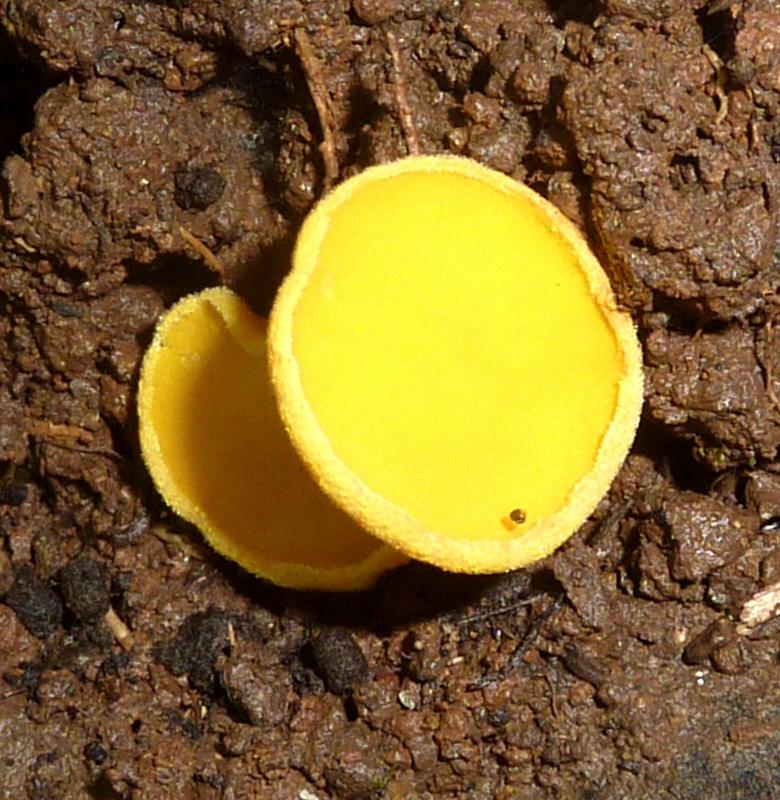
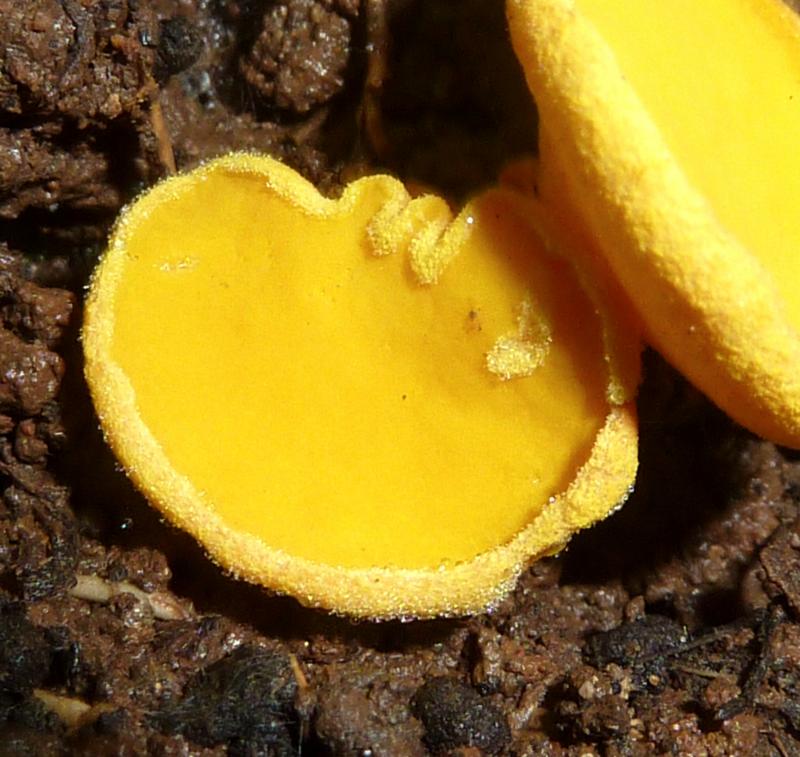
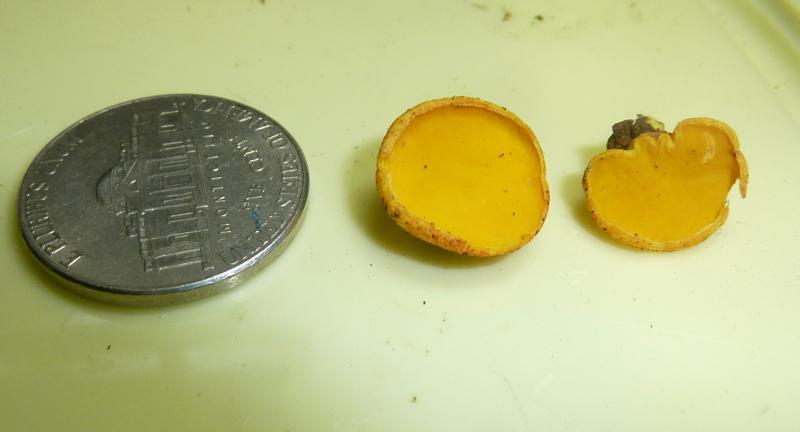
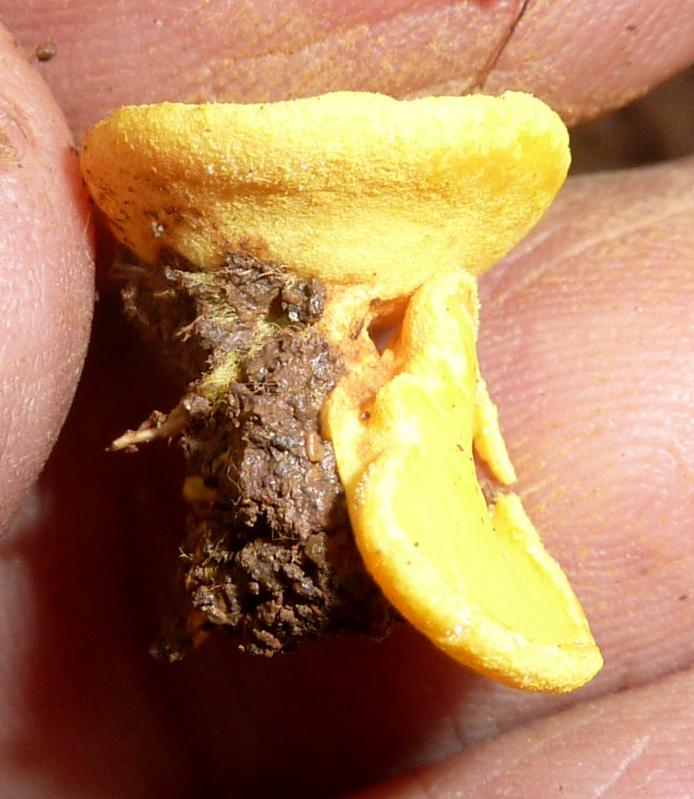
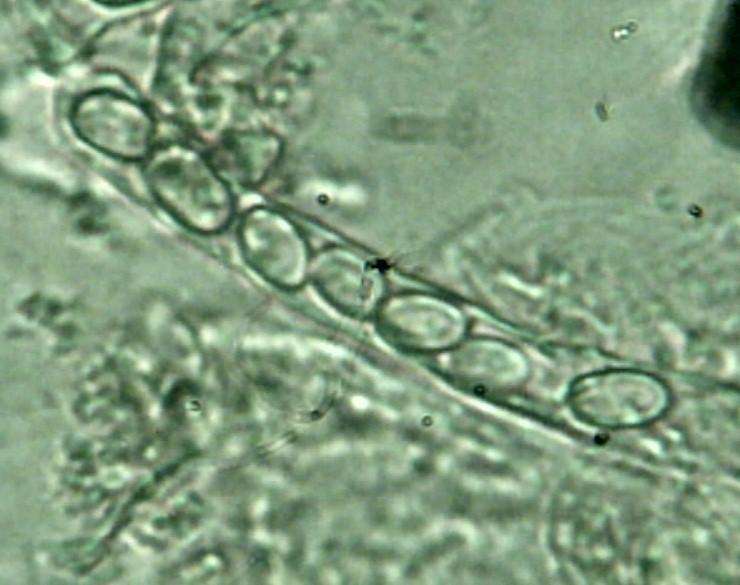
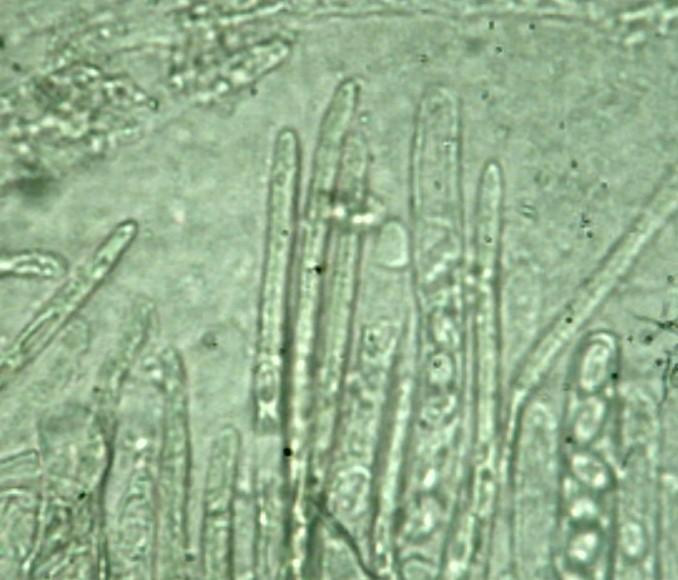
Hans-Otto Baral,
16-09-2012 21:57

Re : A terrestrial Yellow cup fungi from Panama
Sorry, but without spore measurements at least I cannot help. The only idea I have is Discinella terrestris. That species I know very well by microscopy, and it is confined to Eucalyptus.
Zotto
Zotto
Esquivel-Rios Eduardo,
16-09-2012 23:36
Re : A terrestrial Yellow cup fungi from Panama
Not associated to Eucalyptus, the spore measures are 8 - 10 x 5 - 6 microns
Carlo Agnello,
17-09-2012 05:37

Re : A terrestrial Yellow cup fungi from Panama
Maybe Acervus epispartius ?
Raúl Tena Lahoz,
17-09-2012 16:52

Re : A terrestrial Yellow cup fungi from Panama
I agree with Carlo, Acervus epispartius is a good option. Here you have an article from Rocabruna & Tabarés where you can see a pictura and a description of Acervus epispartius: http://publicacions.iec.cat/repository/pdf/00000156/00000081.pdf
But maybe a better option can be Acervus flavidus with spores closer to those you measured: 10,5-12,5 x 6-7,5 (fide Zhuang et al.: http://www.mycobank.org/BioloMICS.aspx?Table=Mycobank&Rec=234968&Fields=All).
Both species are described (as Phaedropezia) by Madame Le Gal in "Les Discomycetes de Madagascar".
Cheers,
Raúl
But maybe a better option can be Acervus flavidus with spores closer to those you measured: 10,5-12,5 x 6-7,5 (fide Zhuang et al.: http://www.mycobank.org/BioloMICS.aspx?Table=Mycobank&Rec=234968&Fields=All).
Both species are described (as Phaedropezia) by Madame Le Gal in "Les Discomycetes de Madagascar".
Cheers,
Raúl