
12-06-2026 14:50
 François Freléchoux
Bonjour, Voici la brève description d'une Mollis
10-06-2026 21:16
François Freléchoux
Bonsoir,Le dernier du jour, en attendant votre avi
11-06-2026 19:01
 William Slosse
Hello all,In an attempt to make a culture of a sus
11-06-2026 19:03
 Nicolas VAN VOOREN
Chers membres d'Ascofrance,Le site sera placé en

09-06-2026 18:32
Camille MertensSur morceau de roseau immergé 0,5 - 0,7 mm de dia
10-06-2026 12:54
Steve ClementsBonjour encore, Pouvez-vous m'aider, s'il vous pl
10-06-2026 21:07
François Freléchoux
Toutes les tiges de gentianes jaunes de l'an passÃ
10-06-2026 13:41
François Freléchoux
Bonjour à nouveau, Voici une trouvaille d'hier.
A Phylacia from Panama
Esquivel-Rios Eduardo,
03-09-2012 04:20
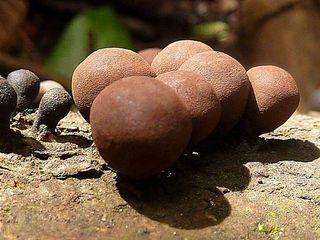
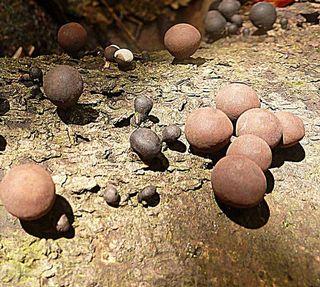
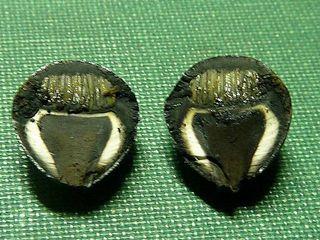
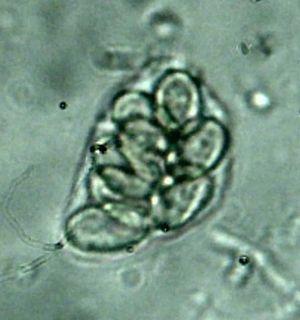
Did someone knows about Phylacia genera (Xylariales), a gasteroid ascomycete, this is posible a new specie from Panama.


Peter Welt,
03-09-2012 10:43

Re : A Phylacia from Panama
Have no idea of this genus, but a key is available here:
http://www.cybertruffle.org.uk/cyberliber/index.htm
Medel, R.; Rogers, J.D.; Guzman, G. (2006) - Phylacia mexicana sp.nov. and consideration of other species with emphasis on Mexico. Mycotaxon 97: 279-290.
Peter
http://www.cybertruffle.org.uk/cyberliber/index.htm
Medel, R.; Rogers, J.D.; Guzman, G. (2006) - Phylacia mexicana sp.nov. and consideration of other species with emphasis on Mexico. Mycotaxon 97: 279-290.
Peter
Jacques Fournier,
03-09-2012 15:04

Re : A Phylacia from Panama
Hi Eduardo,
nice find and nice photos, very informative. Externally the best match seems to be P. globosa, already known from Panama, but it would help to have also the spores dimensions. Better to record them on spores accumulating at the top of the stroma just beneath the crust because they are mature and pale brown, unlike the ones you recorded. The paper by Medel et al. is useful but unfortunately they did not record and use in their key the pigments released by the stroma in 10% KOH. They vary from shades of olivaceous to purplish and they are highly diagnostic. Just pick up a small chip of the external crust of mature stroma and put in in a drop of KOH, you should get a nice reaction within a minute.
Cheers,
Jacques
nice find and nice photos, very informative. Externally the best match seems to be P. globosa, already known from Panama, but it would help to have also the spores dimensions. Better to record them on spores accumulating at the top of the stroma just beneath the crust because they are mature and pale brown, unlike the ones you recorded. The paper by Medel et al. is useful but unfortunately they did not record and use in their key the pigments released by the stroma in 10% KOH. They vary from shades of olivaceous to purplish and they are highly diagnostic. Just pick up a small chip of the external crust of mature stroma and put in in a drop of KOH, you should get a nice reaction within a minute.
Cheers,
Jacques