
12-06-2026 14:50
 François Freléchoux
Bonjour, Voici la brève description d'une Mollis
10-06-2026 21:16
François Freléchoux
Bonsoir,Le dernier du jour, en attendant votre avi
11-06-2026 19:01
 William Slosse
Hello all,In an attempt to make a culture of a sus
11-06-2026 19:03
 Nicolas VAN VOOREN
Chers membres d'Ascofrance,Le site sera placé en

09-06-2026 18:32
Camille MertensSur morceau de roseau immergé 0,5 - 0,7 mm de dia
10-06-2026 12:54
Steve ClementsBonjour encore, Pouvez-vous m'aider, s'il vous pl
10-06-2026 21:07
François Freléchoux
Toutes les tiges de gentianes jaunes de l'an passÃ
10-06-2026 13:41
François Freléchoux
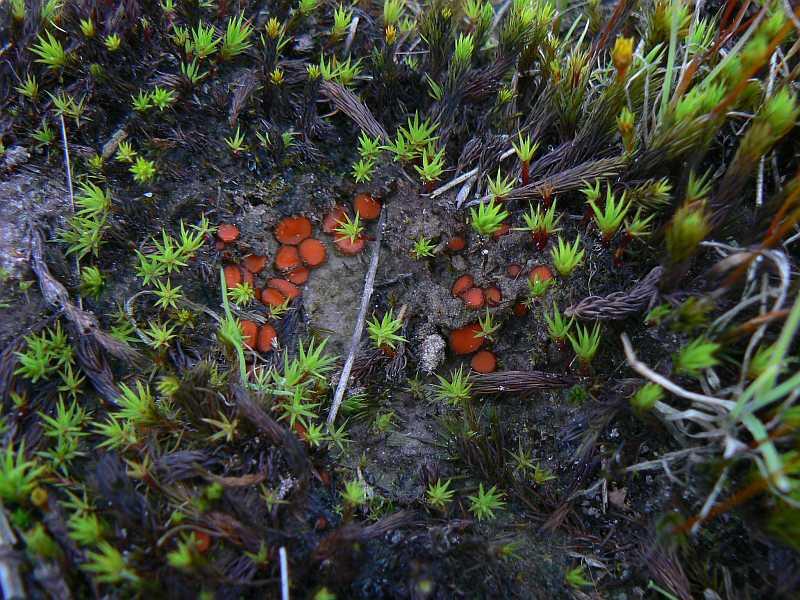
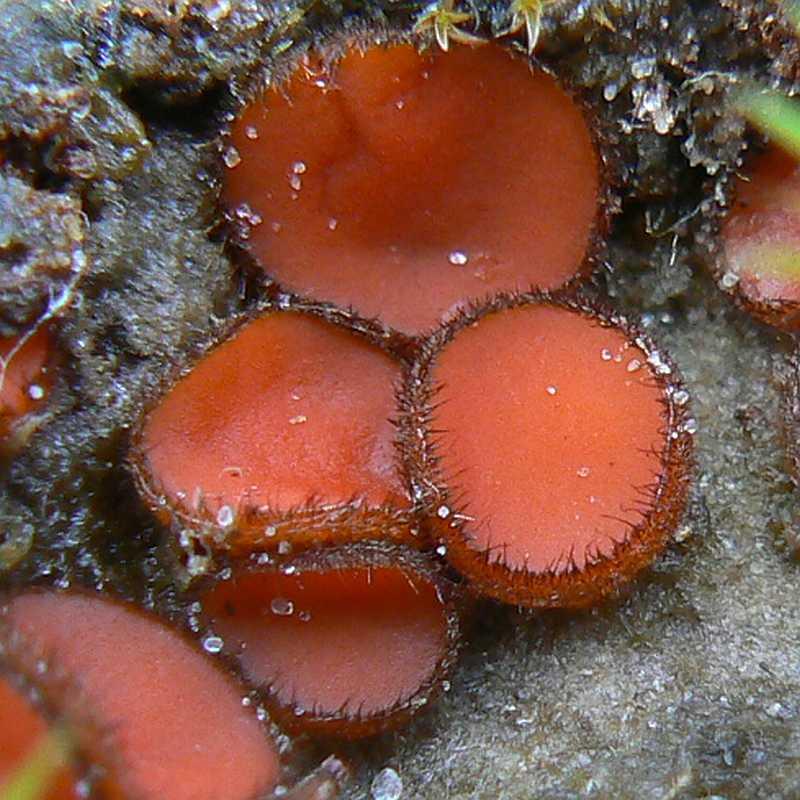
Bonjour à nouveau, Voici une trouvaille d'hier.

:-)
When making micropics, make sure to use Cotton Blue preparation, especially with mature ascospores. The apothecium whose sections readily ejected spores when observed in tap water with no pressure applied should be used for subsequent CB preparation so that you can be sure you are dealing with completely developed spores. It is critical for identification of an Scutellinia species. When making CB prep. make sure you also include finely sectioned margin. The contrasted marginal hairs would reveal also the structure of their bases - also crucial for identifying the species!
I will also send you an e-mail soon regarding our older issue!
Cheers,
Neven

Is it found in Netherlands ? Near sea ?
After your first microscopic research, is it possible to ask you a part of your collection ?
We'll look forward your microphotos.
Read you soon,
Beñat
Unfortunally i do not have CB yet, hopefully thursday. But i made micropictures anyway. The ascus is 275 long. SPores seem to be larger then mentioned, 22.5 * 12.5. The hairsbase is bifurcate
ps Neven i loke forward to youre mail!
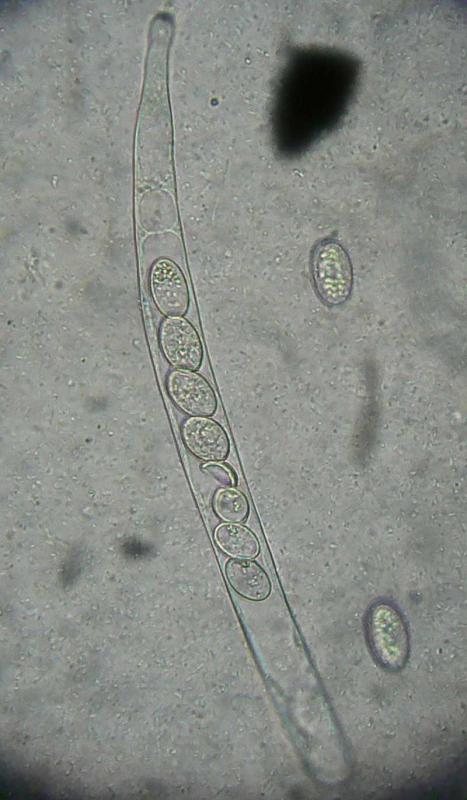
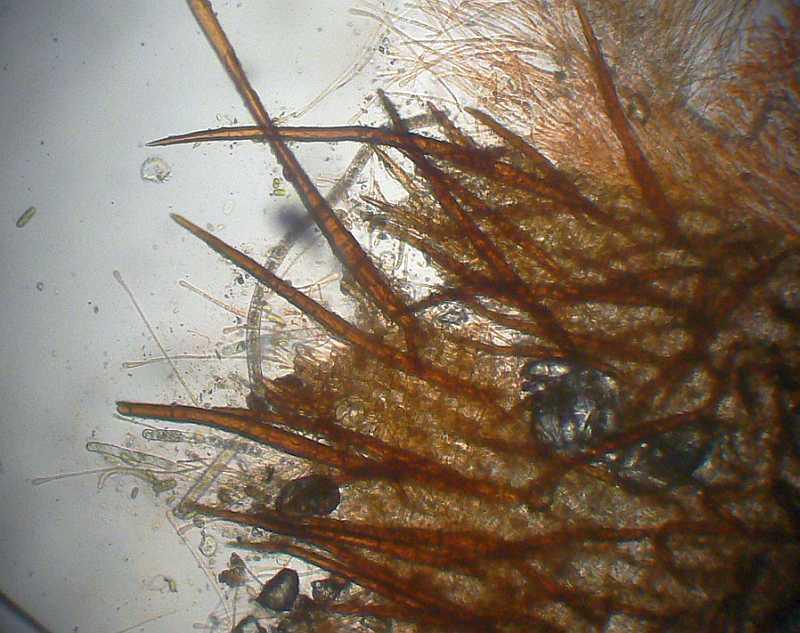
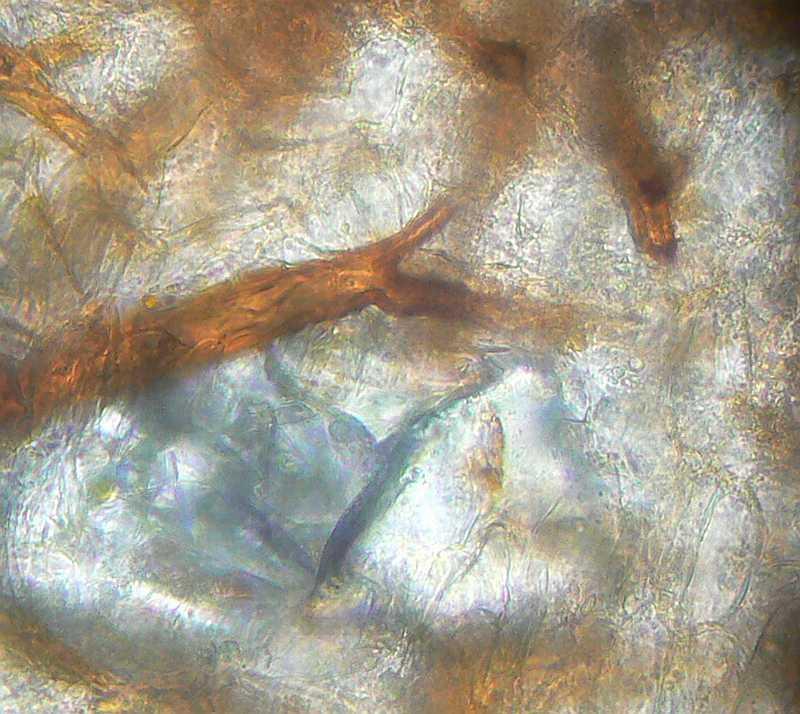
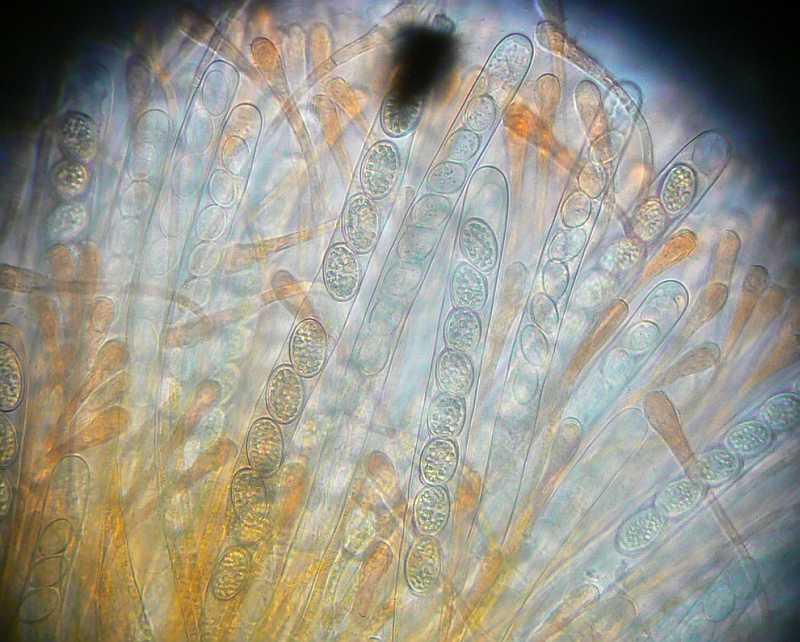
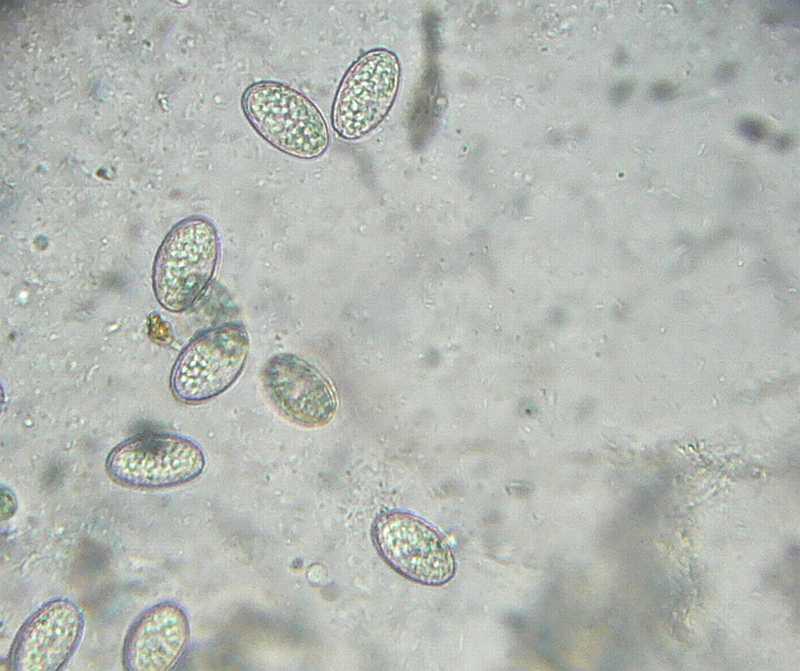
It's difficult to say anything just with this. Scutellinia is a difficult genus. It is important to have :
- sporal ornementation (in CB, like Neven said)
- hairs measures
- hairs base (here, we can see bifurcate but are you sure that all have bifurcated bases ?)
Your spores measurements can't help us because 20-22 x 12 are the most common measures in this genus...
Read you later,
Beñat