
04-08-2019 22:18
Juuso ÄikäsI found these growing on moose dung. The biggest a

04-08-2019 17:28
Stefan JakobssonHi, A hymenoscyphus growing on a twig of Alder on
03-08-2019 23:20
 Joop van der Lee
I noticed on Index Fungorum that the current name
03-08-2019 22:10
Juuso ÄikäsToday I stumbled on these on the bottom of a dried
02-08-2019 16:44
 Josep Torres
Hola a tod@s.Unos ascomicetos fotografiados el pas
02-08-2019 22:45
Juuso ÄikäsI found these on a piece of a fallen branch of a d
02-08-2019 06:26
 Stephen Martin Mifsud
Do you confirm Erysiphe and then perhaps we can
02-08-2019 06:07
Stephen Martin Mifsud
Hello, I dont know if you can help me with the ide
Fracchiae
Eduard Osieck,
06-08-2019 20:56
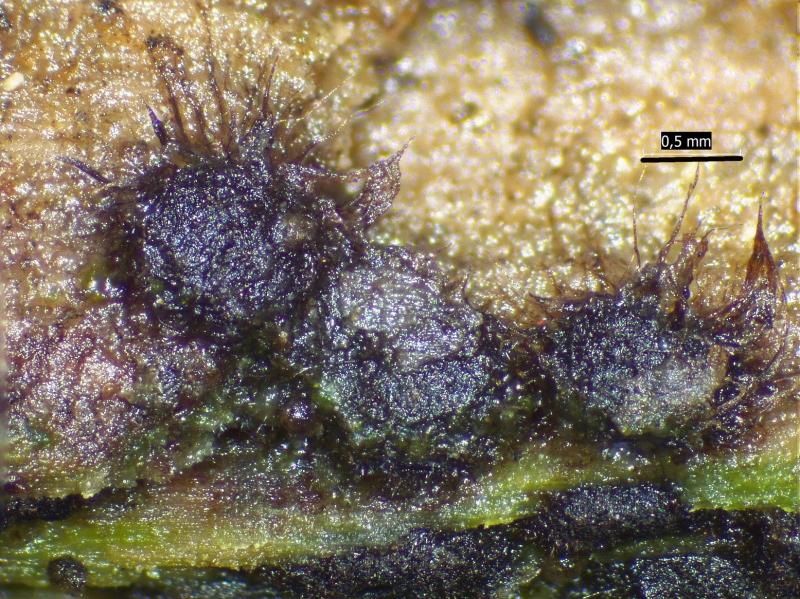
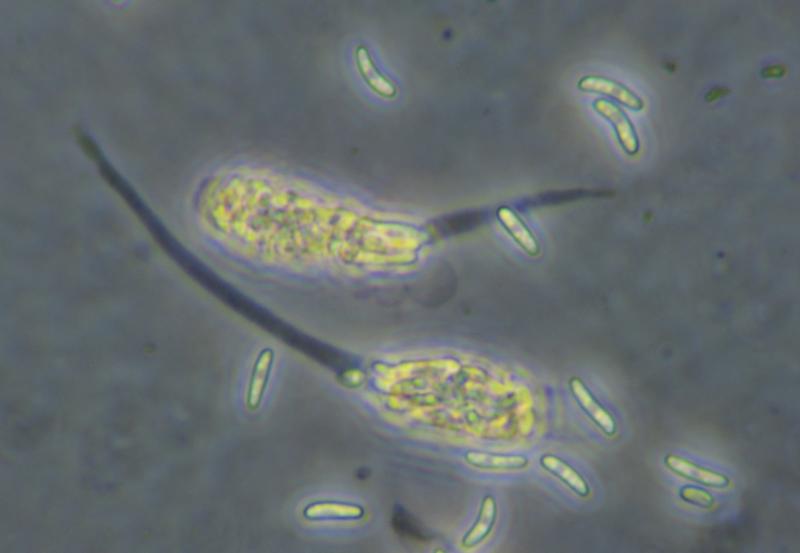
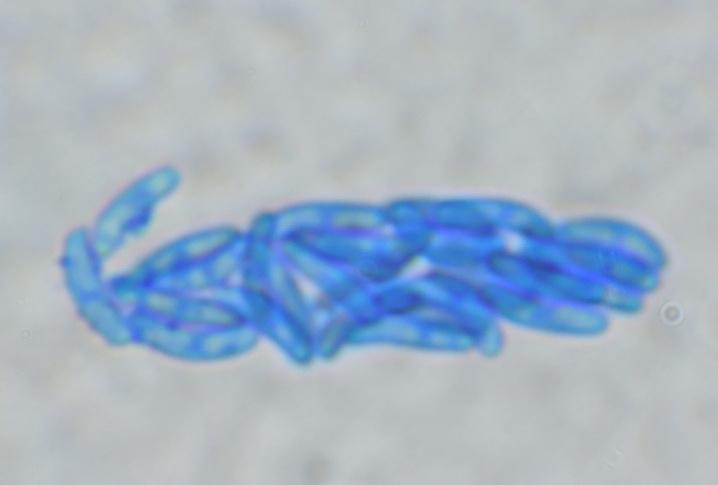
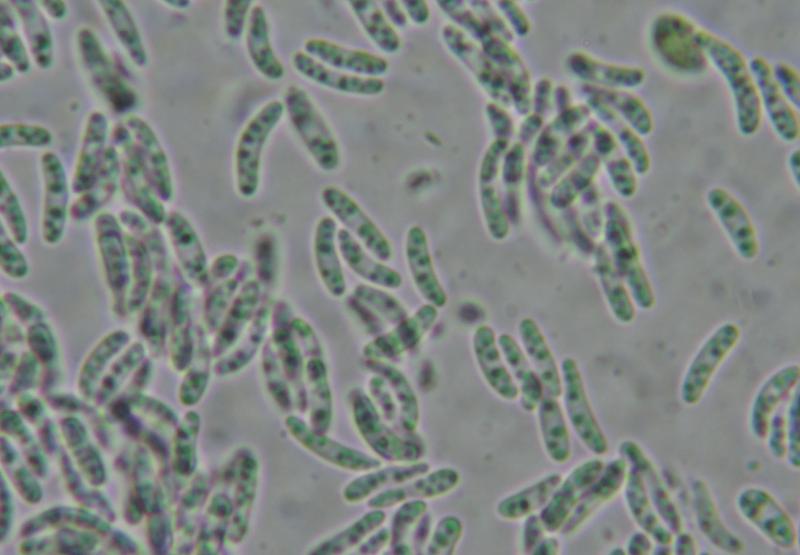
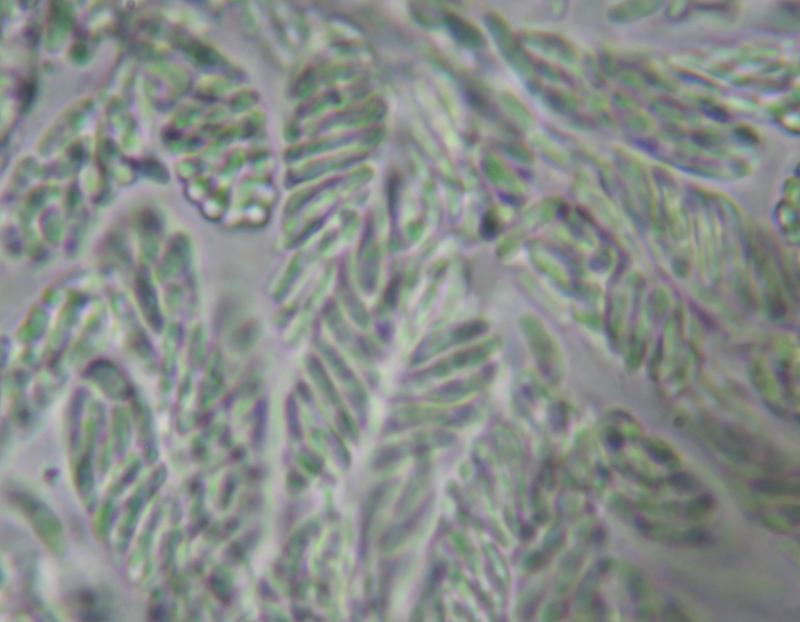
The genus is fairly easy to determine: Fracchiae of which Fr. broomeana is most well known. The latter species has far more spores per ascus (200+) so has to be excluded. A world key or recent monograph does not exist but a compilation of all available descriptions showed that Fr. pulchella (Sacc.) Lar. N. Vassiljeva is presumably the best match. This species is also known as Acanthonitschkea pulchella Nannfeldt. Features of this species are 32 spores/ ascus, spore length 6-12 um, and long setae (Nannfeldt 1975). The only problem is that it appears only to be known from tropical regions (Africa, Asia).
Are there any records of this or of similar looking species known in Europe?
Any help would be appreciated, Eduard
Thomas Læssøe,
07-08-2019 10:16
Re : Fracchiae
you forgot to give a locality for your material :-)
Eduard Osieck,
07-08-2019 10:54
Re : Fracchiae
Oh yes, that is not obvious from my query:
The collection was made in Houten (Utrecht) in the centre of the Netherlands.
Eduard
The collection was made in Houten (Utrecht) in the centre of the Netherlands.
Eduard